








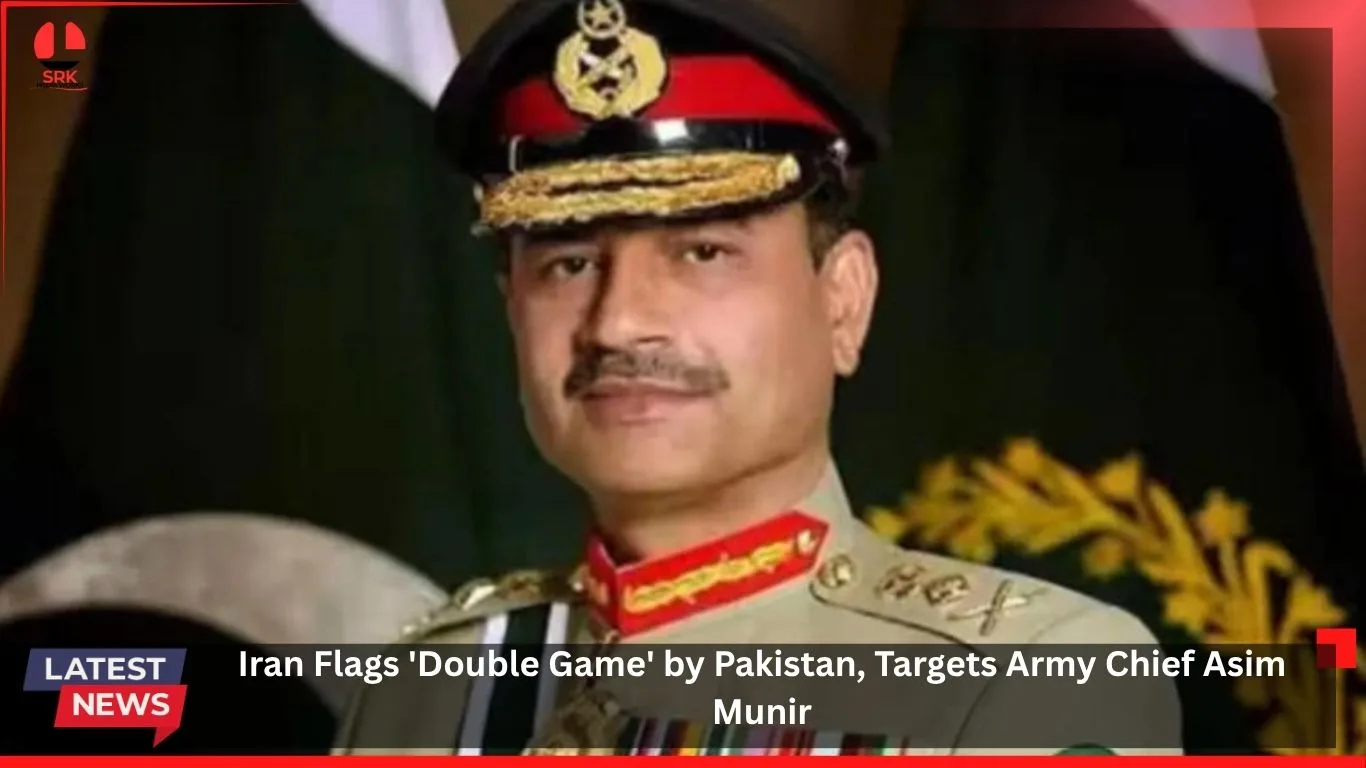
Iran has sharply criticized Pakistan, accusing its neighbor of playing a “double game” in regional security matters and directly targeting Pakistan’s Army Chief, General Asim Munir. The remarks come amid escalating tensions between the two countries over border security, militant activity, and geopolitical alignments in West Asia.
Key Highlights
- Iran’s Accusation: Tehran claims Pakistan is pursuing contradictory policies in regional security.
- Targeting Asim Munir: Iran’s criticism focused on Pakistan’s army chief, accusing him of failing to curb militant threats.
- Border Tensions: Recent clashes along the Iran-Pakistan border have heightened mistrust.
- Geopolitical Context: Iran views Pakistan’s ties with Western allies and Gulf states as conflicting with regional stability.
Background of the Tensions
Iran and Pakistan share a long border, often troubled by militant activity. Both nations have conducted cross-border operations against insurgent groups, but accusations of harboring militants have strained relations.
| Issue | Iran’s Position | Pakistan’s Position |
|---|---|---|
| Border Militants | Pakistan not doing enough | Iran’s operations destabilizing |
| Regional Alliances | Pakistan aligned with Gulf & West | Iran aligned with regional resistance groups |
| Security Strategy | Calls for cooperation | Emphasis on sovereignty |
Iran’s Criticism of Asim Munir
Iranian officials singled out General Asim Munir, alleging that under his leadership Pakistan has failed to address militant threats effectively. Tehran accused him of prioritizing external alliances over regional cooperation.
- Leadership Concerns: Iran claims Munir’s policies undermine trust.
- Security Failures: Alleged inability to prevent militant infiltration.
- Diplomatic Fallout: Direct criticism of a serving army chief is rare and signals deep frustration.
Pakistan’s Response
Pakistan has rejected Iran’s accusations, emphasizing its commitment to border security and regional stability. Officials argue that Pakistan has conducted multiple operations against insurgents and continues to coordinate with Iran.
| Pakistan’s Argument | Details |
|---|---|
| Security Operations | Multiple anti-militant drives along border |
| Diplomatic Efforts | Calls for dialogue and cooperation |
| Sovereignty | Rejects external interference in internal security |
Geopolitical Implications
The dispute reflects broader regional dynamics:
- Iran’s Position: Aligns with resistance groups and challenges Western influence.
- Pakistan’s Position: Balances ties with Gulf allies, China, and the West.
- Regional Security: Tensions complicate efforts to stabilize Afghanistan and curb militant networks.
Expert Opinions
Analysts believe Iran’s direct targeting of Asim Munir is unusual and signals a breakdown in trust. The accusations of a “double game” highlight the difficulty of balancing alliances while managing border security.
Conclusion
Iran’s accusation of Pakistan playing a “double game” and its criticism of Army Chief Asim Munir mark a significant escalation in bilateral tensions. With border security, militant activity, and geopolitical alignments at stake, both nations face pressure to resolve disputes through dialogue to prevent further destabilization in the region.
Disclaimer
This article is a journalistic analysis based on public statements and geopolitical developments. It does not constitute endorsement of any position or official confirmation of military or diplomatic actions. Readers are encouraged to follow verified government and institutional updates for accurate information.