








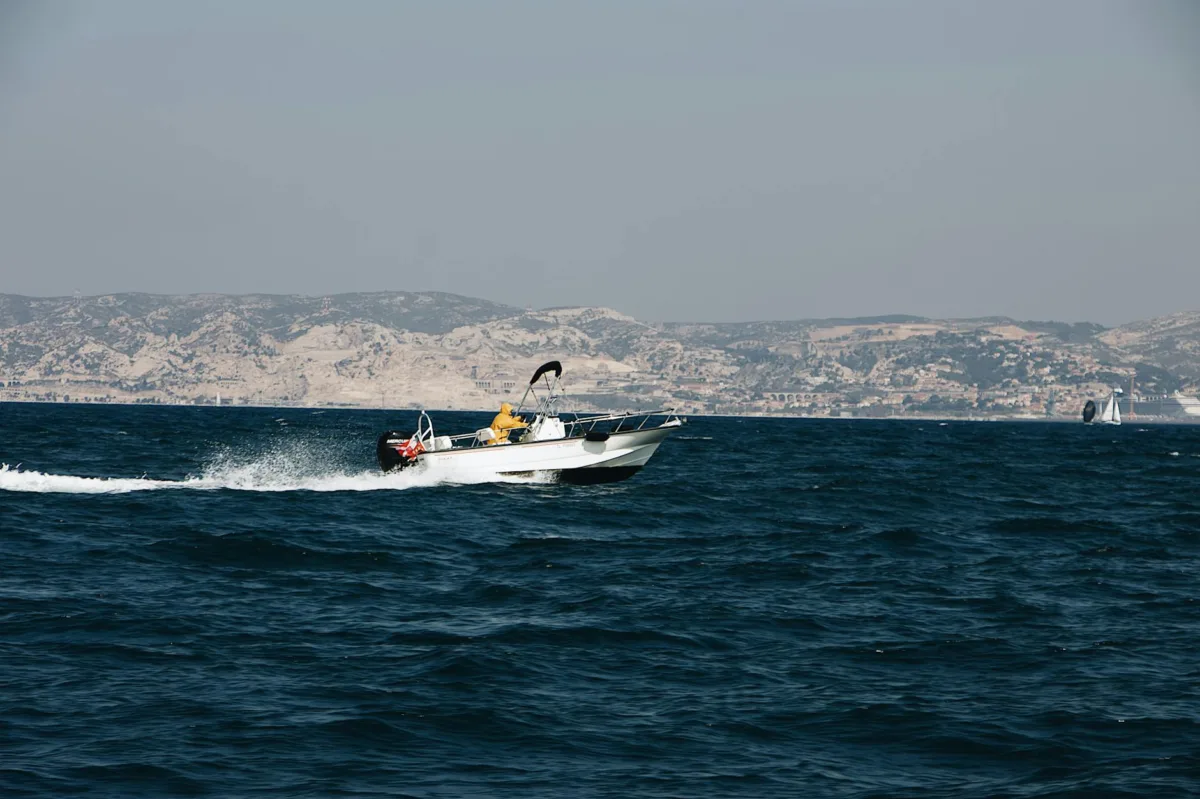
As the summer boating season kicks off across the United States, recreational vessel owners are recalibrating their travel plans in response to persistent volatility in fuel prices. While motorists and airline travelers have dominated recent economic headlines, the maritime sector is facing a parallel squeeze, forcing boaters to choose between shorter trips, reduced speed, or staying closer to home to mitigate rising operational costs.
The Economic Context of Marine Fuel
Boating fuel consumption differs significantly from passenger vehicles, as marine engines often operate under higher loads and, in the case of powerboats, consume fuel at a much faster rate per hour. According to the National Marine Manufacturers Association (NMMA), the recreational boating industry contributes over $230 billion annually to the U.S. economy, yet it remains highly sensitive to fluctuations in the energy market.
Historically, fuel costs represent one of the largest variable expenses for boat owners, often accounting for 20% to 30% of a typical season’s budget. With national average prices for gasoline and diesel remaining elevated compared to pre-pandemic levels, many owners are finding that the cost of a single weekend excursion has increased substantially.
Shifting Consumer Behaviors
Data from recent industry surveys suggests that boaters are adopting a more analytical approach to their time on the water. Rather than undertaking long-distance cruises, a significant portion of the boating community is opting for “dock and dine” excursions or anchoring in local coves to minimize engine run time.
“We are seeing a clear trend toward fuel-conscious navigation,” says an industry analyst. “Boaters are increasingly utilizing apps that track fuel consumption and choosing destinations that require less transit time from the marina. The priority has shifted from covering distance to maximizing time spent at the destination.”
Maintenance professionals also report an uptick in requests for engine tune-ups and hull cleanings, as owners seek to improve fuel efficiency through better mechanical performance. A clean hull reduces drag, which can lead to measurable savings during long trips, providing a practical solution for those unwilling to shorten their itineraries.
Industry and Expert Perspectives
The Recreational Boating & Fishing Foundation (RBFF) notes that while costs are a concern, the psychological value of boating remains high. Many families view boating as an essential respite, leading some to trade up for more fuel-efficient vessels or hybrid-propulsion systems, though such transitions are capital-intensive.
Economic indicators suggest that the current price environment is forcing a normalization in the market. During the pandemic, the industry saw unprecedented growth in new vessel sales, but as interest rates and fuel costs rise, the market is pivoting toward a more sustainable, if more cautious, pace of activity.
Future Implications for the Boating Sector
Looking ahead, the industry is watching for potential shifts in marina infrastructure, specifically regarding the availability of high-efficiency fuel and electric charging stations. As sustainability becomes a core concern, manufacturers are under increased pressure to innovate, with more electric and hybrid models entering the market each year.
Market observers will be monitoring consumer sentiment throughout the peak of July and August to determine if these cost-saving measures dampen overall industry participation. If fuel prices remain at their current plateau, the long-term trend may favor smaller, more efficient trailerable boats over larger, fuel-hungry cruisers, potentially reshaping the inventory strategies of major boat dealerships for the coming years.