







Negligence Leads to Tragic Loss
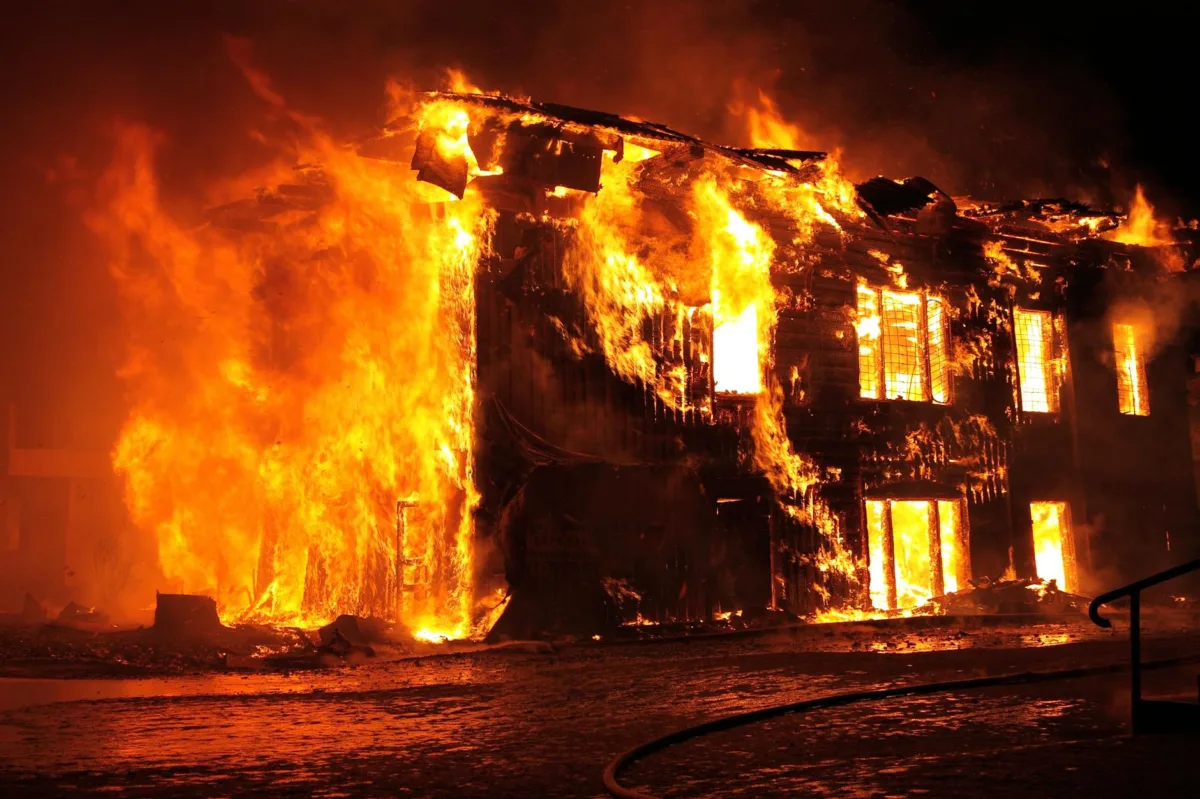
Delhi police have arrested a hotel cook following a comprehensive investigation into a devastating fire in the national capital that claimed the lives of 21 individuals. Authorities identified the cook’s negligence as the primary catalyst for the blaze, leading to his immediate detention and subsequent remand into two-day police custody.
The incident has triggered a broader investigation into the hotel’s operations, with owner Lavkesh Bajaj now under scrutiny for alleged international human trafficking. Reports indicate that Bajaj reportedly permitted foreign nationals, specifically from Bangladesh, to reside in the premises for financial gain, further complicating the legal fallout of the tragedy.
A Pattern of Urban Peril
This incident is not an isolated event but rather a grim indicator of a systemic issue within Delhi’s infrastructure. Data from the last six years reveals that over 500 people have lost their lives in fire-related accidents across the city, highlighting a persistent failure in urban safety management.
Critics argue that the frequency of these disasters points to profound regulatory failures. Experts suggest that the absence of rigorous engineering oversight and the circumvention of building codes are transforming aging urban structures into potential death traps for residents and guests alike.
Investigations and Regulatory Gaps
The investigation into the cook’s actions focuses on specific lapses in fire safety protocols during his shift. While the arrest addresses immediate culpability, legal experts emphasize that the focus must also shift toward the owners who prioritize profit over mandatory fire safety installations and structural compliance.
The case involving human trafficking adds a layer of complexity to the administrative failure. If these allegations are proven, it suggests that the hotel was operating outside the purview of standard hospitality regulations, effectively bypassing municipal inspections that might have identified fire hazards earlier.
The Broader Implications
For the hospitality industry, this tragedy serves as a wake-up call regarding the enforcement of building safety standards. Industry analysts suggest that municipal authorities will likely face increased pressure to conduct city-wide audits of commercial properties that have been operating without updated no-objection certificates from fire departments.
Looking ahead, the case will likely lead to stricter legislative requirements for hotel licensing in dense urban zones. Observers should watch for upcoming policy shifts regarding the mandatory installation of advanced fire suppression systems and the potential implementation of harsher criminal penalties for business owners who bypass building safety mandates. The efficacy of the city’s fire safety enforcement will remain a critical metric for urban governance in the coming months.