







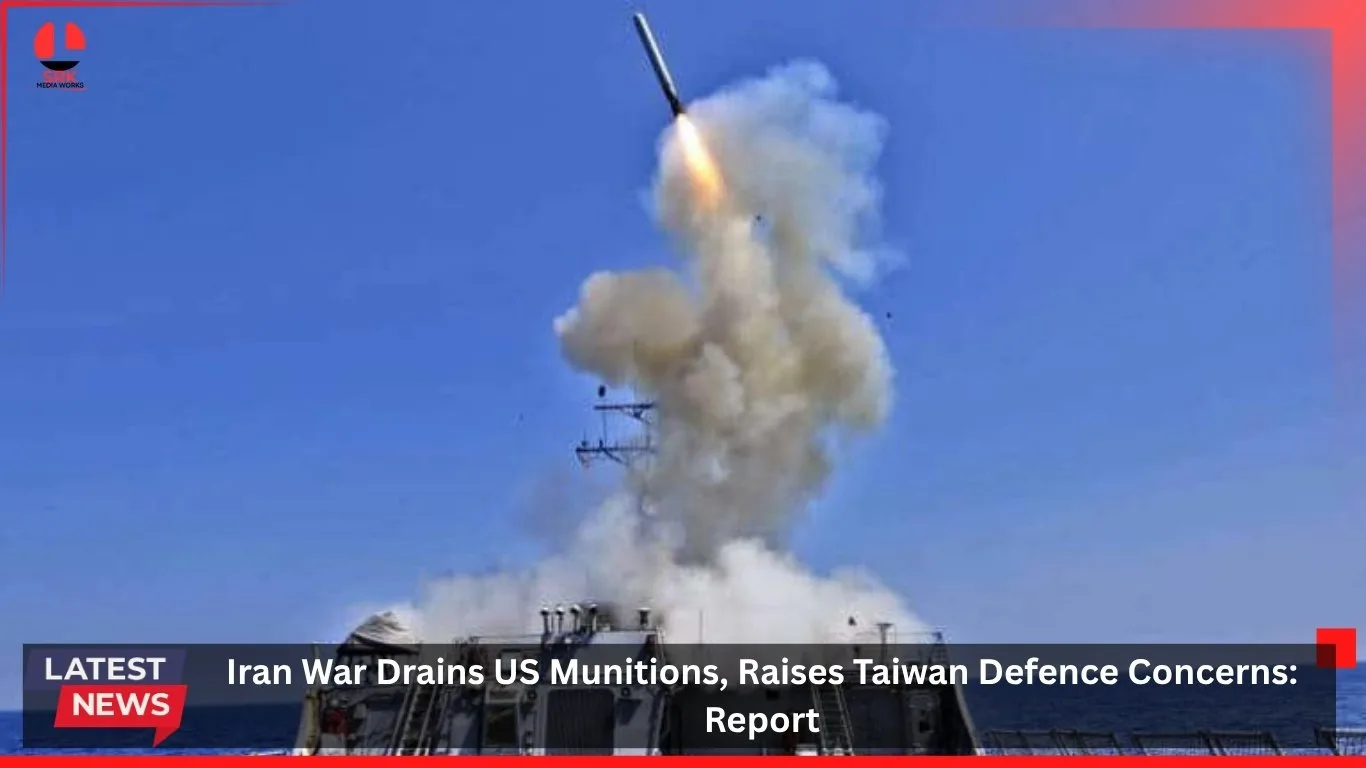
The ongoing conflict involving Iran has placed significant strain on US military resources, particularly its stockpile of munitions. A recent report highlights that the heavy usage of precision-guided weapons and missile defense systems in the Middle East is raising concerns about America’s ability to respond effectively to potential threats in the Indo-Pacific, especially regarding Taiwan’s defense against China.
Key Findings from the Report
- Munition Shortages: US forces have expended large quantities of advanced missiles and interceptors in the Iran conflict.
- Taiwan Concerns: Analysts warn that depleted stockpiles could weaken deterrence against China in the Taiwan Strait.
- Industrial Pressure: US defense manufacturers face challenges in replenishing supplies quickly enough.
- Strategic Dilemma: Balancing commitments in the Middle East while preparing for contingencies in Asia is becoming increasingly difficult.
US Munition Usage in Iran Conflict
| Weapon System | Usage in Iran Conflict | Current Stockpile Status |
|---|---|---|
| Patriot Missiles | High | Depleted in several bases |
| Javelin Anti-Tank | Moderate | Reduced availability |
| HIMARS Rockets | Significant | Production lagging |
| Naval Interceptors | High | Shortages reported |
| Precision-Guided Bombs | Extensive | Supply chain strained |
The table shows how multiple systems have been heavily deployed, leaving gaps in readiness for other theaters.
Implications for Taiwan
Taiwan’s defense strategy relies heavily on US support, including advanced missile systems and naval deterrence. With US stockpiles under pressure, questions arise about how quickly Washington could respond to a crisis in the Taiwan Strait.
- Reduced Deterrence: China may perceive weakened US readiness as an opportunity.
- Delayed Resupply: Taiwan could face delays in receiving critical weapons.
- Strategic Risk: US commitments in multiple regions stretch resources thin.
Expert Opinions
- Military Analysts: “The US faces a two-front challenge—supporting allies in the Middle East while ensuring deterrence in Asia.”
- Policy Experts: “Munition shortages highlight the need for increased production capacity and diversified supply chains.”
- Regional Observers: “Taiwan’s security depends on US credibility, which could be undermined if shortages persist.”
Industrial and Supply Chain Challenges
The US defense industry is struggling to keep pace with demand:
- Production Bottlenecks: Limited capacity to produce advanced missile systems quickly.
- Supply Chain Issues: Dependence on rare materials and complex components.
- Budget Constraints: Rising costs of replenishment strain defense budgets.
Historical Context
| Conflict | US Munition Usage | Impact on Readiness |
|---|---|---|
| Gulf War (1991) | High | Temporary shortages |
| Iraq War (2003) | Extensive | Long-term strain |
| Ukraine Support | Significant | Stockpile depletion |
| Iran Conflict | Heavy | Indo-Pacific concerns |
This comparison shows that prolonged conflicts often drain US resources, affecting readiness in other regions.
Strategic Options for the US
- Increase Production: Expand defense manufacturing capacity.
- Allied Support: Encourage allies to share defense burdens.
- Stockpile Management: Prioritize critical systems for Indo-Pacific readiness.
- Diplomatic Engagement: Reduce reliance on military solutions through stronger diplomacy.
Conclusion
The Iran conflict has exposed vulnerabilities in US military preparedness, with munitions depletion raising serious concerns about Taiwan’s defense. As Washington grapples with balancing commitments across regions, the report underscores the urgent need for industrial expansion, strategic prioritization, and diplomatic foresight to maintain global stability.
Disclaimer
This article is based on publicly available reports and expert analysis regarding US munition usage in the Iran conflict and its implications for Taiwan’s defense. It is intended for informational purposes only and does not represent official statements from the US government or defense agencies. Readers should follow official updates for verified information.