









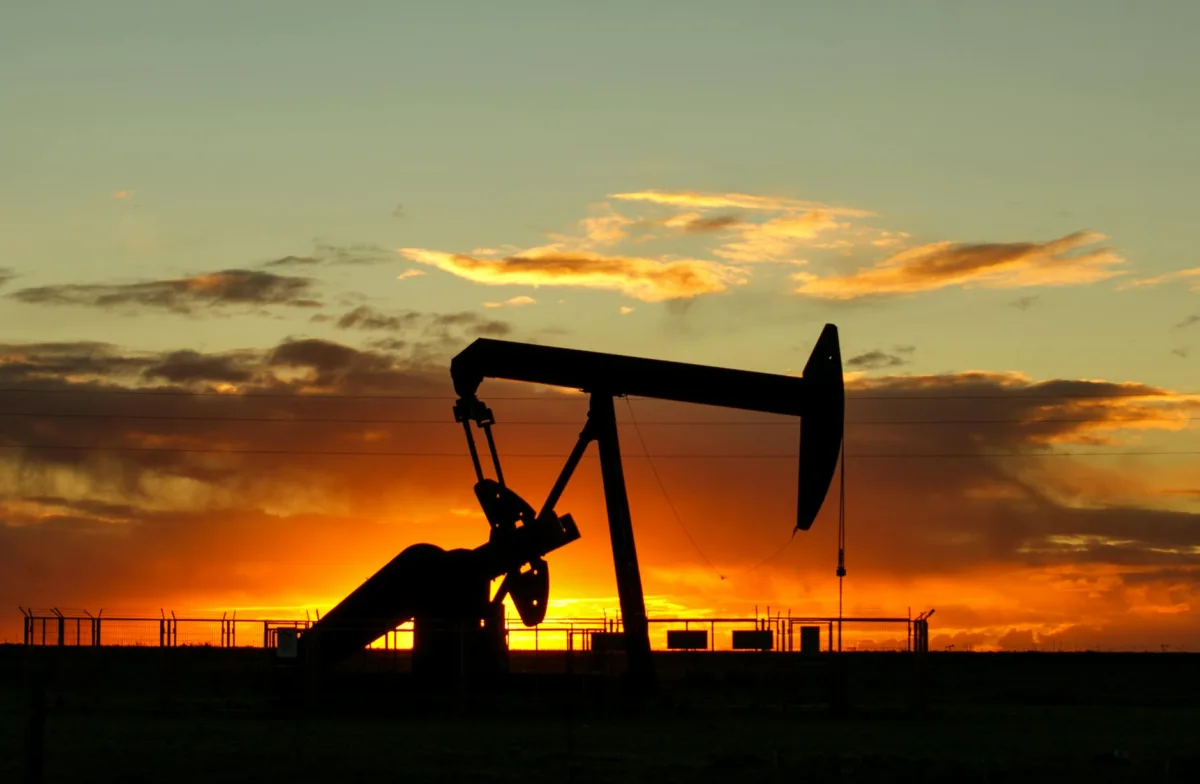
Former Interior Secretary Deb Haaland secured the Democratic nomination for governor of New Mexico on Tuesday, setting the stage for a high-stakes general election as the state grapples with a record-breaking financial windfall driven by an unprecedented oil boom in the Permian Basin.
The Backdrop of the Permian Surge
New Mexico has experienced a seismic shift in its fiscal landscape over the last four years, largely due to intensified extraction efforts in the southeastern portion of the state. The surge in crude oil production has generated billions in state revenue, providing lawmakers with unprecedented budget surpluses.
This influx of capital has transformed the state’s legislative priorities, moving the conversation from austerity to investment. However, the reliance on fossil fuel revenue creates a complex paradox for a state administration simultaneously aiming to meet aggressive climate goals.
Political Stakes and Economic Realities
The nomination of Haaland, a former cabinet official with significant national political experience, signals a clear focus on federal-state cooperation. Her campaign has consistently highlighted the need to leverage current revenues to diversify the state’s economy beyond oil and gas extraction.
Economic analysts point out that while the boom has filled state coffers, it has also widened the gap between the prosperous energy-producing regions and the more rural, economically stagnant parts of New Mexico. Addressing this regional disparity will likely be a central theme of the upcoming gubernatorial debates.
Expert Perspectives on Fiscal Sustainability
Data from the New Mexico Legislative Finance Committee indicates that oil and gas production currently accounts for over one-third of the state’s general fund. Economists warn that this heavy dependence leaves the state vulnerable to the inherent volatility of global energy markets.