




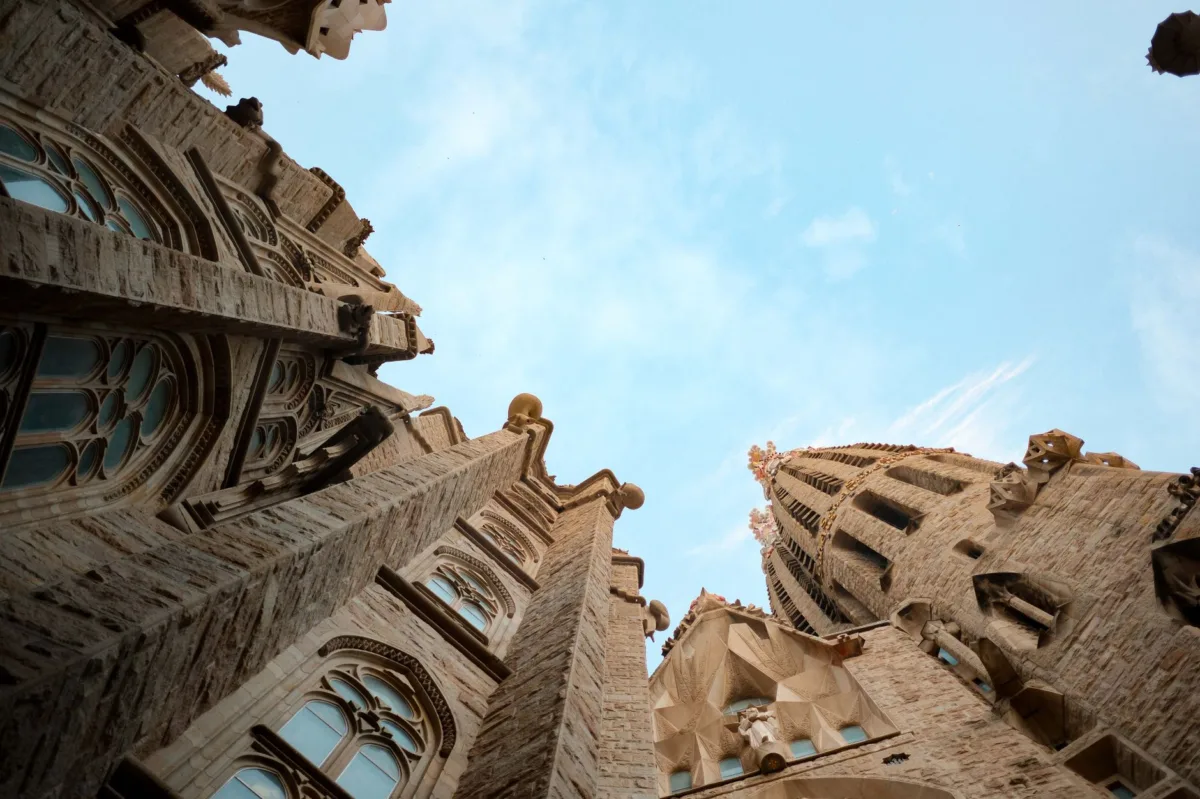
Barcelona’s iconic Sagrada Família, the unfinished masterpiece by Antoni Gaudí, is entering its final construction phase this week as the city prepares for a high-profile visit from the Pope. While the milestone marks the culmination of over 140 years of labor, the event has reignited intense debates regarding the impact of mass tourism on the local residents of the Eixample district.
A Legacy Centuries in the Making
Construction on the basilica began in 1882, with Gaudí taking over the project a year later and dedicating the remainder of his life to its intricate design. The structure has become a symbol of Catalan identity and a UNESCO World Heritage site, drawing millions of visitors annually to marvel at its soaring spires and unique organic architecture.
For decades, the project relied solely on private donations and ticket sales, a funding model that necessitated a constant influx of tourists. As the project nears its projected completion date, the reliance on visitor revenue has transformed from a necessity into a point of contention for those living in its shadow.
The Weight of Overtourism
The surge in tourism surrounding the Sagrada Família has led to significant friction between local authorities and residents. Neighborhood associations argue that the relentless stream of visitors has displaced long-term tenants, driven up rental costs, and eroded the daily quality of life in the surrounding streets.
Data from the Barcelona City Council indicates that the area surrounding the basilica experiences one of the highest densities of tourist foot traffic in Europe. Recent protests have seen residents displaying banners reading “The neighborhood is not a theme park,” highlighting a growing sentiment that the city’s architectural treasures are being prioritized over the needs of its citizens.
Balancing Preservation and Progress
Urban planners and sociologists suggest that the situation in Barcelona reflects a broader trend seen in historic European cities like Venice and Amsterdam. Maintaining a site that attracts millions of people requires substantial investment in infrastructure, which often clashes with the preservation of residential character.
“The challenge is not the monument itself, but the management of the space around it,” says urban analyst Dr. Elena Rossi. “When a landmark generates significant economic value, the city must ensure that the surrounding community benefits rather than suffers from that success.”
Looking Toward the Future
As the final stages of the basilica’s spires rise, the focus of local government will inevitably shift toward regulating the tourist experience. Future developments will likely involve stricter limitations on short-term rentals and new transit management strategies designed to disperse crowds away from residential corridors.
The coming months will serve as a litmus test for Barcelona’s ability to reconcile its status as a global tourist hub with its duty to protect the urban fabric of its historic neighborhoods. Observers will be watching whether the city can implement sustainable tourism policies that offer a blueprint for other historic centers facing similar pressures.