





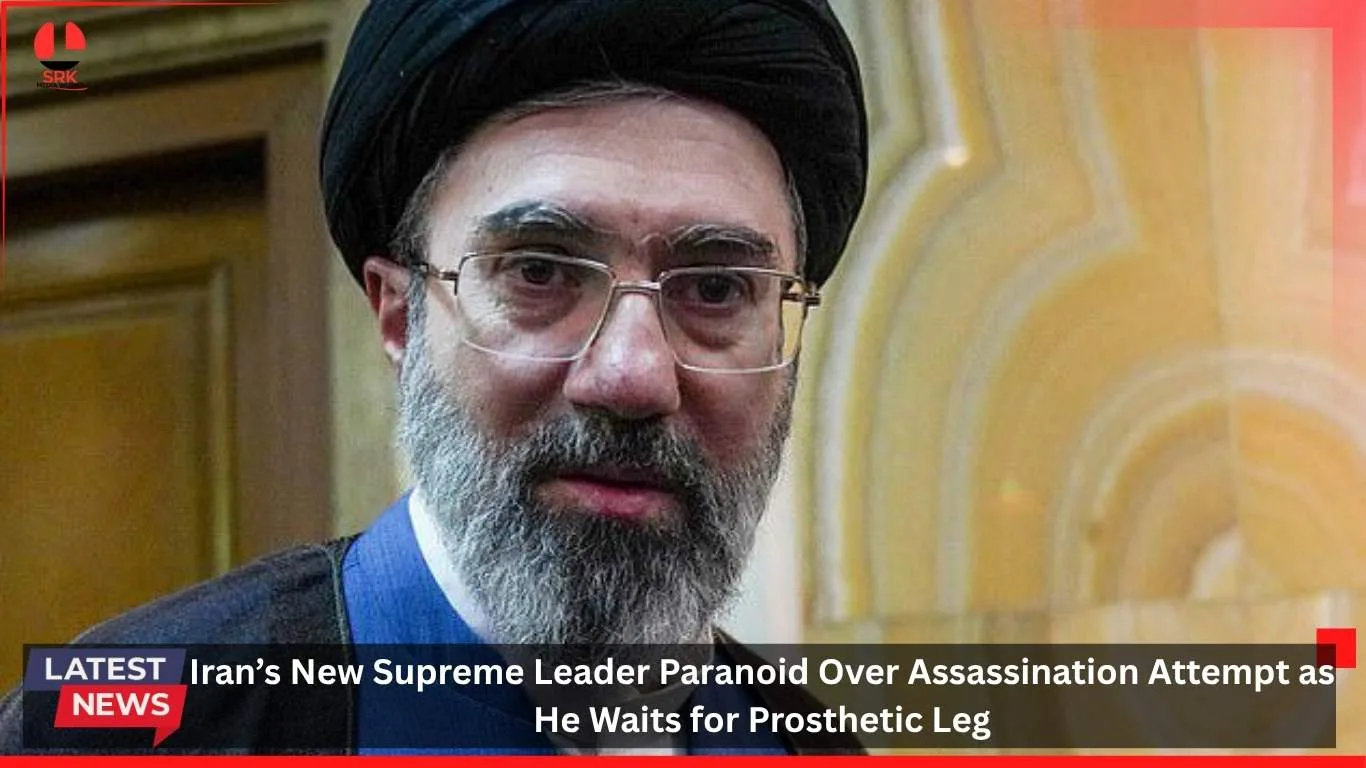
Reports from Tehran suggest that Iran’s newly appointed Supreme Leader is increasingly paranoid about potential assassination attempts while recovering from a serious injury that left him awaiting a prosthetic leg. The situation has sparked speculation about internal security concerns, political stability, and the broader implications for Iran’s leadership structure.
Security Concerns
Iranian officials have reportedly tightened security around the Supreme Leader, citing fears of targeted attacks.
- Heightened Protection: Security forces have increased surveillance and restricted access to the leader.
- Paranoia Reports: Sources claim the leader is deeply concerned about assassination plots.
- Political Sensitivity: The injury and recovery period have raised questions about succession and governance.
Medical Recovery
The Supreme Leader is currently undergoing treatment and rehabilitation while awaiting a prosthetic leg.
| Aspect | Details |
|---|---|
| Injury | Severe leg damage requiring amputation |
| Current Status | Rehabilitation and medical monitoring |
| Prosthetic Leg | Awaiting fitting and adaptation |
| Recovery Timeline | Expected to take several months |
The medical condition has added to the perception of vulnerability, fueling speculation about internal rivalries.
Internal Political Dynamics
Reports of paranoia highlight potential divisions within Iran’s leadership:
- Factional Tensions: Hardliners and moderates may be positioning themselves during the recovery period.
- Succession Concerns: Questions arise about continuity of leadership if health issues persist.
- Public Perception: Citizens are closely watching developments, with mixed reactions ranging from sympathy to skepticism.
Regional Implications
Iran’s leadership challenges could have ripple effects across the Middle East:
- Foreign Policy: Potential shifts in Iran’s approach to negotiations and alliances.
- Security Strategy: Increased focus on internal stability may affect regional operations.
- Diplomatic Relations: International observers are monitoring closely for signs of instability.
Historical Context of Leadership Health Issues
| Leader | Country | Health Issue | Impact |
|---|---|---|---|
| Ayatollah Khomeini | Iran | Heart problems | Continued leadership until death |
| Hugo Chávez | Venezuela | Cancer | Political instability |
| Kim Jong-un | North Korea | Health rumors | Speculation about succession |
| Current Supreme Leader | Iran | Prosthetic leg recovery | Heightened security concerns |
This table shows that health issues among leaders often trigger speculation about succession and stability.
Expert Opinions
- Political Analysts: “Paranoia over assassination attempts reflects both genuine threats and internal rivalries.”
- Security Experts: “Heightened protection measures suggest Iran is taking the risk seriously.”
- Diplomatic Observers: “Leadership health issues can reshape foreign policy priorities.”
Public Sentiment
Reactions within Iran vary:
- Supportive Voices: Some express sympathy for the leader’s health struggles.
- Critical Views: Others see paranoia as a sign of weakness.
- Neutral Observers: Many await official statements for clarity.
Conclusion
Iran’s new Supreme Leader faces a challenging period marked by health recovery and heightened fears of assassination. While officials deny instability, the combination of medical vulnerability and political paranoia underscores the fragility of leadership in a volatile region. The coming months will be crucial in determining whether Iran can maintain stability and project strength both domestically and internationally.
Disclaimer
This article is based on publicly available reports and commentary regarding Iran’s new Supreme Leader, his health condition, and related security concerns. It is intended for informational purposes only and does not represent official statements from the Iranian government or other authorities. Readers should rely on official sources for verified updates.