







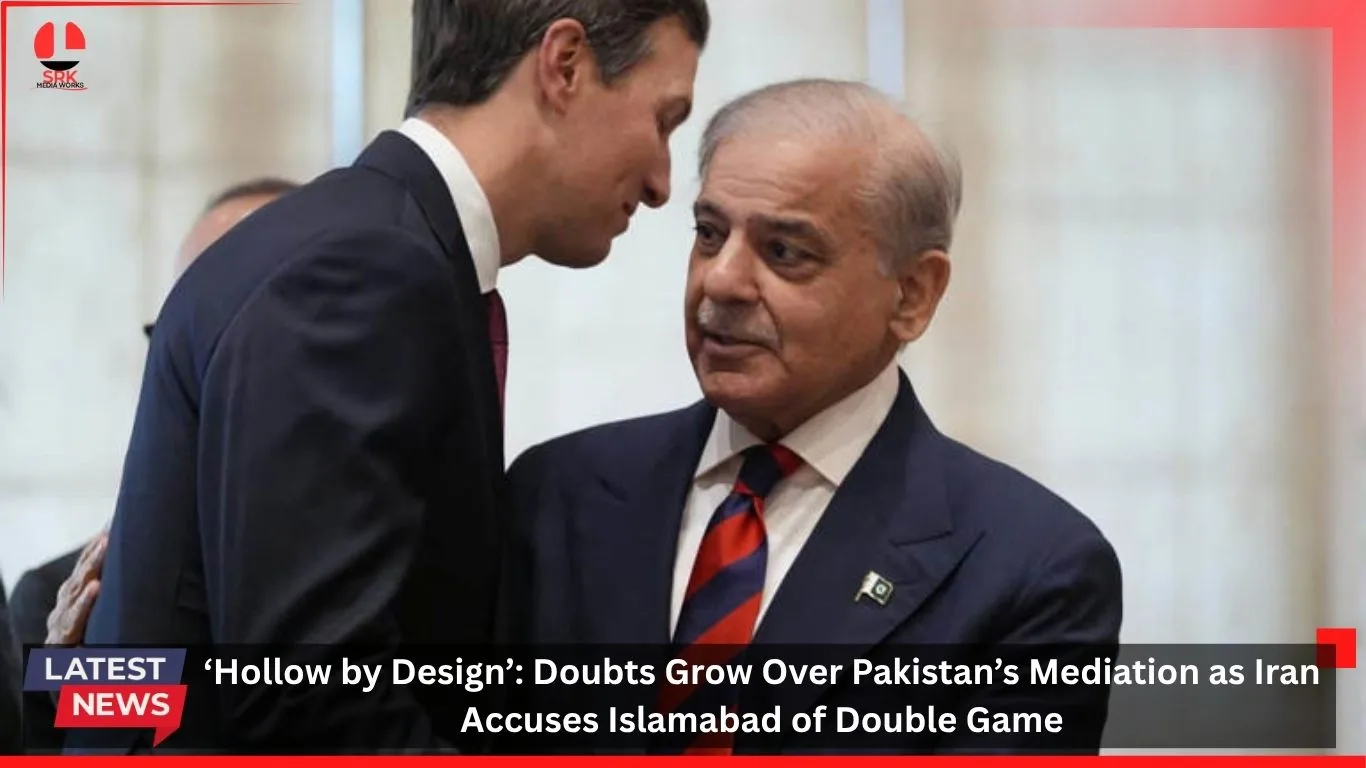
Iran has openly criticized Pakistan’s mediation efforts in the ongoing regional tensions, accusing Islamabad of playing a “double game.” The accusations have cast serious doubt on Pakistan’s credibility as a neutral mediator, with analysts suggesting that its role may be “hollow by design.”
Iran’s Accusations
Iranian officials have alleged that Pakistan is attempting to balance ties with both Tehran and rival powers, while failing to demonstrate genuine neutrality.
- Double Game Claim: Iran accuses Pakistan of siding with external actors while presenting itself as a mediator.
- Distrust: Tehran believes Islamabad’s mediation lacks sincerity.
- Strategic Concerns: Iran fears Pakistan’s actions could undermine regional stability.
Pakistan’s Mediation Role
Pakistan has historically positioned itself as a mediator in regional conflicts, leveraging its geographic and political ties.
| Mediation Attempt | Outcome | Criticism |
|---|---|---|
| Iran-Saudi Talks | Limited progress | Accused of bias |
| Afghanistan Peace | Partial success | Seen as self-serving |
| Current Iran Issue | Ongoing | Alleged double game |
This table highlights Pakistan’s mixed record in mediation, often criticized for prioritizing its own strategic interests.
Regional Reactions
- Iran: Strongly skeptical of Pakistan’s intentions.
- Saudi Arabia: Observes Pakistan’s role cautiously, given its own tensions with Iran.
- International Community: Concerned that mistrust could derail peace efforts.
Expert Opinions
- Political Analysts: “Pakistan’s mediation appears designed to serve its own geopolitical interests.”
- Diplomatic Observers: “Iran’s accusations reflect deep-rooted mistrust that could hinder dialogue.”
- Security Experts: “Without credibility, Pakistan’s mediation risks being ineffective.”
Historical Context of Pakistan’s Mediation
| Year | Conflict | Pakistan’s Role | Outcome |
|---|---|---|---|
| 1980s | Iran-Iraq War | Limited mediation | No impact |
| 2000s | Afghanistan peace talks | Facilitator | Partial success |
| 2020s | Iran-Saudi tensions | Mediator | Limited progress |
| 2026 | Iran accusations | Mediator under fire | Credibility questioned |
This pattern shows that Pakistan’s mediation efforts often face skepticism and limited success.
Strategic Implications
Iran’s accusations could have broader consequences:
- Diplomatic Isolation: Pakistan risks losing credibility as a mediator.
- Regional Instability: Distrust may escalate tensions.
- Global Perception: International actors may question Pakistan’s reliability.
Conclusion
Iran’s accusations that Pakistan’s mediation is “hollow by design” highlight the fragility of regional diplomacy. With Islamabad accused of playing a double game, doubts grow over its ability to act as a credible mediator. The incident underscores the need for genuine neutrality and trust in conflict resolution, without which peace efforts risk collapse.
Disclaimer
This article is based on publicly available information and commentary regarding Iran’s accusations against Pakistan’s mediation role. It is intended for informational purposes only and does not represent official statements from governments or international organizations. Readers should rely on official sources for verified updates.