









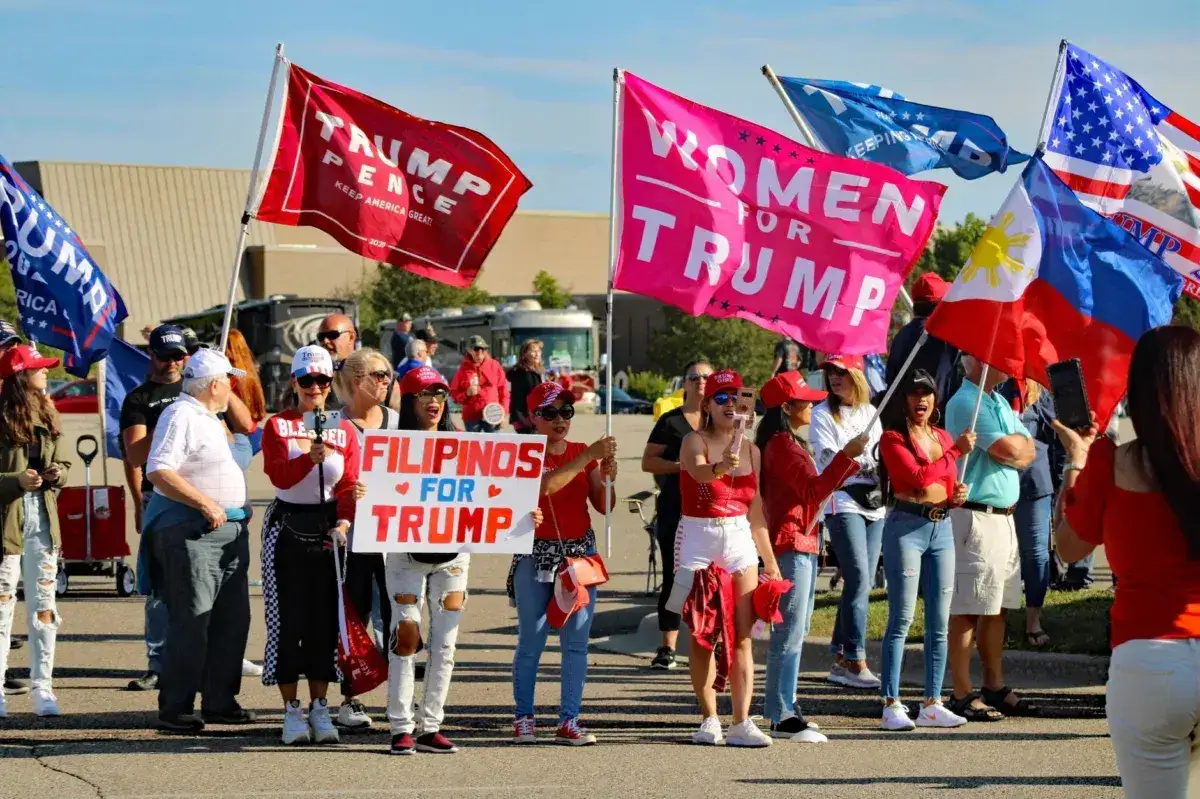
A growing segment of young conservative women, who were instrumental in the 2024 Republican coalition, is expressing rising disillusionment with the Trump administration as the midterm election cycle approaches. Influential voices within the movement, including popular digital creators and grassroots leaders, warn that a lack of progress on key economic and cultural promises could lead to a significant decline in turnout among this critical voting bloc.
The Context of the Conservative Gender Divide
The Republican Party saw a notable shift in 2024, with young women’s support for Donald Trump rising from 33 percent in 2020 to 40 percent. This demographic shift was largely fueled by a shared focus on traditional values, opposition to “woke” culture, and an emphasis on “faith, family, and freedom.” However, as the administration navigates its second term, the honeymoon period appears to be cooling for many who prioritized immediate economic relief and policy shifts.
Points of Friction and Internal Divisions
Central to the current tension is a perceived gap between campaign rhetoric and governing results. Influencers like Savanna Faith Stone and podcaster Alex Clark highlight that while many women remain ideologically aligned with conservative principles, they feel the administration has failed to deliver on core promises such as lowering gas prices, reducing the cost of living, and curbing foreign intervention. This friction has created a splintering effect, where some figures now distinguish between “MAGA” politics and a broader “America First” ideology.
The movement is not a monolith, however. Diverse factions exist within the right, ranging from the Turning Point USA-aligned influencers who advocate for traditional gender roles to more urban-based, lifestyle-focused conservatives. These groups often disagree on messaging tactics, with some criticizing the “cringe” nature of certain online factions and others pushing for a more nuanced approach to reaching women outside the traditional conservative bubble.
Expert Perspectives and Political Implications
The alarm bells are ringing in Washington, where GOP officials acknowledge the risk of voter apathy. Representative Kat Cammack, co-chair of the Republican Women’s Caucus, emphasized that the party must be “laser-focused” on affordability to maintain the trust of female voters. Meanwhile, Arkansas Governor Sarah Huckabee Sanders noted that the party has historically struggled with messaging to women, who prioritize safe neighborhoods and family stability.
Data suggests that if these concerns remain unaddressed, the potential for women to sit out the upcoming midterms poses a genuine threat to Republican electoral prospects. While the White House maintains that it is executing the “most pro-woman agenda in American history,” including efforts to expand the child tax credit and improve the rental market, the disconnect between administration messaging and the daily lived experiences of young women remains palpable.
Future Outlook
Looking ahead, the longevity of the current conservative movement among young women will likely depend on the party’s ability to bridge the widening gap between the “MAGA” brand and the specific economic demands of its base. Observers are watching to see if the administration can pivot back to its core “America First” messaging or if a new, more independent faction of female leadership will emerge to redefine the movement’s direction beyond the 2028 election cycle.