







The Strategic Choke Point
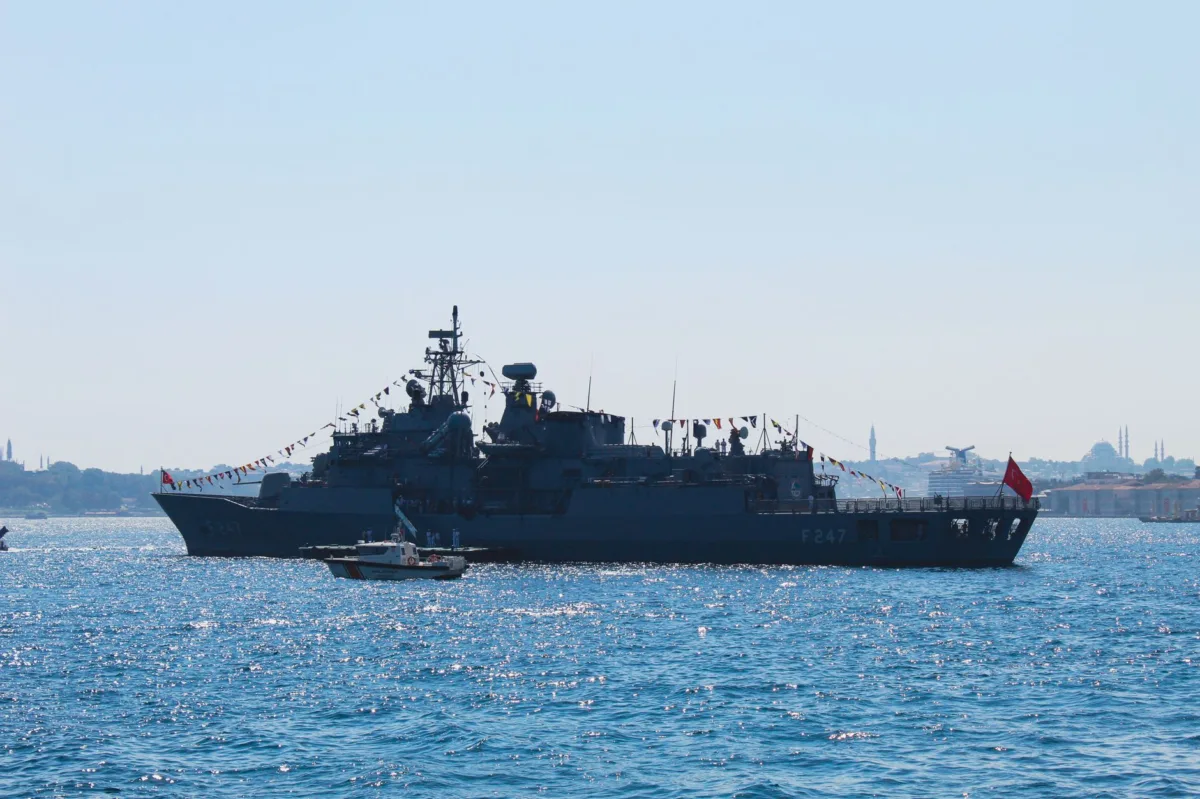
The recent intensification of tensions in the Strait of Hormuz has highlighted a critical vulnerability in the global economy, as Iranian maritime maneuvers threaten the flow of approximately 20% of the world’s total oil consumption. As of this month, the persistent standoff between Tehran and Western powers has transformed this narrow waterway into a geopolitical flashpoint, forcing global markets to confront their over-reliance on a single, highly volatile maritime passage.
Understanding the Global Lifeline
The Strait of Hormuz serves as the primary conduit for crude oil exports from Saudi Arabia, Iraq, the United Arab Emirates, and Kuwait. Measuring only 21 miles wide at its narrowest point, the transit lane is essential for maintaining global energy price stability. Historically, this region has functioned as a fragile artery for international commerce, and any disruption carries immediate consequences for global inflation and energy security.
Economic Ripples and Supply Chain Volatility
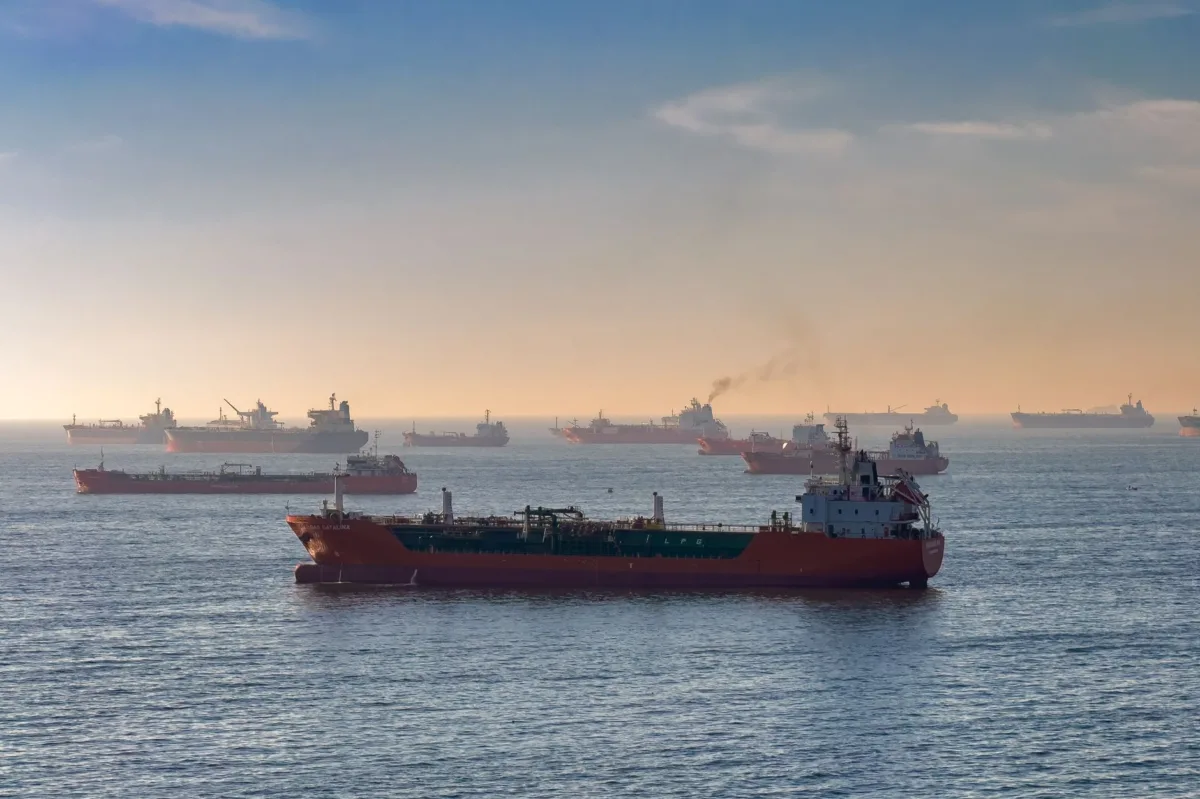
The current crisis has triggered a sharp rise in insurance premiums for commercial tankers operating in the Persian Gulf. Shipping companies are now forced to navigate increased operational costs, which are ultimately passed down to consumers through higher fuel and energy prices. This volatility complicates the efforts of central banks globally to manage inflation, as supply chain disruptions remain a persistent threat to economic recovery.
Expert Analysis on Maritime Security
Energy analysts note that the vulnerability of the strait is not a new phenomenon, but rather a structural flaw that has been overlooked during periods of relative stability. “The concentration of such vital resources through a singular, defensible point creates an asymmetric power dynamic,” explains Dr. Aris Thorne, a senior fellow at the Global Energy Institute. Data from the U.S. Energy Information Administration confirms that an average of 21 million barrels of oil per day passed through the strait in recent years, underscoring the lack of viable, high-capacity alternatives.
Industry Adaptation and Long-Term Strategies
In response to the mounting pressure, regional powers are accelerating investments in pipeline infrastructure to bypass the strait entirely. Projects such as the expansion of the East-West Pipeline in Saudi Arabia aim to divert oil exports to Red Sea terminals, theoretically reducing the dependency on the narrow transit channel. However, these infrastructure projects require multi-year timelines and billions of dollars in capital expenditure, providing no immediate relief for current market instability.
Future Implications for Global Trade
The ongoing crisis serves as a stark reminder that the globalization of energy markets has not eliminated regional geopolitical risks. Looking ahead, stakeholders should monitor the pace of infrastructure diversification and the potential for increased naval presence in the region to deter further escalations. As nations seek to fortify their energy supply chains, the strategic importance of maritime security will likely remain a central pillar of international policy for the foreseeable future.