








Strategic Shifts in the Middle East
As international negotiators continue to navigate the complexities of Iran’s nuclear program, geopolitical analysts are increasingly warning that a flawed or insufficient diplomatic agreement could trigger a regional nuclear arms race. This concern centers on the potential for key U.S. allies in the Middle East to pursue their own atomic capabilities if they perceive that existing security guarantees are failing to contain Tehran’s advancements.
The debate surrounding a potential nuclear deal has intensified following reports of increased uranium enrichment activity within Iran. Regional powers, particularly those in the Gulf Cooperation Council, have signaled that a deal lacking stringent verification measures or long-term constraints may force them to reassess their own defense postures.
Context of the Nuclear Standoff
The Joint Comprehensive Plan of Action (JCPOA), originally signed in 2015, was designed to limit Iran’s nuclear program in exchange for sanctions relief. Following the U.S. withdrawal from the agreement in 2018, the framework has faced significant instability, leading to a breakdown in transparency and oversight by the International Atomic Energy Agency (IAEA).
Current diplomatic efforts seek to restore a balance that prevents nuclear proliferation while addressing regional security concerns. However, the lack of a unified front between global powers and regional stakeholders has complicated the path toward a durable resolution.
The Security Dilemma
Analysts point to the Strait of Hormuz as a critical focal point for regional stability. As a vital artery for global energy supplies, any escalation in military posturing could have immediate impacts on the world economy and regional security.
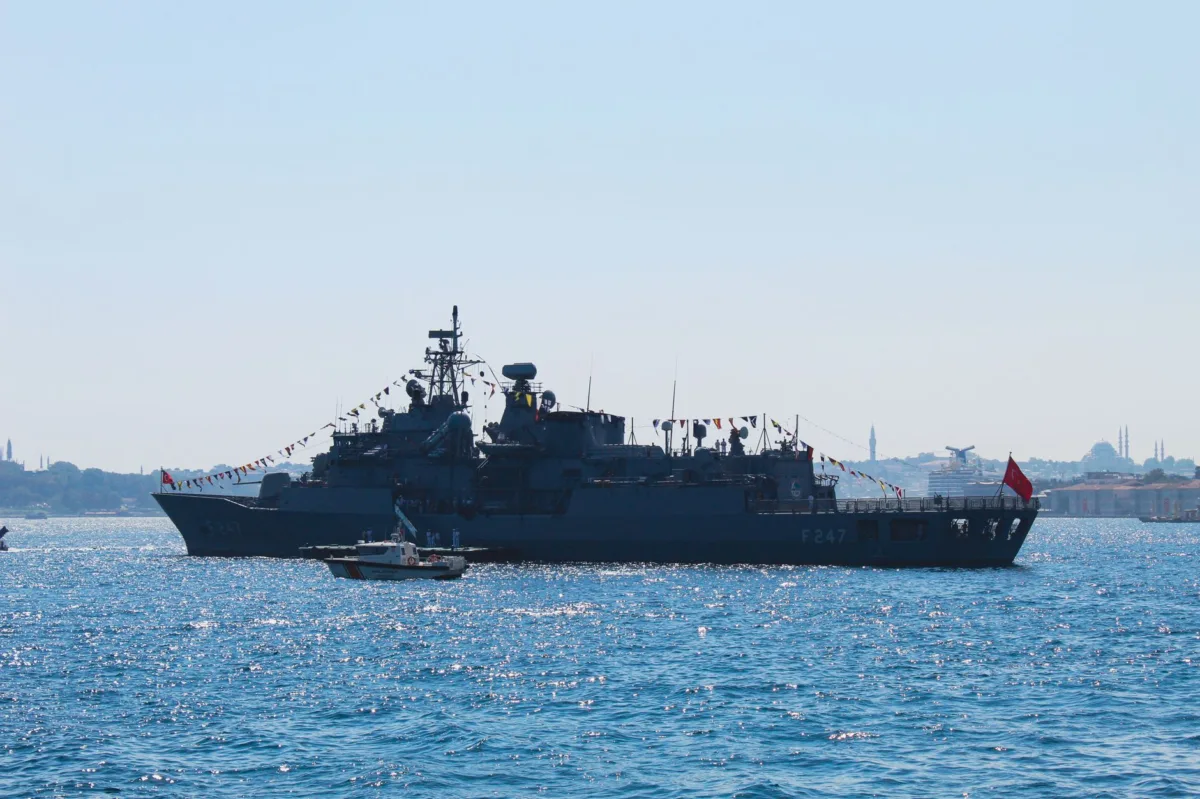
Some experts argue that the United States must move beyond diplomatic discourse to reassure its partners. This approach would involve maintaining a robust naval presence in the Strait of Hormuz to ensure freedom of navigation and signaling a credible readiness to deploy force if regional security architecture is fundamentally compromised.
Expert Perspectives on Proliferation
According to recent reports from the Carnegie Endowment for International Peace, the perception of a weakening U.S. security umbrella is a primary driver of proliferation concerns. When allies believe that their primary security guarantor is disengaging, they are statistically more likely to seek independent strategic deterrence.
Data from the Federation of American Scientists suggests that the technical threshold for nuclear weapons development is narrowing for several non-nuclear states in the region. Should Iran cross the threshold into weaponization, the risk of a cascade effect—where multiple nations seek parity—increases significantly.
Implications for Global Stability
For the energy sector, the instability surrounding a potential nuclear deal means continued volatility in oil and gas markets. Investors are closely monitoring the security of maritime routes and the potential for sanctions-related disruptions to supply chains.
For the defense industry, the uncertainty is driving an uptick in regional procurement of advanced missile defense systems and surveillance technology. Nations are prioritizing self-reliance as they hedge against the possibility that international negotiations may fail to provide long-term containment of nuclear threats.
Moving forward, the international community will be watching for the outcome of upcoming IAEA inspections and any shifts in U.S. defense posture in the Gulf. The success or failure of these diplomatic channels will likely dictate the regional security environment for the next decade, with the potential for either a new era of arms control or a rapid expansion of nuclear-capable states.