







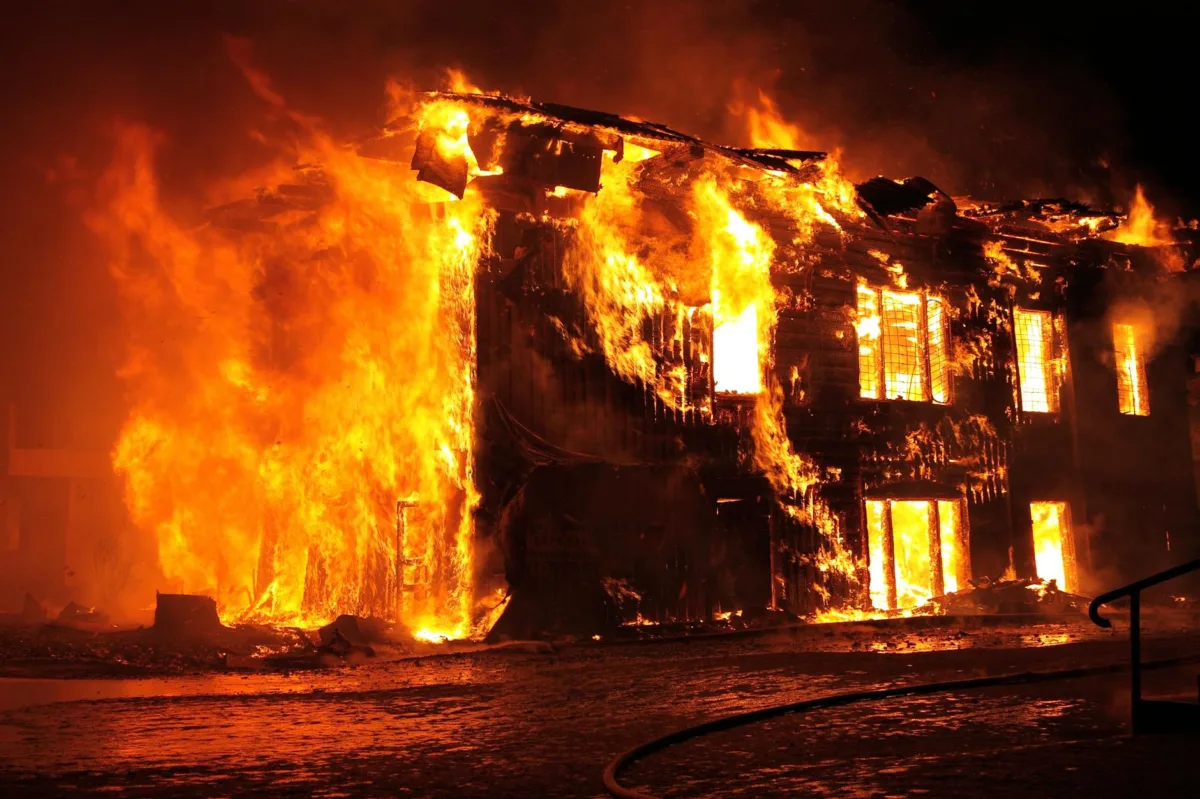
Delhi authorities have intensified investigations into the city’s hospitality sector following a series of fatal fire incidents, with hotel owner Lavkesh Bajaj currently under police scrutiny for allegedly facilitating the illegal stay of foreign nationals. The probe, which coincides with the arrest of a hotel cook involved in a separate fire disaster, highlights a deepening crisis of building safety and administrative oversight in the national capital.
The Rising Toll of Urban Fire Hazards
Data released by NDTV indicates that over 500 people have perished in fire-related accidents across Delhi within the last six years. These recurring tragedies have brought the city’s building code enforcement into sharp focus, revealing systemic failures in fire safety compliance.
Critics argue that the absence of rigorous engineering oversight has transformed many urban structures into death traps. In many instances, hotels and guesthouses operate with inadequate fire exits, blocked ventilation, and a lack of basic fire-suppression equipment, directly violating municipal regulations.
Criminal Negligence and Regulatory Gaps
The investigation into Lavkesh Bajaj focuses on allegations that he allowed two Bangladeshi nationals to utilize his private residence for financial gain, raising concerns about the intersection of illegal migration and unauthorized lodging operations. This case underscores a broader pattern of negligence where property owners prioritize illicit revenue streams over the fundamental safety of their occupants.
Meanwhile, the legal system has begun to hold individual staff members accountable, as evidenced by a local court recently remanding a hotel cook to two days of police custody following a deadly blaze. Experts suggest that while arresting lower-level employees provides immediate accountability, it often fails to address the structural corruption that permits unsafe buildings to function in the first place.
Acts of Heroism Amidst Systemic Failure
Amidst the grim statistics of the city’s fire crisis, stories of individual bravery have emerged as a testament to the urgency of the situation. In one notable incident, a local mattress seller reportedly sacrificed approximately Rs 2 lakh worth of inventory to create a makeshift landing zone, successfully helping eight people escape a burning building.
Such acts of civilian heroism, while commendable, highlight the complete lack of professional emergency preparedness in high-density areas. They point to a reliance on bystander intervention rather than institutional safety nets or reliable fire department infrastructure.
Implications for Urban Governance
For the hospitality industry, these developments signal a period of aggressive regulatory tightening. Municipal corporations are expected to launch widespread inspections, potentially leading to the mass closure of hotels found in violation of fire safety norms.
Moving forward, stakeholders should watch for upcoming legislative amendments regarding building permits and the potential implementation of biometric verification systems for hotel check-ins. The effectiveness of these measures will depend heavily on the willingness of authorities to enforce compliance without the influence of political or financial pressure.

