







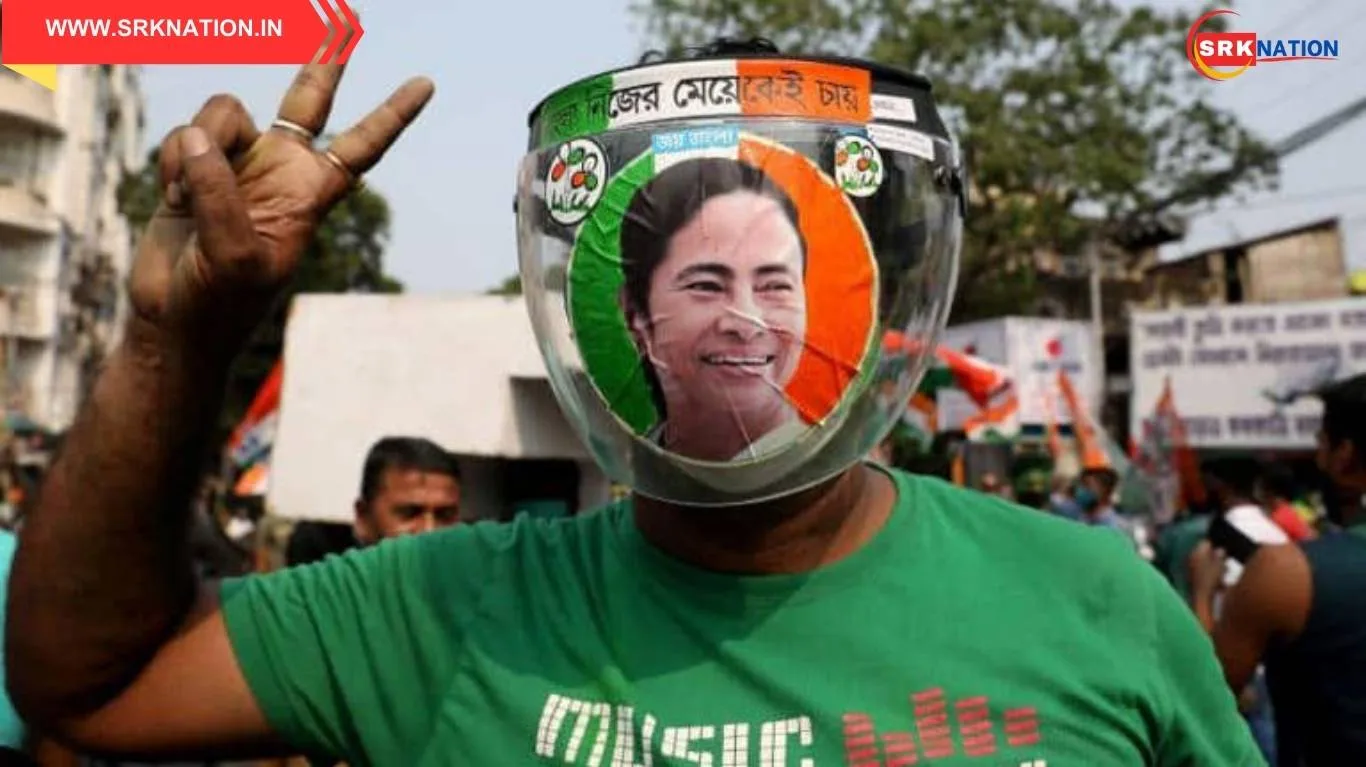
The political landscape of West Bengal’s 2026 elections is heating up as fresh survey data reveals that Chief Minister Mamata Banerjee continues to hold a lead despite signs of voter fatigue after her long tenure. Interestingly, the survey also highlights the rise of Humayun Kabir, who is emerging as a potential wildcard candidate capable of reshaping the electoral dynamics in several constituencies.
Background of the Survey
- The survey was conducted across multiple districts of West Bengal, covering urban, semi-urban, and rural voters.
- Respondents expressed mixed feelings about Mamata Banerjee’s long rule, with fatigue evident but loyalty still strong among core supporters.
- The opposition parties are struggling to consolidate their base, leaving space for independent or regional leaders like Humayun Kabir to gain traction.
- The findings suggest that while Mamata Banerjee remains ahead, the contest could be more complex than previous elections.
Key Highlights of the Survey
| Indicator | Details |
|---|---|
| Leading Candidate | Mamata Banerjee |
| Voter Sentiment | Signs of fatigue but continued support |
| Emerging Wildcard | Humayun Kabir |
| Opposition Status | Fragmented, struggling to consolidate |
| Broader Impact | Potentially reshapes West Bengal’s political narrative |
Survey Insights on West Bengal Elections
| Factor | Mamata Banerjee | Opposition Parties | Humayun Kabir |
|---|---|---|---|
| Voter Support | Strong core base, fatigue evident | Fragmented, inconsistent | Rising appeal in select constituencies |
| Strengths | Experience, welfare schemes, grassroots connect | National backing, alternative narrative | Fresh face, local connect |
| Weaknesses | Long tenure fatigue, governance challenges | Lack of unity, weak leadership | Limited resources, organizational reach |
| Long-Term Implication | Likely to retain lead | May struggle to challenge effectively | Could disrupt traditional vote banks |
Why This Story Matters
- Leadership Continuity: Mamata Banerjee’s ability to maintain her lead despite fatigue reflects her enduring influence.
- Wildcard Factor: Humayun Kabir’s rise introduces unpredictability into the electoral equation.
- Opposition Struggles: Highlights the challenges faced by national and regional opposition parties in West Bengal.
- Voter Sentiment: Provides insights into the evolving mood of the electorate.
- Future Outlook: Sets the stage for a potentially multi-dimensional contest in 2026.
Mamata Banerjee’s Position
| Attribute | Details |
|---|---|
| Tenure | Over a decade as Chief Minister |
| Strengths | Welfare schemes, grassroots connect, strong party machinery |
| Challenges | Voter fatigue, governance issues, opposition criticism |
| Current Status | Ahead in surveys, but facing tougher scrutiny |
Despite voter fatigue, Mamata Banerjee’s welfare initiatives and grassroots presence continue to resonate with large sections of the electorate.
Humayun Kabir’s Emergence
| Attribute | Details |
|---|---|
| Political Identity | Independent/regional leader |
| Appeal | Strong local connect, fresh face |
| Strengths | Ability to attract disillusioned voters |
| Challenges | Limited organizational reach, resource constraints |
| Current Status | Emerging as wildcard in survey findings |
Humayun Kabir’s rise reflects the electorate’s openness to alternatives beyond traditional party structures, especially in constituencies where voter fatigue is pronounced.
Opposition Parties’ Struggles
- National parties have attempted to challenge Mamata Banerjee but remain fragmented.
- Lack of unity and weak leadership have hindered their ability to present a strong alternative.
- The survey indicates that opposition parties may struggle to consolidate votes effectively.
Expert Opinions
- Political Analysts: Stress that Mamata’s grassroots connect remains her biggest strength.
- Economists: Highlight the role of welfare schemes in sustaining voter loyalty.
- Sociologists: Point to voter fatigue as a natural outcome of long tenures.
- Strategists: Emphasize Humayun Kabir’s potential to disrupt traditional vote banks.
Challenges Ahead
- For Mamata Banerjee: Addressing voter fatigue and governance criticisms.
- For Opposition Parties: Building unity and presenting a credible alternative.
- For Humayun Kabir: Expanding organizational reach and sustaining momentum.
- For Voters: Navigating complex choices amid multiple contenders.
Opportunities for Candidates
- Mamata Banerjee: Reinforce welfare schemes and grassroots connect.
- Opposition Parties: Build alliances and strengthen leadership.
- Humayun Kabir: Capitalize on disillusionment and present fresh narratives.
- Electorate: Demand accountability and transparency from all contenders.
Broader Context of West Bengal Politics
- West Bengal has historically witnessed intense political contests.
- Mamata Banerjee’s long tenure reflects stability but also creates space for voter fatigue.
- The rise of independent leaders like Humayun Kabir adds new dimensions to the contest.
- The 2026 elections are expected to be closely watched across India.
Public Sentiment
- Core supporters of Mamata Banerjee remain loyal despite fatigue.
- Opposition supporters express frustration at lack of unity.
- Humayun Kabir’s supporters see him as a fresh alternative.
- Overall sentiment reflects anticipation and cautious optimism.
Media Coverage
- Headlines emphasize Mamata Banerjee’s continued lead.
- Analysts debate the impact of voter fatigue.
- Coverage highlights Humayun Kabir’s emergence as a wildcard.
- The story continues to dominate discussions in political and media circles.
Conclusion
The West Bengal elections survey showing Mamata Banerjee ahead despite voter fatigue, with Humayun Kabir emerging as a wildcard, underscores the complexity of the 2026 contest. While Mamata’s grassroots connect and welfare schemes sustain her lead, voter fatigue and opposition struggles create space for new entrants. Humayun Kabir’s rise adds unpredictability, making the upcoming elections one of the most intriguing in recent memory.
Disclaimer
This article is intended for informational purposes only and does not constitute political endorsement or criticism. Survey findings, voter sentiments, and political strategies are subject to change based on evolving circumstances. Readers are encouraged to follow official updates for accurate information. The author and publisher are not responsible for any decisions made based on this article.