









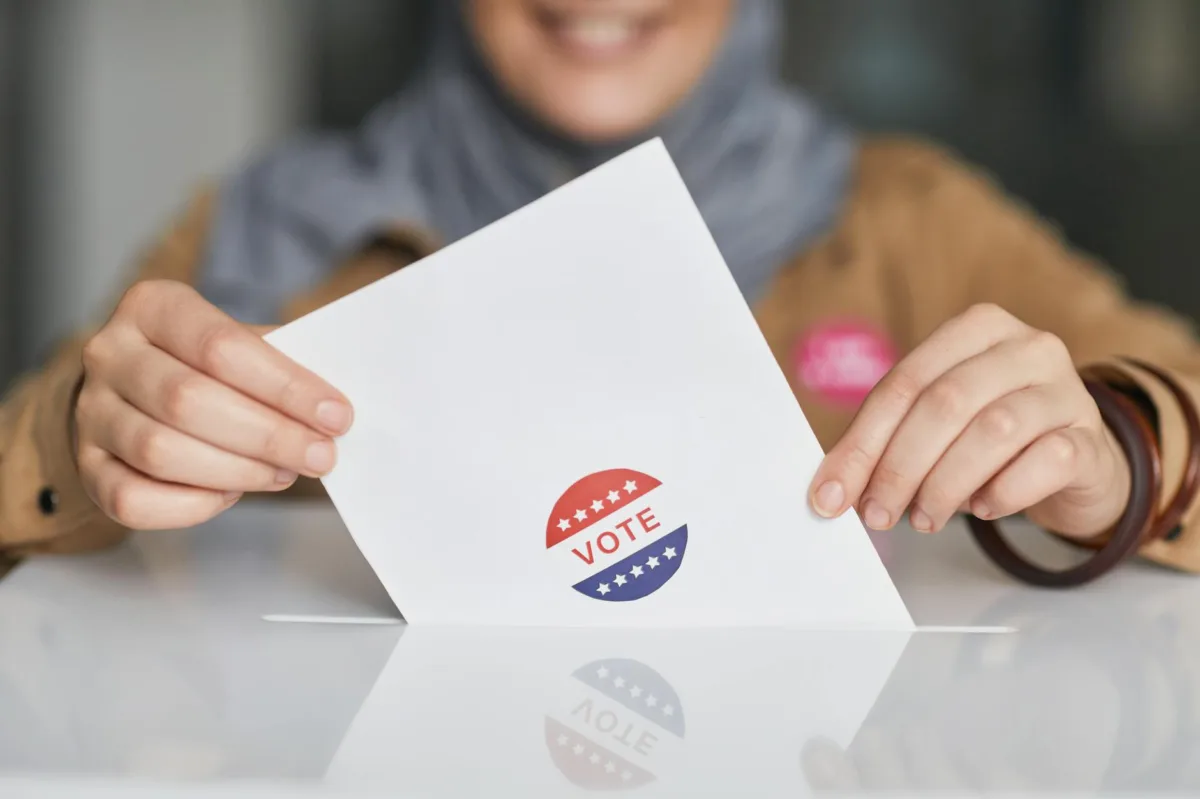
Election officials across California are currently processing millions of ballots following Tuesday’s primary election, a critical juncture that will determine the top two candidates advancing to the November general election for governor. As the most populous state in the nation, the outcome of this race carries significant weight for national policy, climate regulation, and economic governance, drawing intense scrutiny from political analysts and voters alike.
Understanding the California Top-Two Primary System
California utilizes a nonpartisan “top-two” primary system, established by voter approval of Proposition 14 in 2010. Under this structure, all candidates appear on a single ballot regardless of their political party affiliation.
The two candidates who receive the highest number of votes, irrespective of party, proceed to the general election. This process frequently results in contests between two members of the same party, fundamentally shifting how campaigns are conducted and how candidates appeal to a broad, diverse electorate.
Analyzing the Current Landscape
With ballots still being tallied in key counties, the preliminary results indicate a complex landscape of voter sentiment. Early returns show a strong performance by established figures, though the final margin of victory for the top-performing candidate remains subject to change as mail-in ballots continue to arrive.
Data from the California Secretary of State’s office highlights that mail-in voting has become the dominant method for participation in the state. This shift significantly extends the timeframe for reporting final tallies, as election workers must verify signatures and process ballots postmarked by Election Day.
Expert Perspectives on Voter Trends
Political analysts suggest that turnout levels and demographic shifts in suburban strongholds are playing a decisive role in this primary cycle. According to the Public Policy Institute of California (PPIC), shifting priorities regarding housing affordability and public safety are driving voter engagement more than in previous election cycles.
“The electorate is clearly signaling that they are focused on localized issues that impact their daily quality of life,” noted one political strategist familiar with the state’s voting patterns. “Candidates who successfully bridge the gap between partisan ideals and practical policy solutions are seeing the most traction in these early returns.”
Implications for the General Election
The results of this primary will dictate the tone of the upcoming campaign season and the allocation of party resources. For voters, the final roster of candidates will clarify the ideological spectrum of the choices they face in November, potentially impacting down-ballot races as well.
Industry experts and political observers should monitor the certification of these results over the coming week to identify the specific geographic areas that demonstrated the highest shifts in support. As the field narrows to the final two, the focus will likely transition toward fundraising strategies and the mobilization of independent voters, who now represent a growing share of the state’s registered electorate.