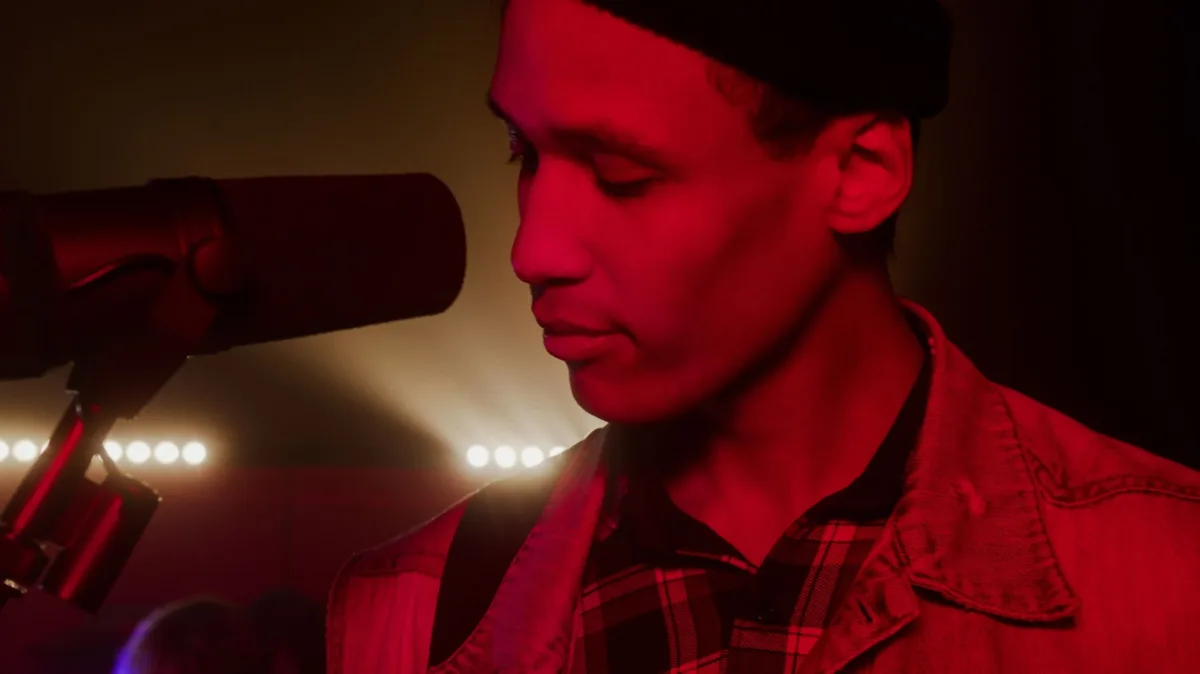










Chinese television and short-drama actor Jin Ze passed away at the age of 33, his talent agency officially confirmed this week. The actor, known for his work in the booming Chinese digital entertainment sector, was found dead at his home, prompting an outpouring of grief from fans and industry peers across Asia.
Context of a Rising Career
Jin Ze had established himself as a recognizable face in the competitive landscape of Chinese television, gaining particular traction through his roles in popular short-form dramas. This format, characterized by rapid-fire storytelling and mobile-first consumption, has become a multi-billion dollar industry in China, providing a platform for actors to reach millions of viewers outside of traditional broadcast television.
The actor’s sudden death has sent shockwaves through the entertainment industry, where he was viewed as a rising talent with significant professional momentum. His career trajectory was emblematic of the shift toward high-frequency, digital-native content that defines modern Chinese media consumption.
Industry Response and Agency Stance
Following the announcement, Jin Ze’s agency issued a formal statement requesting privacy for the family during this period of mourning. The agency also took the unusual step of issuing a stern warning against the spread of unverified rumors and speculation surrounding the circumstances of the actor’s passing.
The move reflects a growing concern within the Chinese entertainment industry regarding the rapid spread of misinformation on social media platforms. Following the announcement, various public figures, including fellow actor Eleanor Lee, took to social media to express their condolences, highlighting the personal toll the news has taken on his colleagues.
Broader Implications for the Industry
The death of a young actor at the height of his career often highlights the intense pressures associated with the Chinese entertainment industry. Actors in the short-drama sector frequently face demanding production schedules and the constant need to maintain visibility in a market that prioritizes rapid content turnover.
Industry analysts suggest that this event may spark a larger conversation regarding the mental health and welfare of performers working within the high-pressure digital drama ecosystem. As the industry continues to grow, questions regarding the sustainability of current production models and the support systems available to talent are expected to come to the forefront.
Observers are now looking to see how the production companies and streaming platforms involved in short-drama content will address these concerns. Future developments will likely include increased transparency in production practices and potential advocacy for better working conditions for actors operating in this fast-paced digital environment.