








Market Volatility Follows Robust Employment Report
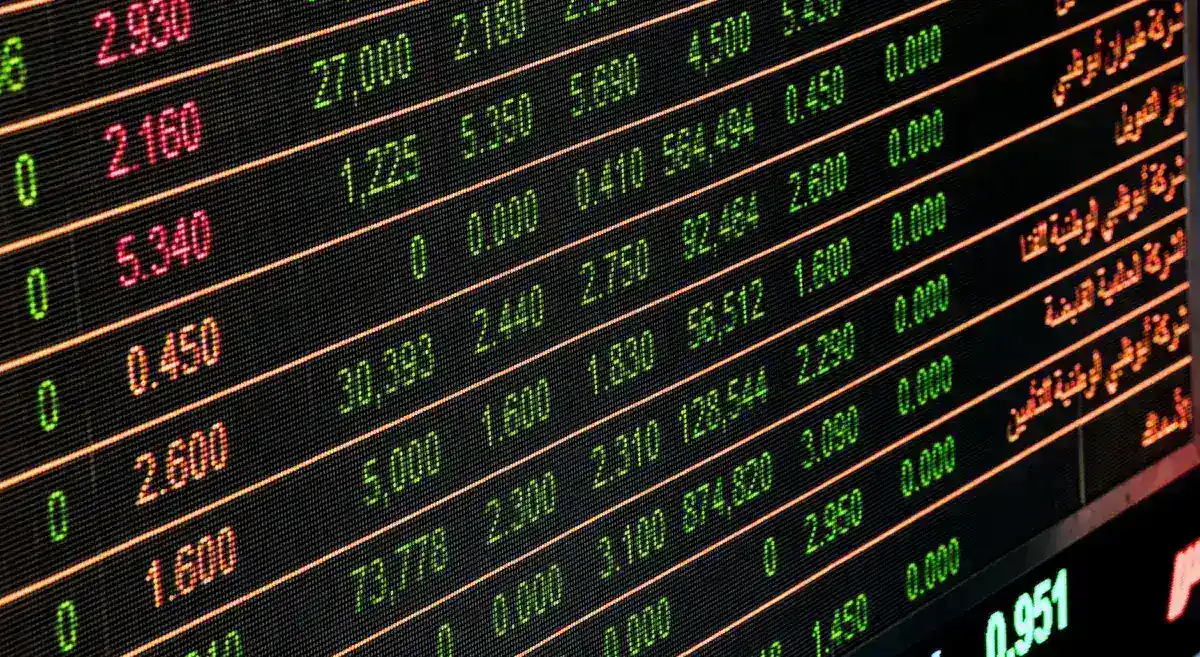
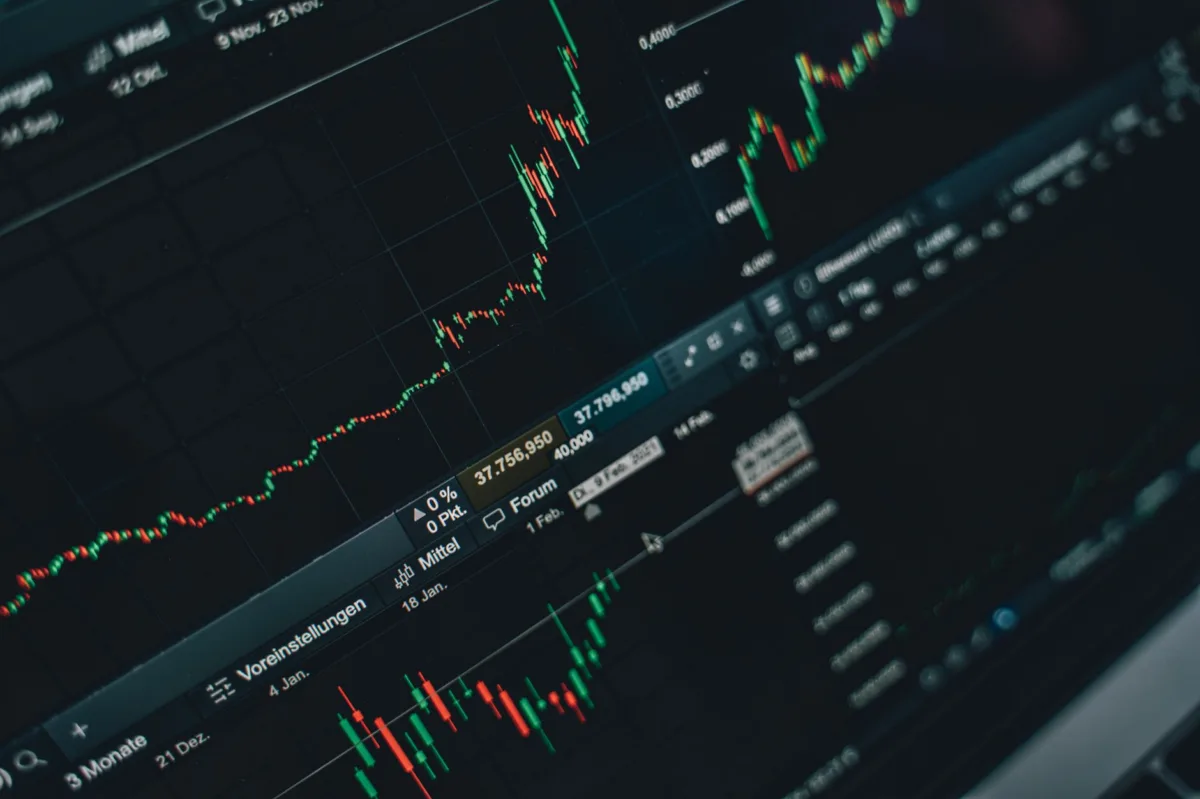
Gold prices experienced their sharpest decline in two months this week, sliding approximately 3% as unexpectedly strong U.S. labor market data triggered a surge in the dollar and intensified speculation regarding further interest rate hikes by the Federal Reserve. The precious metal, which often serves as a hedge against inflation and economic uncertainty, faced aggressive selling pressure in global markets as investors recalibrated their expectations for monetary policy.
The Relationship Between Jobs and Interest Rates
The core of the recent price action lies in the inverse relationship between gold and interest rates. When the U.S. economy reports robust employment figures, it signals to the Federal Reserve that the labor market remains tight, potentially fueling persistent inflation.
Higher interest rates typically increase the opportunity cost of holding non-yielding assets like gold. Consequently, as the probability of sustained or increased borrowing costs rises, investors often rotate capital out of gold and into dollar-denominated assets, such as Treasury bonds, which offer higher yields.
Economic Indicators Shift Market Sentiment
Recent Non-Farm Payroll (NFP) data revealed that the U.S. economy added significantly more jobs than analysts had anticipated. This unexpected strength in hiring serves as a primary catalyst for the current market shift.
Financial analysts note that the dollar index climbed to multi-week highs following the report. Because gold is priced in dollars, a stronger greenback makes the metal more expensive for international buyers, further dampening demand and accelerating the downward trend observed on the Multi Commodity Exchange (MCX) and international bullion exchanges.
Expert Perspectives on Market Dynamics
Market strategists suggest that the current sell-off reflects a market that was previously overly optimistic about an imminent ‘pivot’ or pause in rate hikes. With the labor market showing no signs of cooling, the narrative has shifted toward a ‘higher for longer’ interest rate environment.
Data from the CME FedWatch Tool indicates that betting markets have adjusted to reflect a higher likelihood of hawkish policy decisions in the coming months. This adjustment has squeezed out many short-term speculators who were positioned for a potential rebound in gold prices.
Future Implications for Investors
For investors, the immediate future remains tied to upcoming Consumer Price Index (CPI) reports and further commentary from Federal Reserve officials. Continued strength in economic data may keep gold prices under pressure, forcing traders to look for support levels at lower price points.
Looking ahead, market participants should watch for any signs of economic softening that might prompt the Federal Reserve to reconsider its aggressive stance. Should the labor market eventually cool, gold may find renewed interest as a defensive asset, particularly if geopolitical tensions in the Middle East continue to provide a floor for prices during periods of extreme volatility.