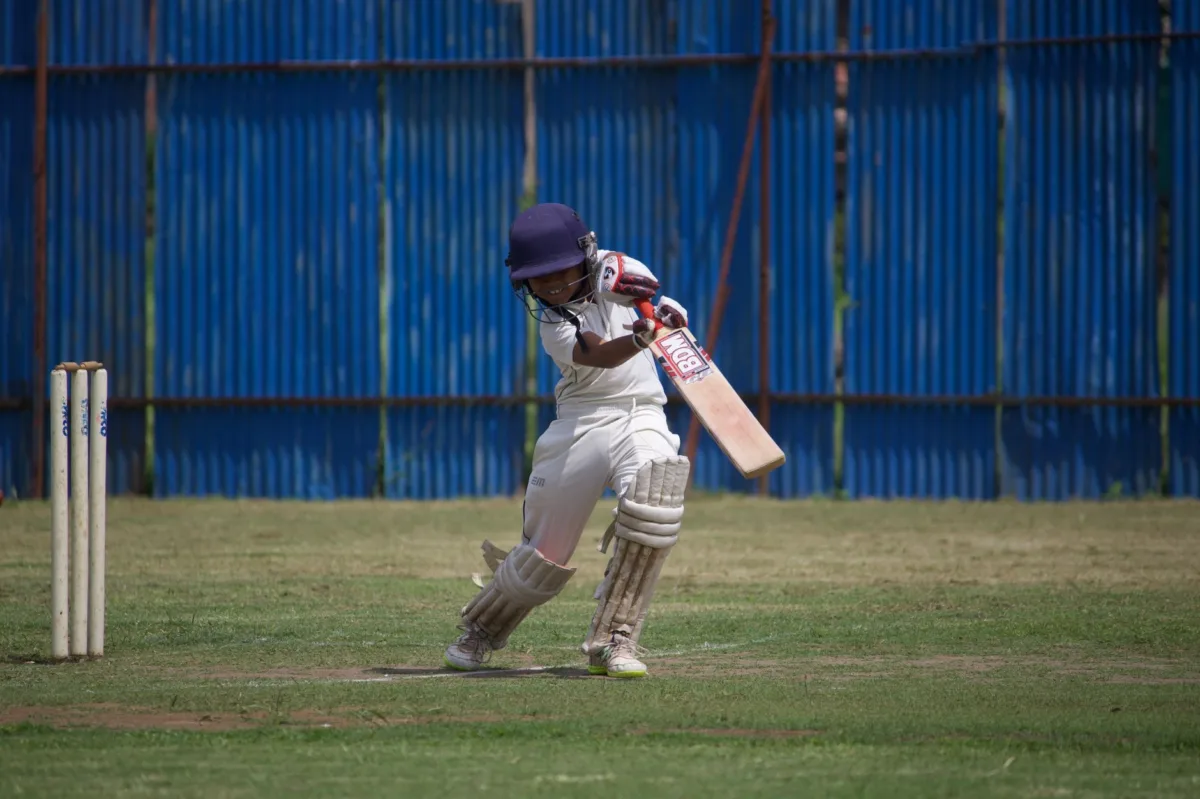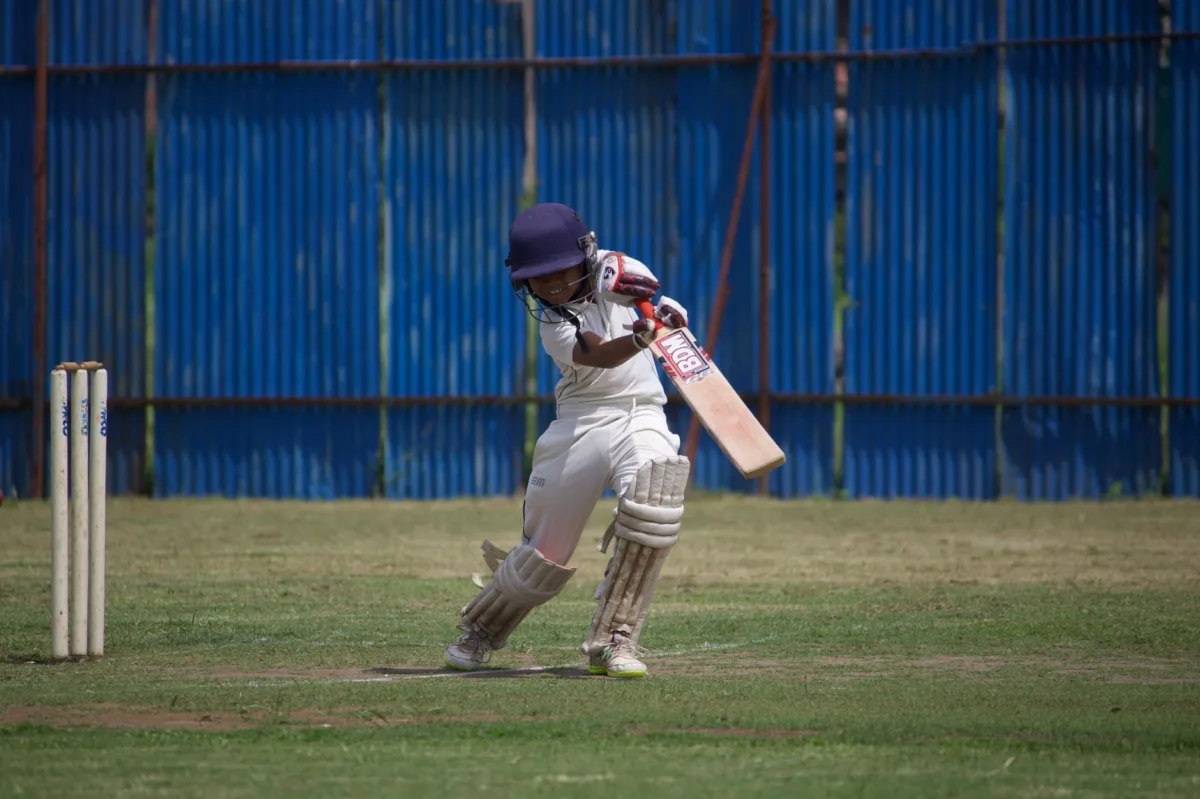










The Marylebone Cricket Club (MCC) has pledged a comprehensive investigation into the state of the playing surface at Lord’s Cricket Ground following widespread criticism during the first Test match between England and New Zealand. Officials confirmed on Sunday that they are reviewing the pitch preparation processes after players and pundits described the surface as substandard for international cricket.
The Context of the Controversy
Lord’s is historically regarded as the ‘Home of Cricket,’ a venue traditionally known for offering a balanced contest between bat and ball. However, the surface provided for this opening Test drew immediate scrutiny as it failed to behave with the expected consistency, leading to unpredictable bounce and rapid deterioration.
The criticism intensified as the match progressed, with stakeholders questioning how a venue of such prestige could produce a pitch that struggled to maintain the integrity of a five-day format. The MCC, responsible for the maintenance and management of the ground, issued a formal apology to spectators and participants alike.
Player Feedback and Expert Analysis
England captain Ben Stokes led the critique, labeling the conditions as a significant detriment to the quality of the Test format. Stokes noted that the surface did not provide the necessary platform for competitive play, describing the conditions as extreme and unrepresentative of the high standards expected at the historic London venue.
Data analysts have pointed to the unusual movement off the seam and the uneven bounce that plagued both teams throughout the first three days. Former players and commentators have echoed these concerns, with many citing a lack of binding in the soil composition as a potential cause for the pitch’s early disintegration.
While the MCC has not yet released a technical report, groundskeeping experts suggest that the preparation phase, influenced by recent weather patterns and soil moisture levels, may have inadvertently compromised the track’s durability. The organization has promised transparency in its findings to ensure that future fixtures do not encounter similar technical failures.
Implications for the Sport
The incident raises broader questions regarding the standardization of pitches in international cricket. As the ICC continues to monitor the quality of Test venues worldwide, the failure at Lord’s serves as a high-profile reminder that even the most iconic stadiums are not immune to technical oversight.
For the industry, this situation highlights the increasing pressure on head groundsmen to balance the requirements of modern broadcasting with the traditional demands of a five-day Test match. Maintaining a surface that remains resilient under varied atmospheric conditions has become a critical challenge for stadium curators across the globe.
Moving forward, the cricket community will be watching closely to see if the MCC implements new diagnostic protocols for pitch preparation. Future Test matches scheduled at the venue will likely be subject to enhanced monitoring by the sport’s governing bodies to ensure the integrity of the game is upheld.