







The Frontline of Public Health
In the Democratic Republic of Congo, Catholic Church leaders and local congregations are actively engaging in the fight against the latest Ebola outbreak, working to bridge the dangerous gap between international medical protocols and deeply rooted cultural traditions. As health authorities struggle with widespread public distrust, the Church has emerged as a vital intermediary, utilizing its extensive grassroots network to combat myths and encourage safe burial practices in affected provinces.
Contextualizing the Crisis
Ebola, a severe and often fatal viral hemorrhagic fever, has historically triggered panic and social fragmentation within the DRC. Previous outbreaks have shown that traditional rituals—specifically the tactile preparation of bodies for burial—are primary drivers of infection. Medical teams have often been met with hostility, as local populations frequently view quarantine measures and clinical interventions with suspicion, viewing them as foreign impositions rather than lifesaving care.
The Dual Challenge of Tradition and Distrust
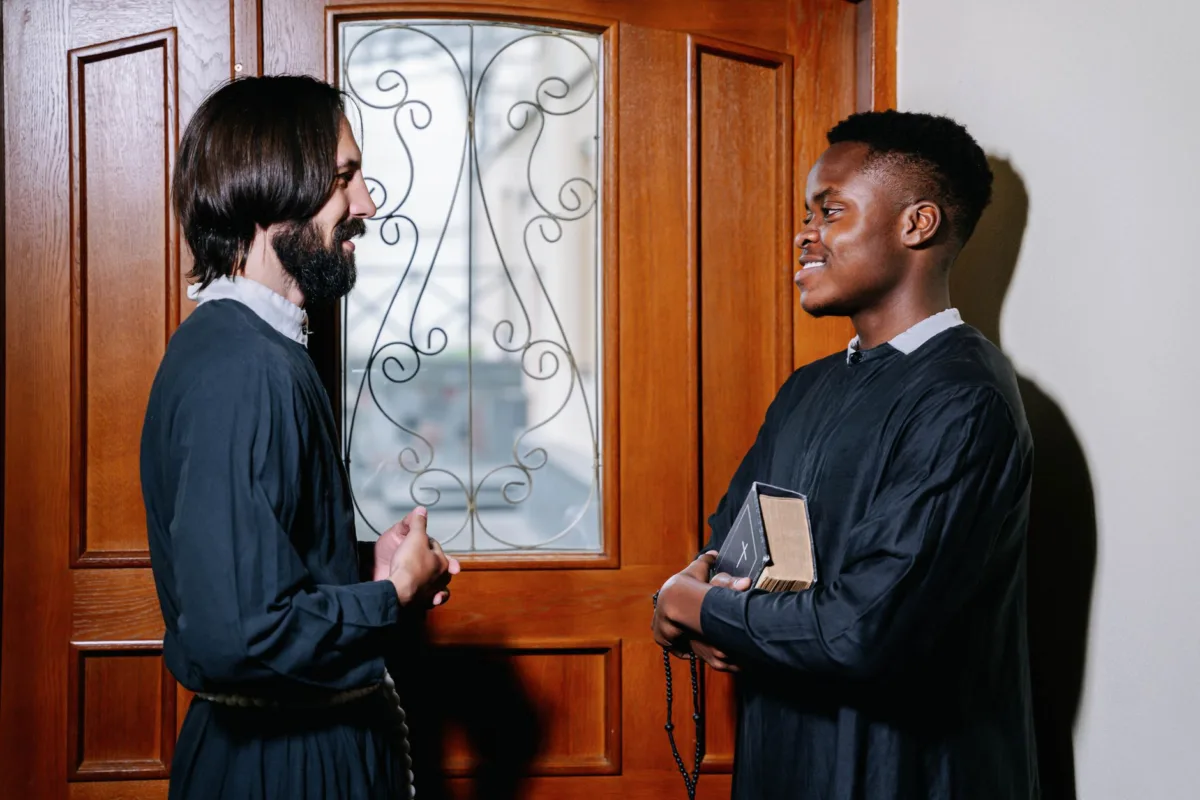
The Church’s intervention focuses on the delicate balance between respecting local customs and adhering to the scientific requirements of epidemiology. Priests and community leaders are now educating their parishioners on how to mourn their dead while avoiding physical contact with infected remains, a significant departure from long-standing cultural norms. By framing hygiene measures within a spiritual context, they have managed to increase community compliance where secular government messaging has failed.
Expert Perspectives and Data
Public health experts acknowledge that the Church’s involvement is a decisive factor in managing the transmission chain. According to reports from the World Health Organization, community resistance is one of the most significant barriers to ending Ebola outbreaks. By leveraging the trust held by clergy members, health organizations are now reporting fewer instances of ‘unsafe burials’ in regions where the Church has taken an active role in education and monitoring.
Implications for Future Health Responses
For the broader medical and humanitarian community, the DRC experience underscores the necessity of integrating cultural mediators into emergency health responses. Relying solely on clinical mandates is insufficient when those mandates clash with the social fabric of a community. Future initiatives in sub-Saharan Africa must prioritize partnerships with local religious institutions to ensure that medical directives are culturally translated and accepted by the grassroots population.
Looking Ahead
As the DRC continues to monitor current transmission rates, observers will be watching to see if this collaborative model can be institutionalized for future health crises. The long-term success of these efforts may depend on whether international health agencies can sustain these partnerships beyond the immediate emergency, fostering a lasting relationship that addresses broader public health infrastructure needs rather than just acute outbreaks.