





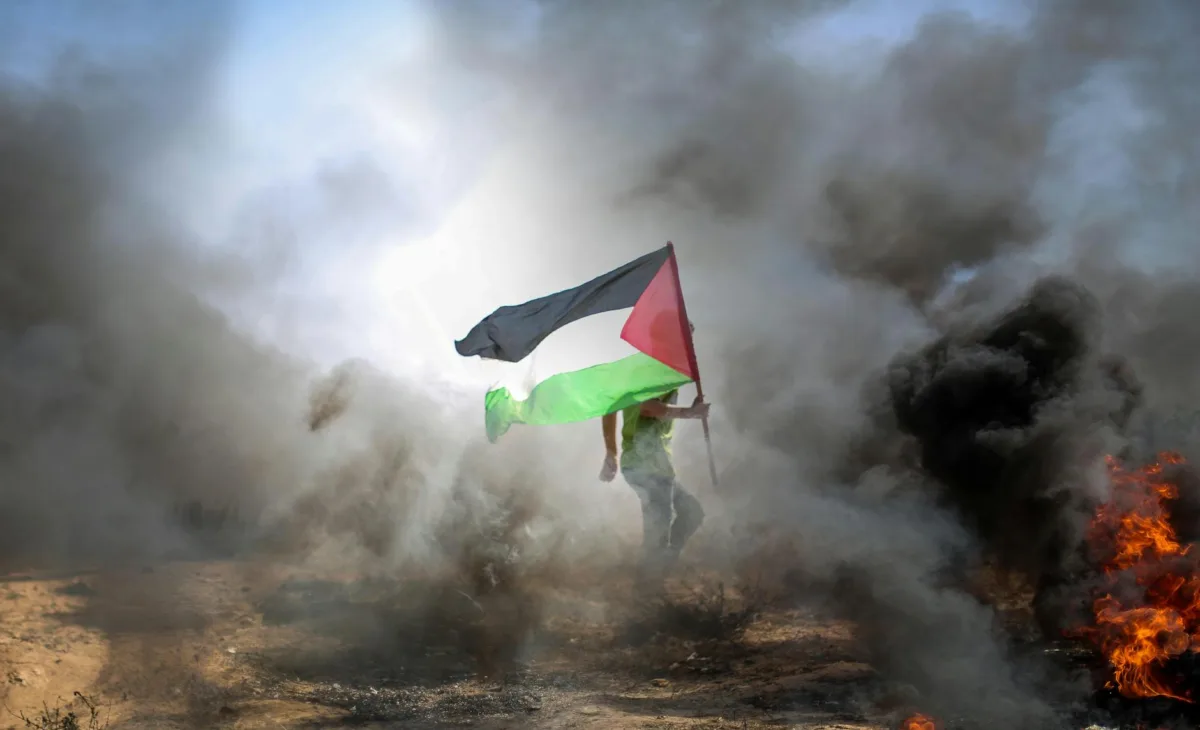
The United Nations Security Council issued a formal condemnation this week following a targeted attack on a nuclear facility in the United Arab Emirates, marking a dangerous escalation in the ongoing regional conflict between Iran and Israel. As hostilities intensify, Lebanon reports at least 21 casualties, including children, resulting from a series of Israeli airstrikes conducted over the past 48 hours. The surge in violence persists despite reported efforts to maintain a ceasefire, effectively destabilizing a region already reeling from months of sporadic military engagement.
Contextualizing the Regional Security Crisis
The current instability stems from a complex web of proxy warfare and direct military confrontations that have characterized the Iran-Israel relationship for decades. The recent strike on the UAE nuclear facility represents a significant departure from previous tactical norms, signaling that critical infrastructure is increasingly becoming a strategic target in the conflict. This shift has alarmed international observers, who fear that the involvement of third-party nations could trigger a broader, more uncontrollable regional war.
The Humanitarian Toll on the Ground
In Southern Lebanon, the situation has become increasingly dire for both civilians and emergency service personnel. Reports from the United Nations indicate that first responders are operating under direct fire, significantly hampering efforts to recover victims from the rubble of leveled residential buildings. The Guardian and Al Jazeera have documented at least 27 deaths across multiple strikes this week, highlighting the lethal impact of intensified air campaigns on densely populated areas.
Expert Perspectives on Strategic Escalation
Security analysts suggest that the targeting of the UAE facility reflects a transition toward ‘total-war’ tactics aimed at crippling regional economic and energy stability. According to recent briefings from international security firms, the failure of existing ceasefire agreements to hold suggests that diplomatic channels are currently secondary to military objectives. Data provided by local health authorities in Lebanon confirms that the intensity of these strikes has reached levels not seen since the height of the 2006 conflict, overwhelming local medical infrastructure.
Broader Implications for Global Stability
For the international community, the expansion of the conflict poses a significant threat to global energy markets and maritime security. The involvement of the UAE—a key economic hub—suggests that the conflict is no longer confined to the immediate border regions of Lebanon and Israel. Investors are bracing for increased volatility in oil and gas prices as the security of regional nuclear and energy assets becomes a primary concern for multinational corporations and foreign governments.
Looking Ahead: Critical Indicators
Observers are closely watching for any signs of direct intervention by state actors that could further broaden the theater of war. The effectiveness of the UN Security Council’s condemnation will be tested in the coming weeks as diplomats attempt to establish a more durable humanitarian corridor. Should the violence continue to target critical infrastructure, global powers may be forced to reconsider their diplomatic engagement strategies to prevent a complete collapse of regional stability.