







The Immediate Aftermath of the Disaster
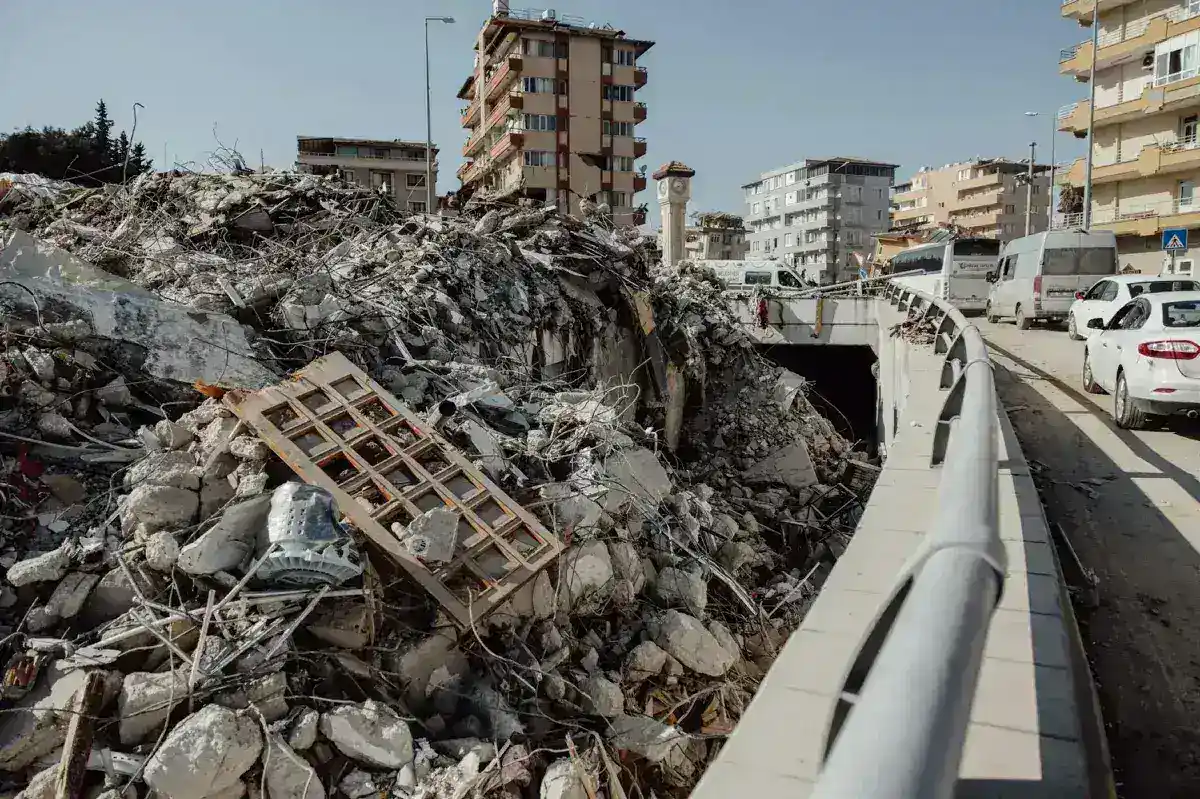
A powerful 7.8 magnitude earthquake struck the Mindanao region of the Philippines early this week, resulting in at least 35 confirmed fatalities and widespread structural collapse. The seismic event, which triggered immediate tsunami fears and mass evacuations, has left emergency responders scrambling to reach trapped survivors beneath the rubble of crumbled shopping malls and residential buildings.
Geological Context of the Region
The Philippines is situated along the Pacific ‘Ring of Fire,’ an area known for intense seismic activity caused by the collision of tectonic plates. Because of this location, the archipelago experiences frequent tremors, though a quake of 7.8 magnitude represents a significant and rare intensity that tests the limits of local infrastructure.
The Scale of Destruction
Footage circulating from the disaster zone shows catastrophic damage to urban centers, with commercial structures suffering complete or partial collapses. Families were captured on video fleeing into the streets as the tremors intensified, highlighting the terror experienced by residents during the sustained shaking.
Regional authorities have reported that the death toll is expected to rise as search-and-rescue teams gain access to more remote or heavily damaged areas. Hospitals in Mindanao are currently operating under extreme pressure, struggling to accommodate a surge of patients suffering from trauma and crush injuries.
International Response and Expert Assessment
Global leaders, including the Prime Minister of India, have publicly expressed their condolences, signaling the international community’s awareness of the unfolding humanitarian crisis. Seismologists note that while tsunami warnings were issued almost immediately following the initial shock, the primary concern remains the vulnerability of high-density housing and older commercial architecture in the region.
Infrastructure experts warn that the rapid development in Philippine urban centers often outpaces the strict enforcement of seismic building codes. This disparity between policy and construction reality has likely contributed to the high number of building failures observed during this event.
Implications for Future Resilience
For the residents of Mindanao and the wider Philippines, this tragedy underscores an urgent need for enhanced disaster preparedness and more rigorous oversight of building safety standards. The industry must now grapple with the economic and social costs of rebuilding, as well as the psychological toll on communities that are frequently forced to recover from natural disasters.
Looking ahead, the focus will shift from immediate search-and-rescue operations to long-term recovery and the potential implementation of stricter zoning laws. Observers are now watching to see how the Philippine government allocates resources for infrastructure reinforcement to mitigate the impact of future seismic events in this highly volatile region.