








Market Response to Geopolitical De-escalation
Global oil prices moderated their upward momentum early Monday after Iranian officials announced that their military operations against Israel had concluded, signaling a temporary cooling of regional tensions that had gripped energy markets over the weekend. The shift in market sentiment followed a volatile period of speculation regarding potential supply chain disruptions in the Middle East, a region responsible for approximately one-third of the world’s seaborne oil trade.
Contextualizing the Strait of Hormuz Risks
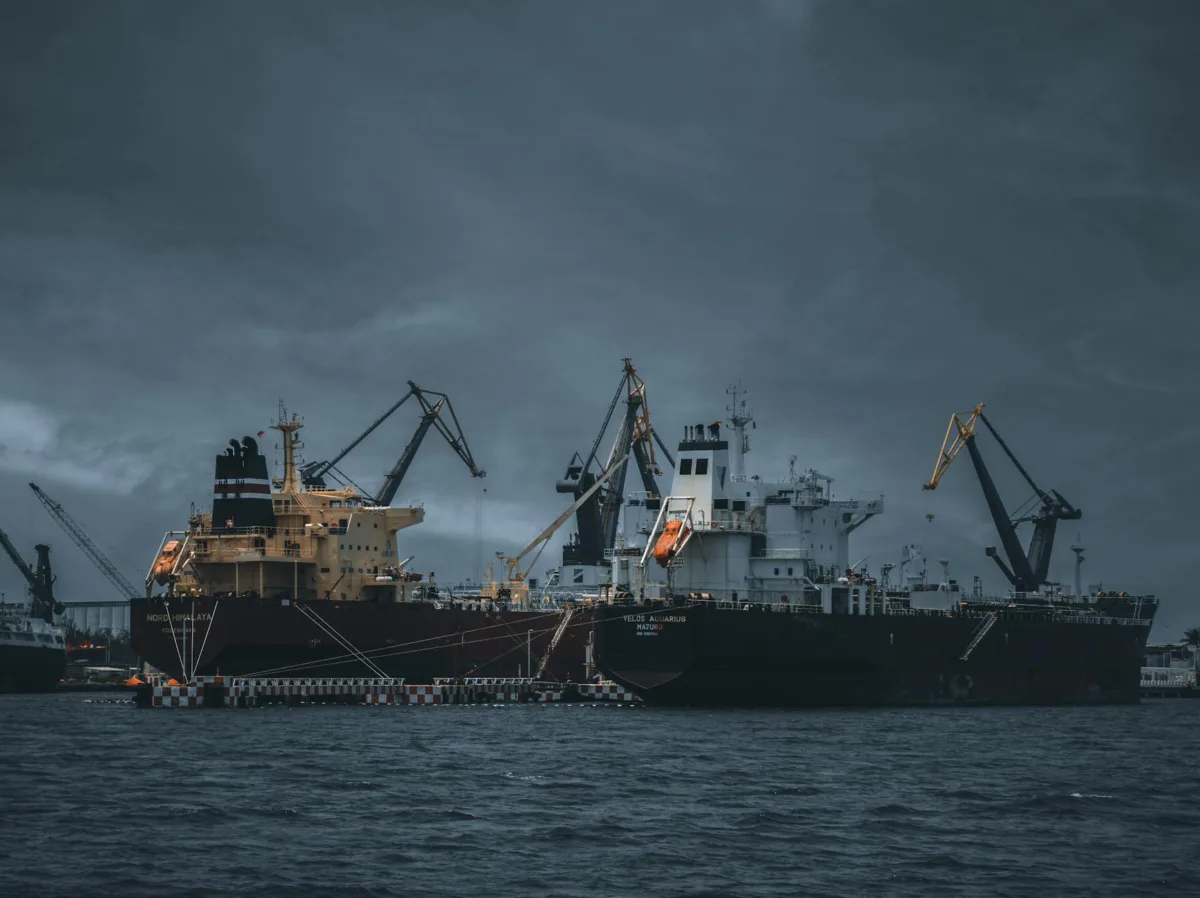
The Strait of Hormuz remains the world’s most critical oil chokepoint, with an estimated 21 million barrels of petroleum passing through its narrow waters daily. Historically, any escalation in regional conflict involving Iran has triggered immediate spikes in Brent and West Texas Intermediate (WTI) benchmarks due to the perceived threat of maritime blockades or vessel seizures. Market analysts have long monitored this corridor as a primary variable in global inflation and energy security.
Analyzing the Market Volatility
Traders had braced for a sharp surge in prices at the market open, anticipating that the exchange of fire between Iran and Israel would necessitate a significant risk premium. However, the explicit statement from Tehran indicating that the operation was complete allowed participants to recalibrate their positions based on the current absence of immediate, large-scale direct conflict. According to data from the Intercontinental Exchange, trading volumes remained elevated as investors assessed whether the de-escalation would hold or if secondary retaliatory actions remained a viable threat.
Expert Perspectives on Energy Security
Energy strategists suggest that while the immediate risk of a total supply cutoff has diminished, the market remains fragile. “Prices are reflecting a ‘wait-and-see’ approach rather than a return to normalcy,” noted senior energy analysts at Goldman Sachs in a recent briefing. They highlight that the current pricing structure continues to bake in a geopolitical risk premium, as the underlying tensions in the region remain unresolved and prone to sudden shifts.
Implications for Global Industry
For the broader economy, the stabilization of oil prices provides a measure of relief for central banks currently struggling to manage inflationary pressures. Sustained high energy costs serve as a direct tax on consumer spending and industrial production, potentially complicating monetary policy decisions in the United States and Europe. If prices continue to retreat, it could alleviate some upward pressure on transportation costs and food prices, which are highly sensitive to fuel surcharges.
What to Watch Next
Market participants are now turning their attention toward potential diplomatic interventions and the possibility of renewed sanctions against Iranian oil exports. Observers should monitor upcoming statements from the U.N. Security Council and any changes in physical export data from the Persian Gulf, as these metrics will serve as the primary indicators of whether the ceasefire holds. The persistence of regional volatility suggests that energy markets will continue to experience heightened sensitivity to geopolitical headlines for the foreseeable future.