





Evacuations Lifted Following Industrial Threat
Thousands of Southern California residents returned to their homes on Wednesday after authorities lifted evacuation orders prompted by an overheated chemical tank in a local industrial facility. The crisis, which began late Tuesday, forced local law enforcement to establish a perimeter to protect citizens from the risk of a potential explosion or toxic plume emission.
The incident occurred at a chemical processing plant where internal temperatures in a storage vessel spiked unexpectedly. Emergency crews worked through the night to stabilize the pressure, allowing officials to declare the area safe for public reentry by midday.
Understanding Industrial Safety Protocols
Chemical storage facilities are subject to rigorous oversight by both state and federal agencies, including the California Environmental Protection Agency (CalEPA). These regulations mandate that facilities maintain automated safety systems designed to vent pressure or neutralize reactions before they reach critical failure points.
Despite these safeguards, industrial accidents remain a recurring concern for urban planners and residents living in mixed-use zones. When a tank overheats, the primary danger involves the potential release of hazardous materials into the atmosphere or, in extreme cases, a catastrophic mechanical failure resulting in a blast radius that could damage surrounding infrastructure.
Response and Mitigation Efforts
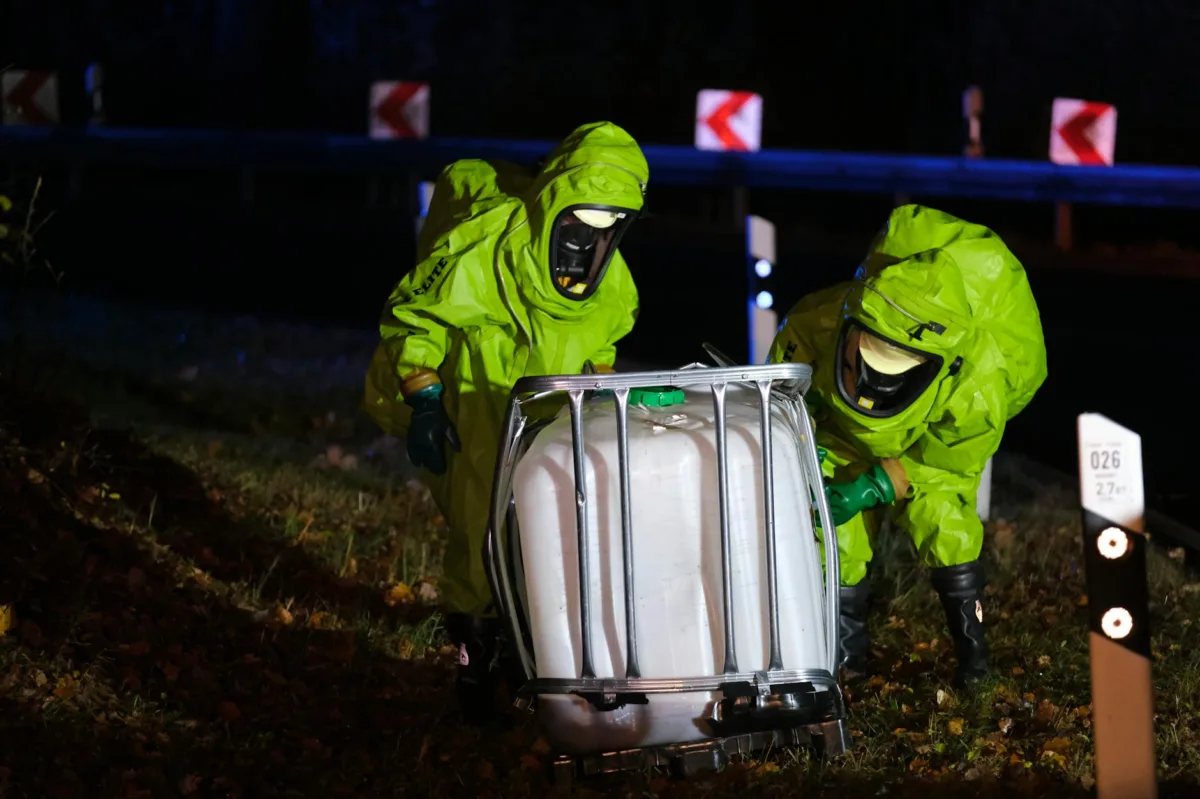
Emergency response teams utilized specialized cooling techniques to lower the tank’s temperature throughout the night. Hazmat units remained on-site to monitor air quality levels, ensuring that no chemical leakage occurred during the thermal runaway event.
According to the Occupational Safety and Health Administration (OSHA), thermal runaway happens when a chemical reaction generates heat faster than it can be dissipated. This phenomenon requires rapid intervention, as the heat can accelerate the reaction, creating a self-sustaining cycle of temperature increases that may compromise the integrity of the containment vessel.
Expert Analysis on Facility Safety
Industry safety experts point out that aging infrastructure is a significant challenge in modern industrial zones. Many facilities built several decades ago are now surrounded by residential developments, shifting the risk profile for local communities.
Data from the U.S. Chemical Safety and Hazard Investigation Board (CSB) indicates that while large-scale industrial disasters are rare, minor leaks and temperature excursions occur with enough frequency to warrant ongoing concern. Experts suggest that integrating smart-sensor technology—which provides real-time data to both facility managers and local emergency services—could drastically reduce the response time in future incidents.
Future Implications for Industrial Planning
The successful mitigation of the California incident highlights the effectiveness of current emergency communication systems, yet it leaves questions about long-term urban planning. Moving forward, the industry faces pressure to increase transparency regarding the types of chemicals stored in residential proximity. Watch for new legislation in the coming legislative session that may demand stricter zoning requirements and more frequent safety audits for facilities handling volatile materials. Additionally, local fire departments are expected to request increased funding for specialized industrial training to ensure they remain equipped to handle increasingly complex chemical threats.