









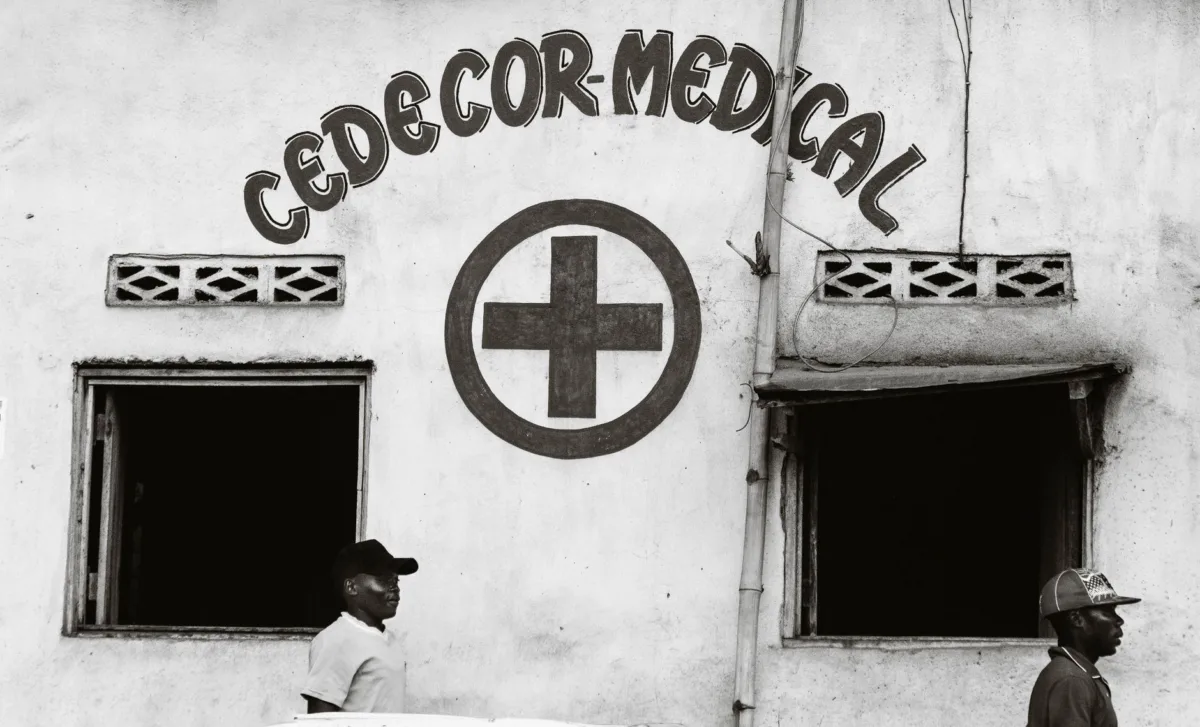
Health officials in the Democratic Republic of Congo (DRC) confirmed 71 new cases of the Ebola virus this week, marking a significant escalation in an ongoing outbreak that continues to threaten regional stability. The surge, reported by local health authorities and international monitoring groups, comes as medical teams scramble to contain the spread in densely populated areas where tracking transmission chains remains a logistical challenge.
The Context of the Crisis
The Democratic Republic of Congo has faced recurring Ebola outbreaks for decades, owing to the virus’s presence in the region’s zoonotic reservoirs. Unlike previous isolated incidents, this current wave is complicated by high population mobility, which facilitates the rapid movement of the virus across provincial borders.
International health agencies have long identified the DRC as a high-risk zone for viral hemorrhagic fevers. The current strain, known for its high mortality rate, necessitates strict quarantine protocols and rapid diagnostic testing that often struggle to reach remote or conflict-affected territories.
Analyzing the Current Surge
The recent jump of 71 confirmed cases represents a sharp increase in transmission velocity compared to the previous month. Epidemiologists suggest that the rapid rise is likely due to delayed reporting from rural clusters and ongoing resistance to traditional medical intervention protocols in certain communities.
Healthcare workers on the ground report that contact tracing is the most significant hurdle. In many instances, individuals exposed to the virus move between provinces before symptoms manifest, effectively broadening the geographic scope of the outbreak beyond initial containment zones.
Data from the World Health Organization indicates that the success of containment efforts relies heavily on community engagement and the swift isolation of suspected cases. However, persistent infrastructure gaps often slow the delivery of medical supplies and vaccines to the front lines of the outbreak.
Expert Perspectives
Public health experts emphasize that the current data is likely an undercount of the true infection rate. “The 71 cases represent only those who have sought clinical care or have been identified through active surveillance,” noted one infectious disease analyst. “We must assume that the actual number of transmissions is higher given the difficulty of accessing remote villages.”
Furthermore, medical professionals argue that the integration of local leaders is essential to overcoming the skepticism that often hampers vaccination campaigns. Historical data shows that when local communities participate in the containment strategy, the mortality rate significantly drops due to earlier medical intervention.
Industry and Global Implications
For the pharmaceutical industry and global health policy, this surge highlights the urgent need for more resilient supply chains for specialized treatments. The ability to deploy mobile laboratories and cold-chain storage for vaccines remains a primary metric for determining the success of the containment response.
Regional governments are now tightening border controls, which could impact trade and humanitarian aid delivery in the coming weeks. Increased screening at transit hubs is expected to become the new standard as authorities attempt to isolate the outbreak within specific provinces.
Looking ahead, the international community will be watching for the effectiveness of the latest vaccination rollouts. Observers should monitor whether the current containment measures are sufficient to prevent the outbreak from reaching major urban centers, as a shift to a large-scale metropolitan area would significantly complicate the logistical response required to stop the spread.