








Operational Hurdles for Green Steel Transition
Tata Steel has signaled that its ambitious £1.25 billion project to transition its Port Talbot facility to low-emission electric arc furnace technology may face significant delays due to critical electrical infrastructure challenges. The company confirmed this week that negotiations regarding the necessary high-voltage power supply remain complex, potentially stalling the ambitious timeline for phasing out coal-reliant blast furnaces in the United Kingdom.
Context of the Decarbonization Strategy
The transition to electric arc furnace (EAF) technology represents the cornerstone of Tata Steel’s commitment to achieving net-zero carbon emissions by 2045. The project, which received significant government backing, is designed to replace aging, high-emission infrastructure with modern, energy-efficient systems. This shift is viewed as essential for the future viability of the UK steel industry amidst tightening environmental regulations and global pressure to reduce industrial carbon footprints.
Infrastructure and Logistical Bottlenecks
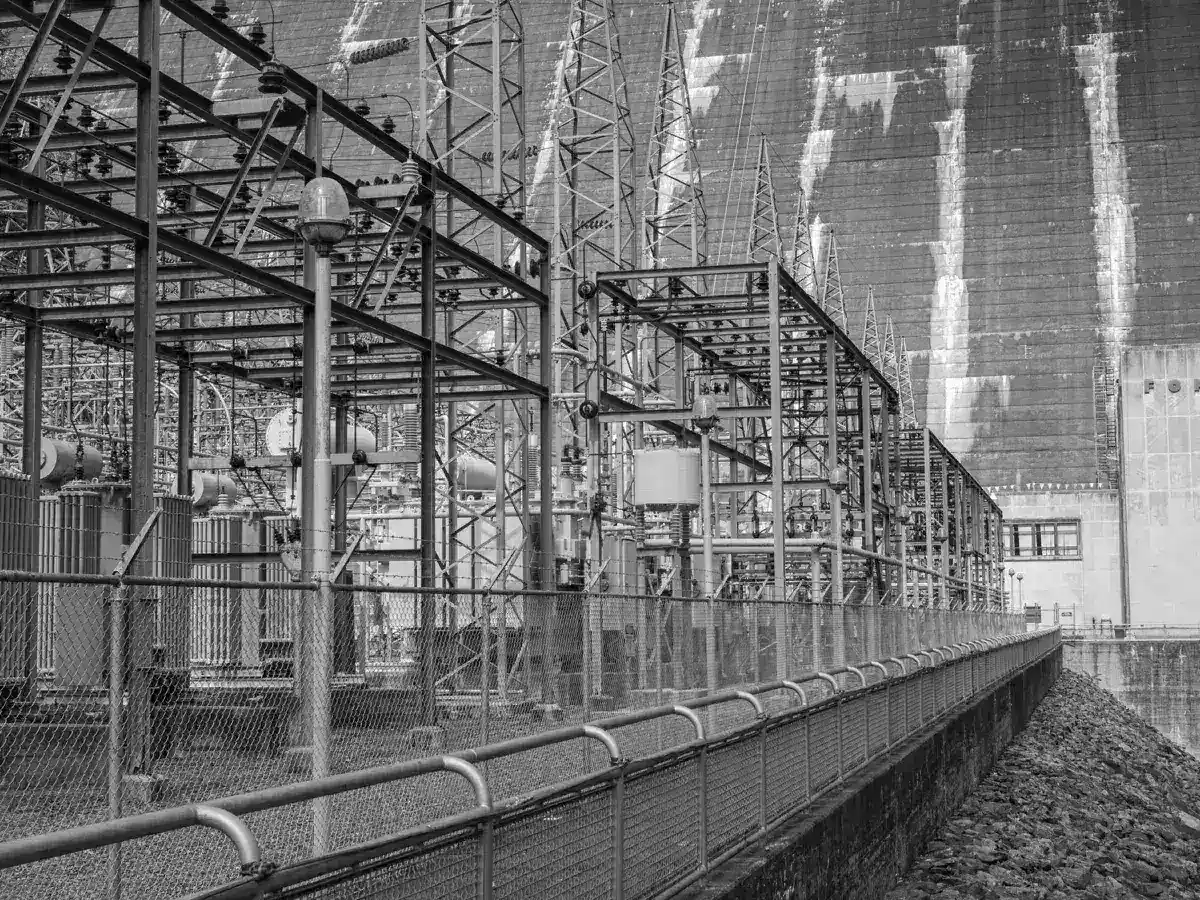
The primary point of friction lies in securing a reliable and sufficiently powerful grid connection capable of supporting the massive energy demands of an electric arc furnace. While Tata Steel continues to work with National Grid and relevant government bodies, the scale of the required electrical upgrade has proven more complex than initial project projections accounted for. Experts note that large-scale industrial decarbonization often faces ‘hidden’ infrastructure costs, where existing regional grids require extensive modernization to handle the sudden, concentrated load of new green technologies.
Industry and Expert Perspectives
Market analysts suggest that while the delay is a setback, it is not uncommon for industrial-scale green projects to encounter infrastructure roadblocks. Industry observers have pointed out that the UK’s current grid infrastructure is undergoing a massive transformation, often creating a mismatch between the timing of corporate sustainability goals and the rollout of utility-scale energy capacity. According to recent market reports, regulatory headwinds and supply chain logistics have further complicated the timeline, placing additional pressure on project managers to reconcile engineering requirements with fiscal targets.
Implications for the Steel Sector
For stakeholders, these delays highlight the intricate reliance between heavy industry and national energy policy. The outcome of the ongoing grid negotiations will likely serve as a litmus test for other large-scale industrial decarbonization efforts in the UK. If the delay extends significantly, it could impact production continuity and the company’s ability to meet domestic supply commitments during the transition period.
Looking Ahead
Market watchers are now monitoring upcoming updates from the company regarding the final timeline for the EAF installation. The focus remains on whether the UK government will expedite grid upgrades to support the energy-intensive transition or if the project will require a recalibrated schedule. Future developments will likely center on the resolution of grid connectivity agreements and the subsequent impact on long-term production costs for green steel in the region.