








Grid Infrastructure Constraints Stall Decarbonization
Tata Steel has confirmed that its ambitious £1.25 billion low-emission electric arc furnace project in Port Talbot, Wales, is encountering significant delays due to challenges in securing necessary electricity grid access. The steelmaker, which is transitioning away from traditional blast furnaces to reduce its carbon footprint, reported that the timeline for upgrading the site’s power infrastructure is currently under review.
The Context of Industrial Decarbonization
The transition to electric arc furnace (EAF) technology represents a cornerstone of the UK steel industry’s strategy to meet net-zero targets. Unlike coal-reliant blast furnaces, EAFs melt scrap metal using electricity, offering a pathway to significantly lower carbon emissions. However, this shift requires a massive increase in power consumption, placing unprecedented strain on existing national electrical grids that were not originally designed for such high-intensity industrial loads.
Technical and Regulatory Obstacles
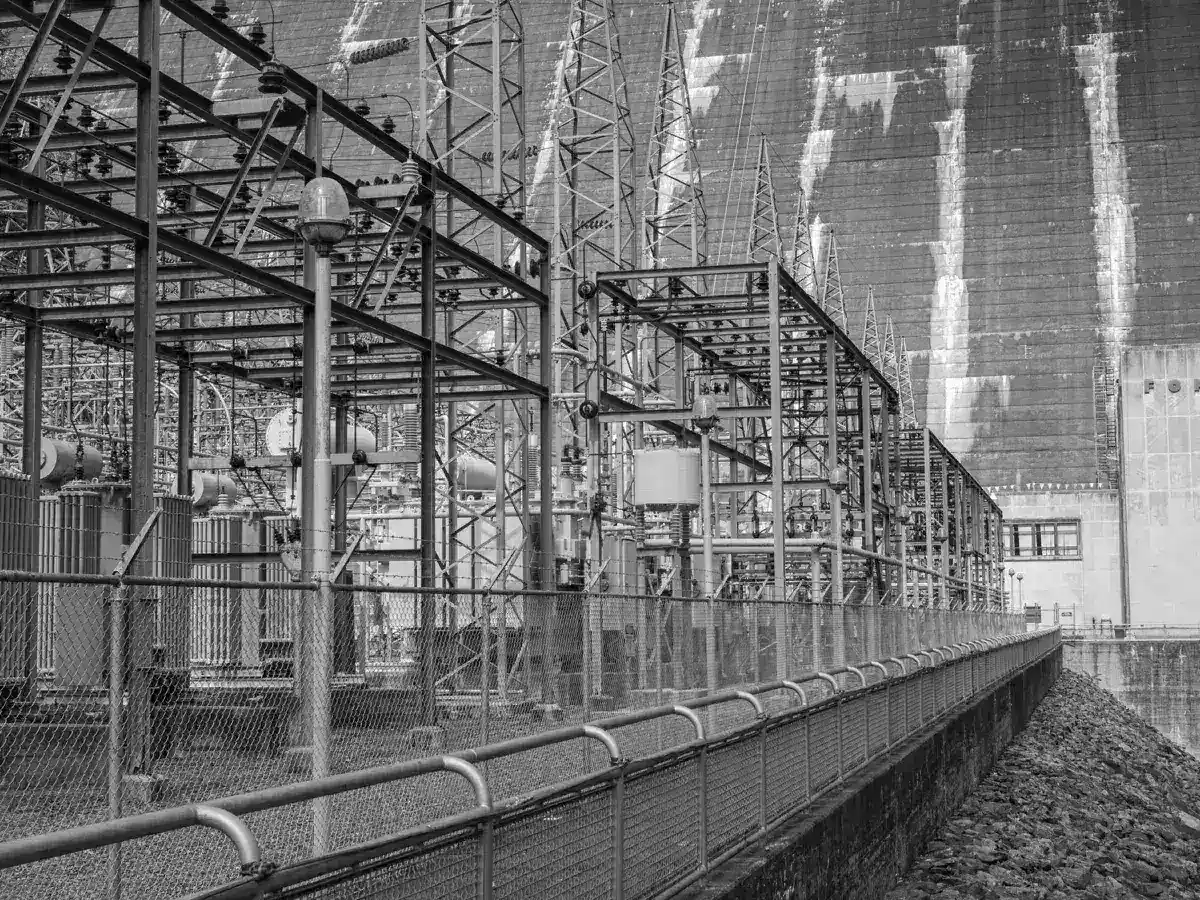
The delay highlights a critical bottleneck in the broader transition to green manufacturing: the readiness of national energy infrastructure. Tata Steel, which has been in negotiations with the UK government and National Grid, is grappling with the complexity of upgrading high-voltage connections required to support the new facility. Industry analysts point out that grid connection queues have become a systemic issue for heavy industrial projects across the United Kingdom.
Reports indicate that while the project remains a priority, the timeline for full operational status is now contingent on the successful completion of these electrical upgrades. The logistical complexity of integrating a new, high-demand facility into the legacy grid structure requires both significant capital investment and long-term regulatory coordination.
Expert Perspectives on Energy Security
Energy sector experts suggest that Tata Steel’s situation is symptomatic of a wider “grid congestion” phenomenon. According to recent data from industry regulators, the wait time for large-scale industrial grid connections has grown significantly, often stretching into several years. This presents a direct conflict between the government’s ambitious climate mandates and the physical capacity of the current energy network to support them.
Economists have noted that without expedited grid reforms, major industrial players may struggle to maintain their competitive edge while undergoing the mandatory transition to greener technologies. The financial implications for Tata Steel are substantial, as any delay in commissioning the new furnace threatens to extend the operational lifespan of older, carbon-intensive equipment, thereby incurring ongoing carbon tax liabilities.
Implications for the Steel Industry
For the UK manufacturing sector, this delay serves as a stark reminder of the infrastructure requirements necessary for industrial decarbonization. If major projects cannot secure reliable and timely energy access, the viability of the UK’s net-zero transition in heavy industry may be compromised. Investors and stakeholders are now watching for government policy shifts that might prioritize industrial grid capacity upgrades to prevent further stagnation.
Looking ahead, the focus will remain on the ongoing discussions between Tata Steel and the National Grid. Observers are particularly monitoring for any announcements regarding accelerated grid connection timelines or potential government intervention to subsidize the necessary electrical infrastructure. The success of this project is widely viewed as a litmus test for the feasibility of large-scale green industrial transformation in the UK.