








The Rise of a Grassroots Protest Movement
The Cockroach Janata Party (CJP), a youth-led political collective, has announced a major protest scheduled for June 11 in Pune to demand the resignation of Union Education Minister Dharmendra Pradhan. The group, which emerged from the digital sphere, is targeting the ministry over alleged systemic failures and irregularities in national competitive examination processes.
Context: From Digital Satire to Physical Mobilization
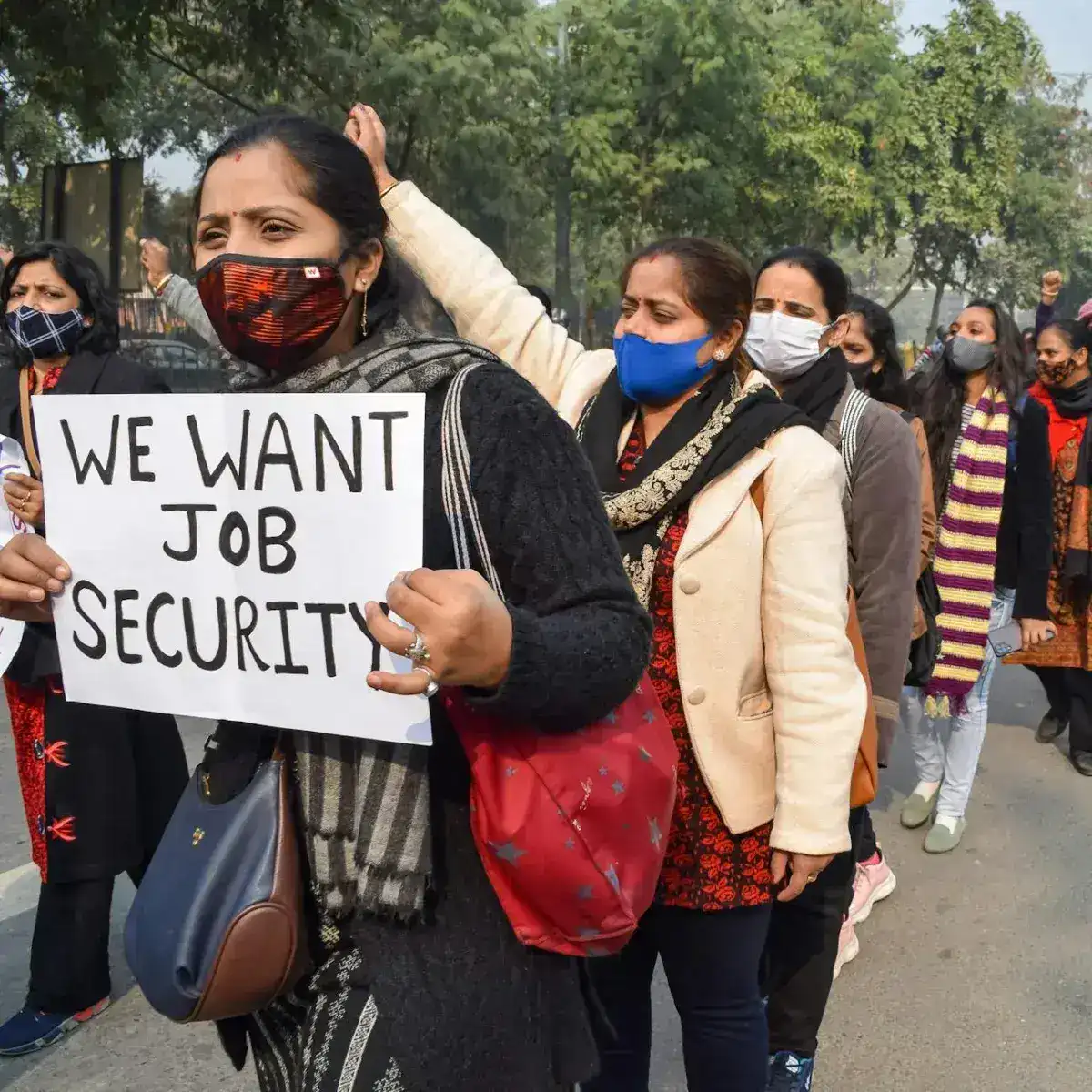
The CJP originated as an internet-based satirical movement, utilizing memes to voice frustrations regarding India’s high-stakes testing environment. What began as a platform for students to share grievances about exam paper leaks and administrative delays has rapidly transitioned into a physical protest movement across major Indian cities, including Delhi and Pune.
Analyzing the Student Grievances
The core of the movement centers on the perceived lack of accountability within the National Testing Agency (NTA). Protesters argue that recurring technical glitches, logistical failures, and security breaches during examination cycles have irreparably damaged the future prospects of millions of students.
By adopting the name ‘Cockroach Janata Party,’ the group employs a symbolic metaphor for resilience and persistence, suggesting that students—like the insect—are impossible to ignore despite being sidelined by the establishment. The movement has leveraged social media to mobilize thousands of supporters who feel marginalized by traditional political discourse.
Expert Perspectives on Youth Political Engagement
Political analysts note that the CJP represents a broader trend of ‘meme-driven mobilization,’ where digital natives bypass traditional party structures to organize directly. According to recent reports from NewsClick and The Wire, this shift signifies a critical change in how India’s youth engage with civic issues, prioritizing immediate policy accountability over long-term party affiliation.
The data suggests that the movement resonates with a demographic that feels disenfranchised by the current educational policy framework. As these protests gain momentum, they challenge the government to address the structural integrity of national exams with greater transparency.
Implications for the Education Sector
For the Ministry of Education, the rise of the CJP signals a growing intolerance for bureaucratic inertia regarding examination management. The demand for the Minister’s resignation highlights a demand for ministerial responsibility that transcends mere procedural corrections.
Observers are now watching to see if the government will initiate a comprehensive audit of the testing infrastructure or continue to dismiss the protests as fringe activity. The upcoming June 11 demonstration in Pune will serve as a bellwether for the movement’s ability to sustain pressure on policymakers during the next legislative session.