







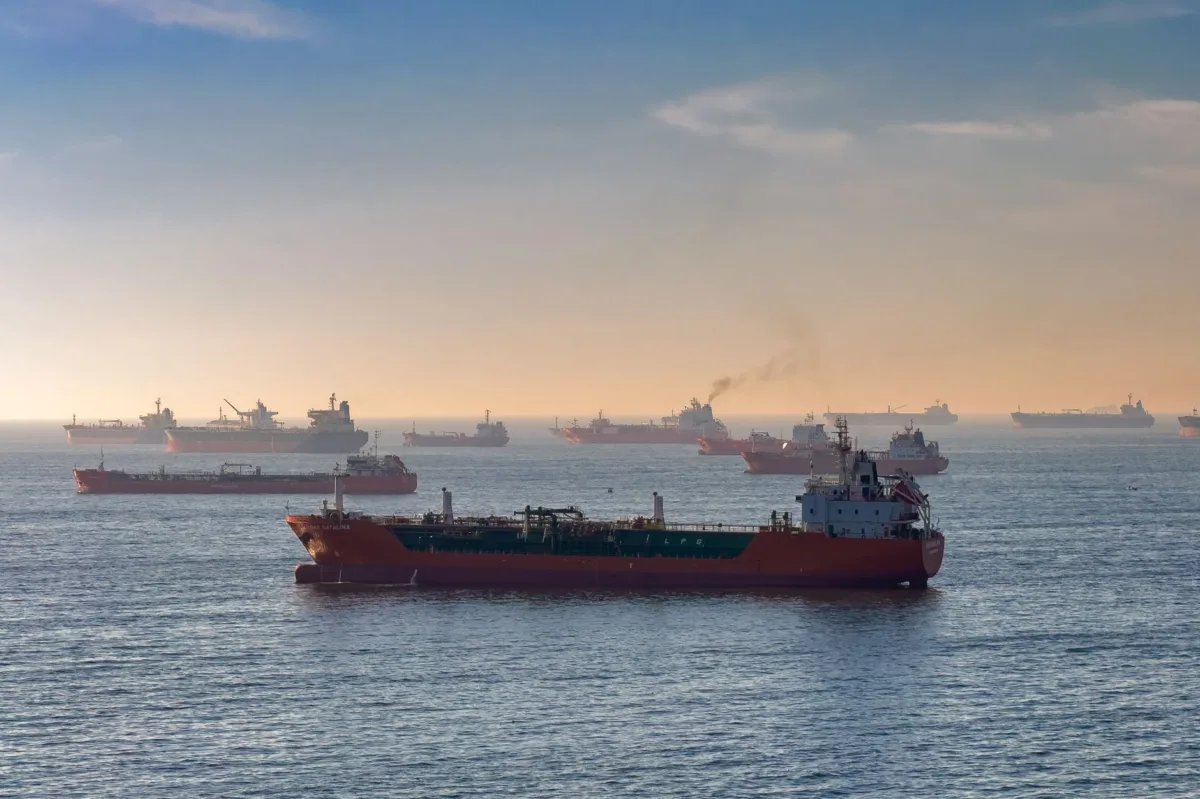
Strategic Maneuvers in the Strait of Hormuz
Former U.S. President Donald Trump recently asserted that the United States successfully transported over 100 million barrels of oil through the Strait of Hormuz during his administration, while simultaneously warning that the U.S. would strike Iran “very hard” should the nation attempt to disrupt global energy transit. These statements, delivered during recent campaign commentary, have reignited public discourse regarding the geopolitical volatility surrounding the world’s most critical oil chokepoint.
The Strait of Hormuz, located between Oman and Iran, serves as the primary maritime artery for nearly 20 percent of the world’s petroleum consumption. Any perceived threat to this narrow waterway historically triggers immediate spikes in global energy prices and heightened military posture from regional and international powers.
Contextualizing the Oil Transit Claims
The assertions regarding the secret movement of 100 million barrels of oil have sparked debate among energy analysts and international relations experts. While the Trump administration frequently utilized economic pressure and sanctions to limit Iran’s influence, reports from various outlets, including The New York Times, suggest that the logistics of these oil movements were not entirely clandestine and were often disclosed through existing maritime reporting channels.
The broader context remains a cycle of “self-defense strikes” and retaliatory posturing between the U.S. and Iranian-backed forces. This environment of brinkmanship has persisted across multiple administrations, with the Strait serving as a frequent flashpoint for naval maneuvers and drone interceptions.
Geopolitical Implications and Military Posture
Military analysts note that the rhetoric surrounding “striking hard” reflects a long-standing policy of deterrence. By emphasizing the capability to secure energy transit, political leaders aim to reassure global markets that the U.S. remains the ultimate guarantor of maritime security in the Persian Gulf.
However, the reality of these operations is complex. According to data from the U.S. Energy Information Administration (EIA), the stability of the Strait is essential for maintaining global supply chain integrity. Disruptions, whether through kinetic military action or state-sanctioned harassment of tankers, carry immediate inflationary risks for Western economies.
Industry Impact and Future Outlook
The industry is now watching for shifts in naval deployment strategies as tensions fluctuate. Energy markets remain hypersensitive to any escalation in the region, with traders often pricing in a “geopolitical premium” whenever rhetoric regarding the Strait of Hormuz intensifies.
Looking ahead, observers should monitor how future diplomatic talks—or the lack thereof—impact the enforcement of maritime transit rights. The critical metric to watch will be the frequency of direct naval confrontations and whether international coalitions can maintain freedom of navigation without triggering a broader regional conflict.