







Escalation in the Persian Gulf
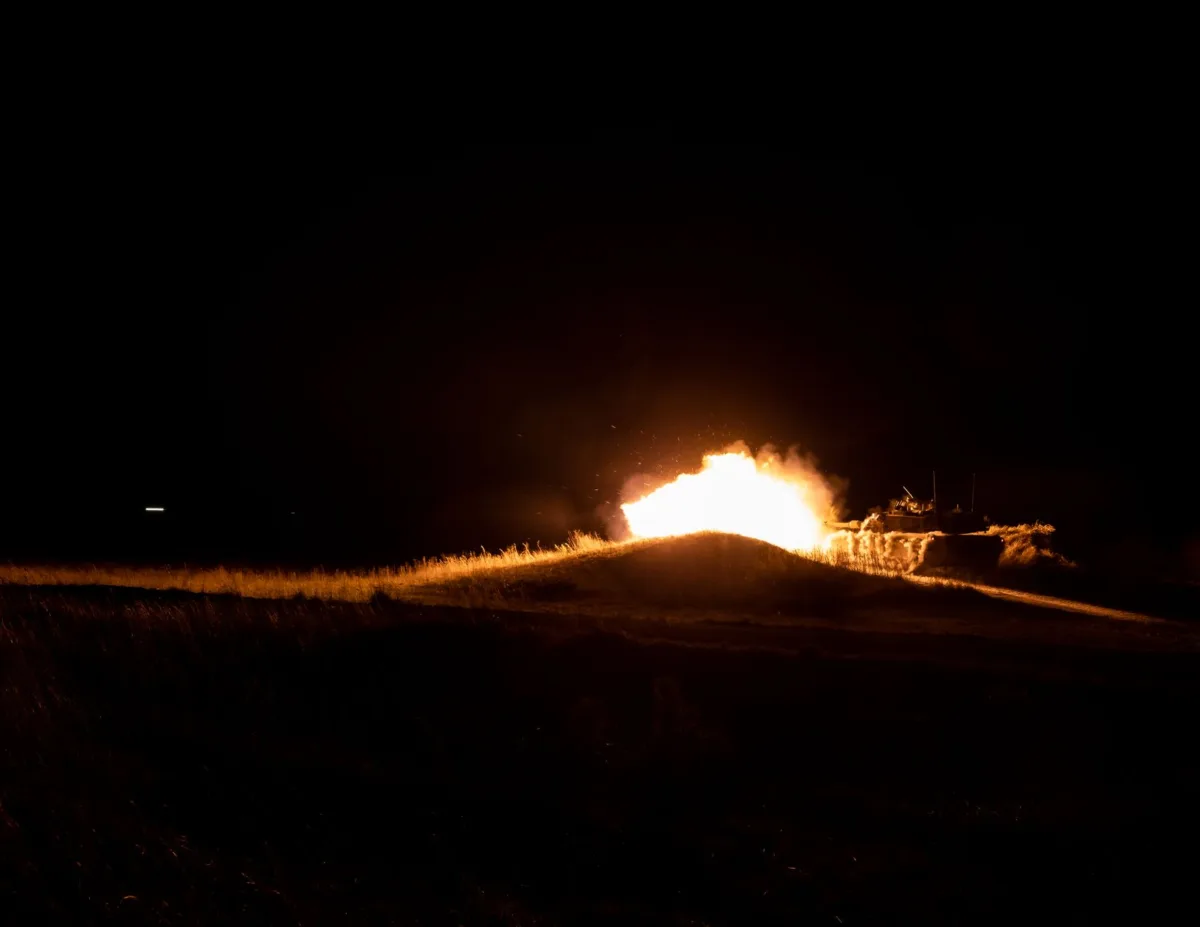
In a significant escalation of hostilities, Iran launched a series of retaliatory strikes targeting U.S. military bases and allied facilities across Bahrain, Kuwait, and Jordan this week. Reports from the region confirm an explosion occurred in the vicinity of the U.S. 5th Fleet headquarters in Bahrain, marking a volatile shift in the ongoing confrontation between Tehran and Western interests in the Middle East.
Context of the Conflict
The strikes follow a period of heightened friction between the United States and Iran, exacerbated by broader regional conflicts involving Israel and proxy forces. Analysts suggest these attacks serve as a calculated response to recent U.S. military operations, signaling a departure from indirect proxy warfare toward direct, albeit calibrated, kinetic engagement against U.S. assets.
Tactical Scope and Regional Impact
The coordinated nature of the strikes suggests a strategic attempt by Tehran to demonstrate reach and capability across multiple sovereign territories. By targeting the 5th Fleet headquarters in Bahrain, Iran has directly challenged the security architecture that supports U.S. naval operations throughout the Persian Gulf.
Reports from neighboring nations, including Kuwait and Jordan, indicate that these strikes have triggered emergency protocols at various U.S. installations. The Gulf Cooperation Council (GCC) has issued a formal statement condemning the hostilities, noting that such actions severely undermine diplomatic efforts and long-standing regional security ties.
Expert Analysis and Geopolitical Strain
Geopolitical observers point to the breakdown of diplomatic negotiations as a primary driver of the current violence. Former U.S. leadership, including Donald Trump, has characterized the prolonged negotiation period as a strategic failure, warning that Tehran will face severe consequences for the continued aggression against U.S. troops and regional partners.
Data from regional security monitors suggest that the frequency of these engagements has reached a multi-year high. Military analysts emphasize that the risk of miscalculation remains acute, as the deployment of defensive systems and counter-intelligence measures across the Middle East enters a state of heightened readiness.
Future Implications for Regional Security
The immediate aftermath of these strikes necessitates a recalibration of the U.S. presence in the region. Policymakers are now forced to weigh the necessity of retaliatory measures against the risk of triggering a broader, full-scale regional war that could destabilize global energy markets and transit corridors.
Observers are closely monitoring the response of both the White House and the Iranian leadership regarding potential back-channel communications. Future developments will likely hinge on whether these strikes remain confined to military targets or if they signal the beginning of a sustained campaign of regional disruption. Market participants and diplomatic envoys will be watching for any signs of de-escalation as the international community urges restraint to prevent further loss of life and infrastructure damage.