







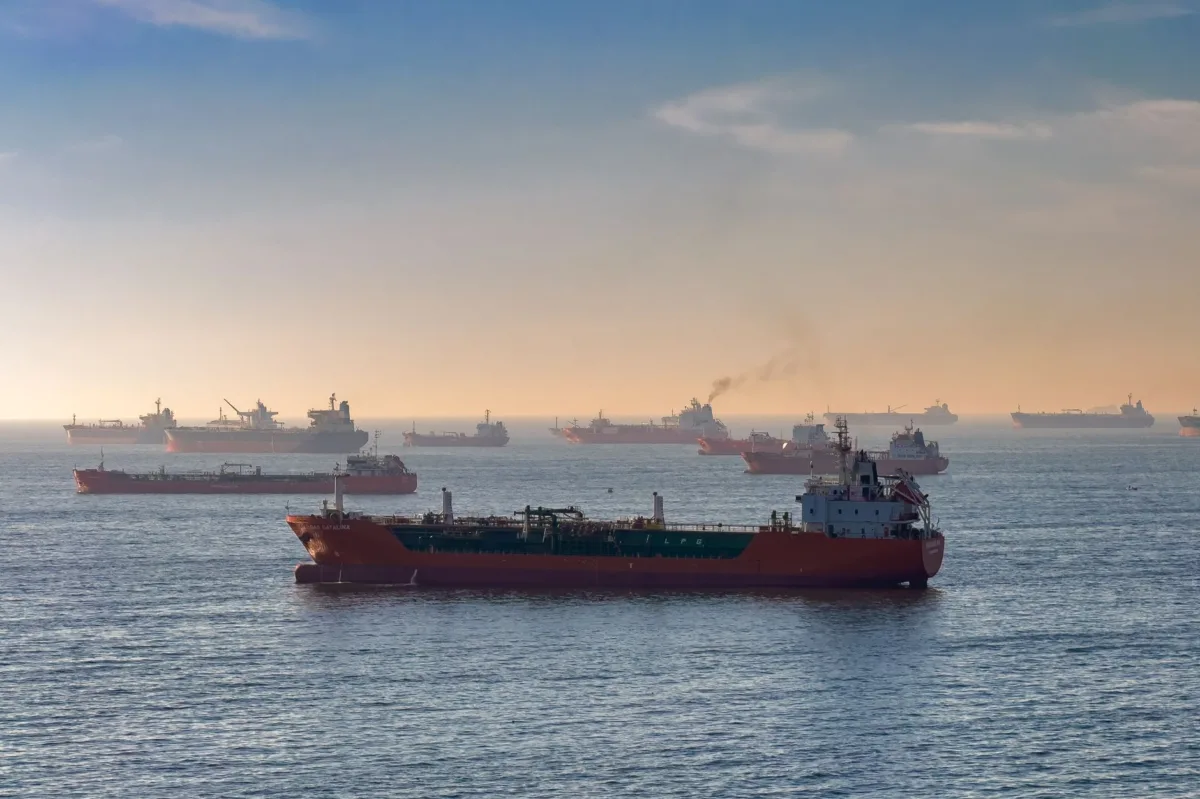
Tensions in West Asia reached a critical inflection point early Tuesday as the Iranian government announced the immediate, total closure of the Strait of Hormuz, a move that follows a series of direct military strikes conducted by U.S. forces against Iranian assets. The closure of this vital maritime chokepoint, through which approximately 20% of the world’s total petroleum consumption passes, occurred after a sharp escalation in regional skirmishes, triggering an immediate and significant spike in global energy prices.
The Strategic Significance of the Strait
The Strait of Hormuz serves as the world’s most important oil transit chokepoint. Stretching just 21 miles at its narrowest point, it connects the Persian Gulf with the Gulf of Oman and the Arabian Sea.
For decades, the waterway has been a flashpoint for geopolitical friction. International energy markets rely on the consistent flow of tankers departing from Saudi Arabia, Iraq, the UAE, and Kuwait to fuel the global economy.
Escalation of Military Hostilities
The current crisis follows a cycle of retaliatory actions between Washington and Tehran. Following public pledges from U.S. leadership to respond with force to regional provocations, American naval and air assets launched precision strikes targeting key military infrastructure within Iran.
In response, Iranian state media reported that the Revolutionary Guard has effectively shuttered the waterway, citing national security concerns. Reports from regional maritime authorities indicate that multiple commercial vessels have been ordered to reroute, creating immediate bottlenecks in international shipping lanes.
Expert Analysis and Market Reactions
Energy analysts warn that the closure represents the most severe disruption to global energy security since the 1973 oil crisis. “The market is currently pricing in a worst-case scenario,” noted a senior commodity strategist at a major investment firm. “If this closure persists for more than 48 hours, we are looking at a fundamental shift in global energy costs and supply chain logistics.”
Data from the International Energy Agency (IEA) confirms that any prolonged blockage of the Strait cannot be fully offset by existing pipeline capacity in the region. The lack of alternative routes means that global oil inventories will begin to deplete rapidly if the blockade remains in effect.
Industry and Geopolitical Implications
For the logistics and shipping industries, the immediate impact is a surge in insurance premiums and the necessity of rerouting cargo around the southern tip of Africa. This adds weeks to delivery schedules and significantly increases operational overhead for global trade.
The diplomatic community is now scrambling to de-escalate, with several nations calling for emergency UN Security Council meetings. The focus remains on whether the current military standoff will evolve into a broader, protracted regional conflict or if back-channel negotiations can establish a maritime corridor for commercial transit.
Observers are closely monitoring the movement of carrier strike groups in the region to determine if the U.S. will attempt to force the Strait open. Markets are expected to remain extremely volatile, with analysts watching for any signs of a diplomatic breakthrough or a further expansion of military engagements in the coming days.