







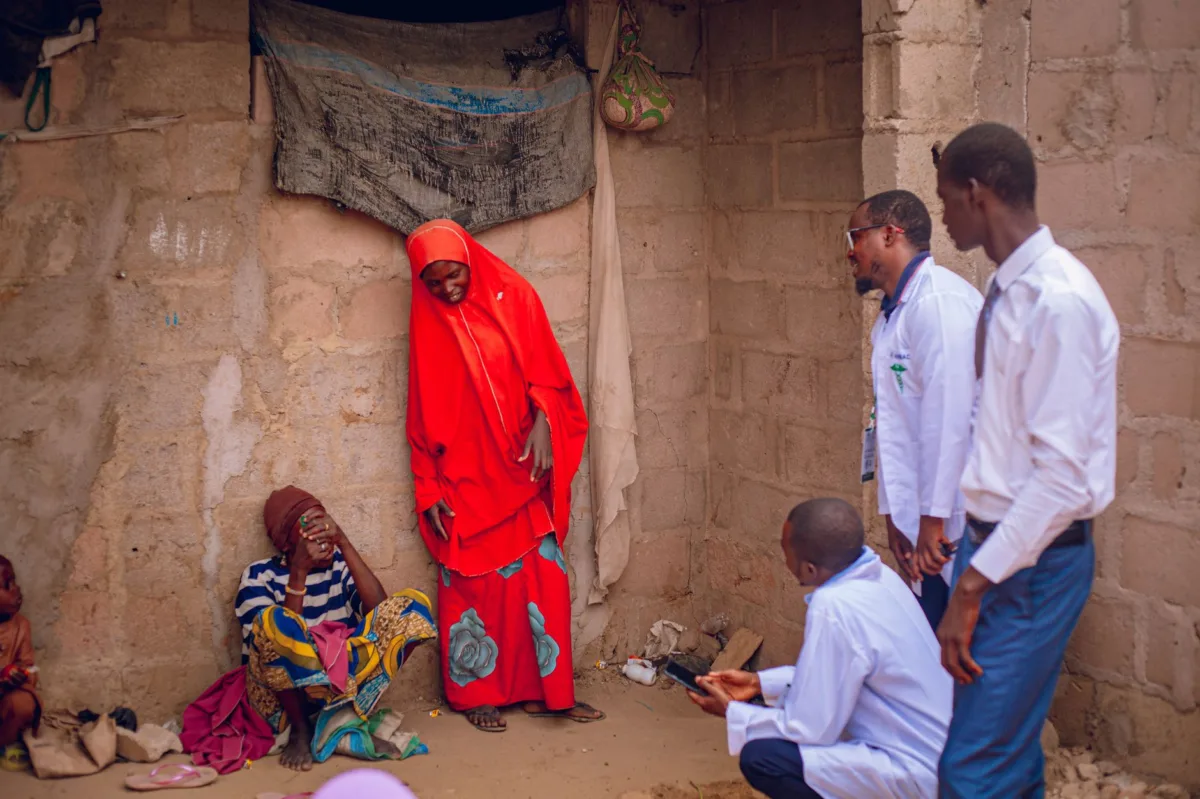
The Escalating Health Emergency
Health authorities in the Democratic Republic of the Congo (DRC) confirmed this week that the ongoing Ebola outbreak has reached 635 total cases, with the death toll climbing steadily alongside a small cohort of 30 documented recoveries. The surge, concentrated in the eastern provinces, represents a significant challenge for local health officials and international aid organizations who are struggling to contain the transmission of the deadly virus.
Context of the Outbreak
The current crisis follows a period of heightened volatility in the region, where health infrastructure has been strained by decades of conflict and limited resource allocation. The World Health Organization (WHO) has identified the strain as the Bundibugyo virus, which poses unique diagnostic and treatment challenges compared to previous outbreaks. This specific crisis has been exacerbated by the complex geographical terrain and the difficulty of maintaining a stable supply chain for necessary medical equipment.
Operational Challenges on the Frontline
Frontline medical teams are currently operating under extreme duress, reporting critical shortages of personal protective equipment (PPE). Recent field reports highlight a lack of basic supplies, including specialized footwear and adequate facial protection, which leaves healthcare workers at an elevated risk of infection while treating symptomatic patients. These logistical failures have forced aid agencies to re-evaluate their distribution strategies in high-risk zones.
Expert Analysis and Data
Epidemiologists tracking the progression of the virus note that the mortality rate remains a primary concern, with recent data from The Hindu indicating that death counts have hit the triple digits within a single month of intensive monitoring. Public health experts emphasize that the disparity between the number of confirmed cases and the number of successful recoveries underscores the urgent need for expanded access to experimental therapeutics and advanced isolation facilities.
Implications for Global Health
For the residents of the affected regions, this crisis signals a period of ongoing uncertainty regarding safety protocols and the availability of clinical care. For the global health industry, the situation serves as a stark reminder of the persistent gaps in rapid response capabilities within conflict-affected areas. The inability to secure basic medical assets highlights a systemic failure that threatens to prolong the outbreak duration significantly.
Future Outlook
Looking ahead, international health bodies are closely monitoring the effectiveness of current containment measures and the integration of community-led education programs. Stakeholders will be watching for increased funding commitments from global donors, which are considered essential to stabilizing the supply chain for protective gear. The success of future intervention efforts will depend heavily on whether aid organizations can improve their reach into remote, underserved, and frequently volatile communities.