







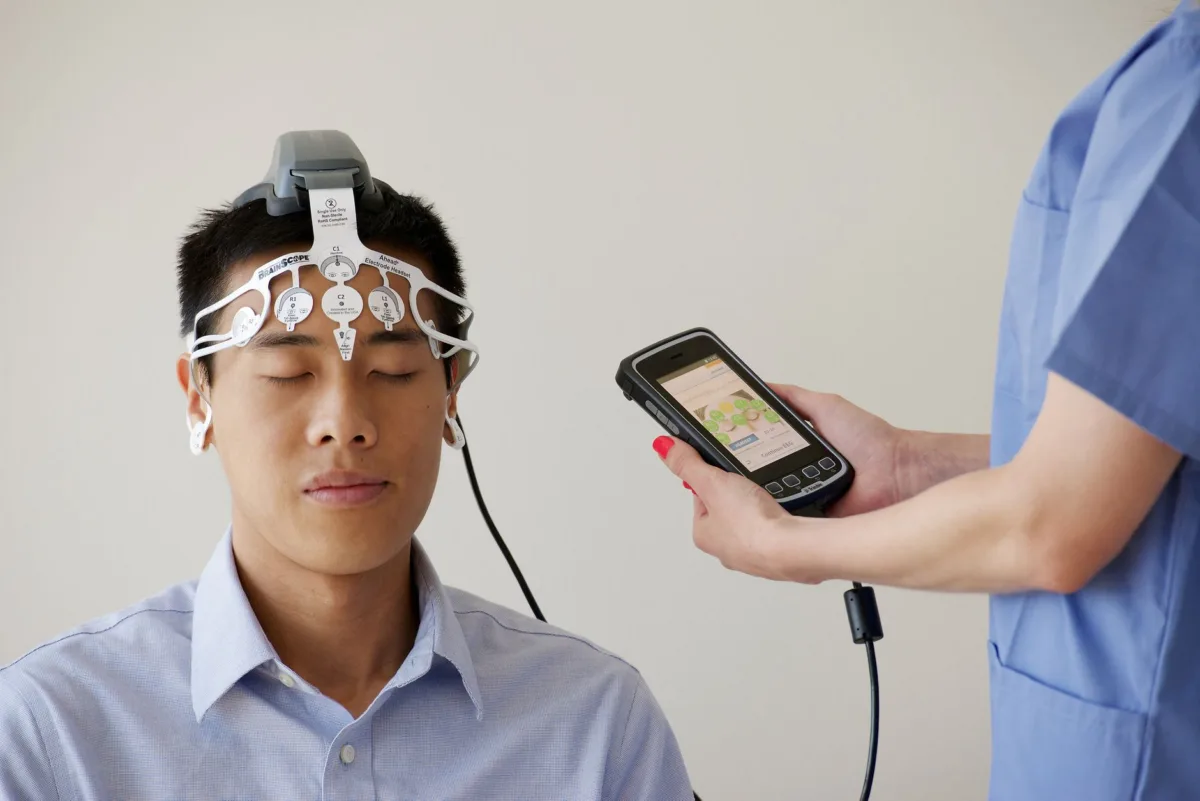
Researchers at the University of Cologne have identified Deep Brain Stimulation (DBS) as a potentially transformative intervention for patients suffering from severe, treatment-resistant Obsessive-Compulsive Disorder (OCD), according to recent findings published in the European Medical Journal. By targeting specific neural circuits in the brain, this surgical procedure offers a new clinical pathway for individuals who have failed to respond to traditional pharmacotherapy and cognitive behavioral therapy.
Understanding the Neurobiology of OCD
OCD is a chronic mental health condition characterized by intrusive thoughts and repetitive behaviors that significantly impair daily functioning. While selective serotonin reuptake inhibitors (SSRIs) and specialized therapy serve as the gold standard for treatment, approximately 30% to 40% of patients remain refractory to these conventional methods.
DBS functions by implanting electrodes into precise areas of the brain—most commonly the ventral striatum or the subthalamic nucleus. These electrodes deliver constant, high-frequency electrical impulses that modulate abnormal neural activity associated with compulsive cycles.
Clinical Efficacy and Patient Outcomes
Recent studies demonstrate that patients undergoing DBS often report a substantial reduction in the severity of their symptoms within months of activation. Clinical assessments, such as the Yale-Brown Obsessive Compulsive Scale (Y-BOCS), have shown marked improvements in patients who previously struggled to perform basic life tasks.
Dr. Elena Fischer, a lead researcher in neurological interventions, notes that the success of DBS lies in its ability to reset dysfunctional brain circuitry. “By stabilizing the communication between the prefrontal cortex and the deeper subcortical structures, we are effectively disrupting the loop that drives obsessive thought patterns,” Fischer stated.
Data indicates that while DBS is not a cure-all, it provides a functional bridge for patients to re-engage with conventional therapies. When combined with ongoing psychological support, the surgical intervention has been shown to improve overall quality of life and social integration.
Risk Profiles and Surgical Considerations
As an invasive procedure, DBS carries inherent risks, including potential surgical complications, infection, and the need for long-term battery management of the implanted pulse generator. Medical professionals emphasize that this treatment is currently reserved for the most severe cases where all other avenues have been exhausted.
The selection process for candidates is rigorous, involving multidisciplinary teams of psychiatrists, neurologists, and neurosurgeons. Patients must undergo extensive psychological screening to ensure they are prepared for the physiological and emotional adjustments required post-surgery.
Future Implications for Neuropsychiatry
The integration of neuro-technological interventions into mental health care represents a significant shift in how the medical community approaches complex psychiatric disorders. As device technology becomes more refined and miniaturized, the potential for personalized, closed-loop stimulation systems grows.
Researchers are now focusing on identifying biomarkers that can predict a patient’s response to DBS, which could allow for more tailored treatment protocols. Looking ahead, the focus will shift toward expanding access to these procedures and refining the anatomical targets to minimize side effects while maximizing therapeutic impact.
Industry experts suggest that as more longitudinal data becomes available, regulators may move to approve DBS for a wider range of treatment-resistant psychiatric conditions, potentially altering the landscape of mental health treatment over the next decade.