







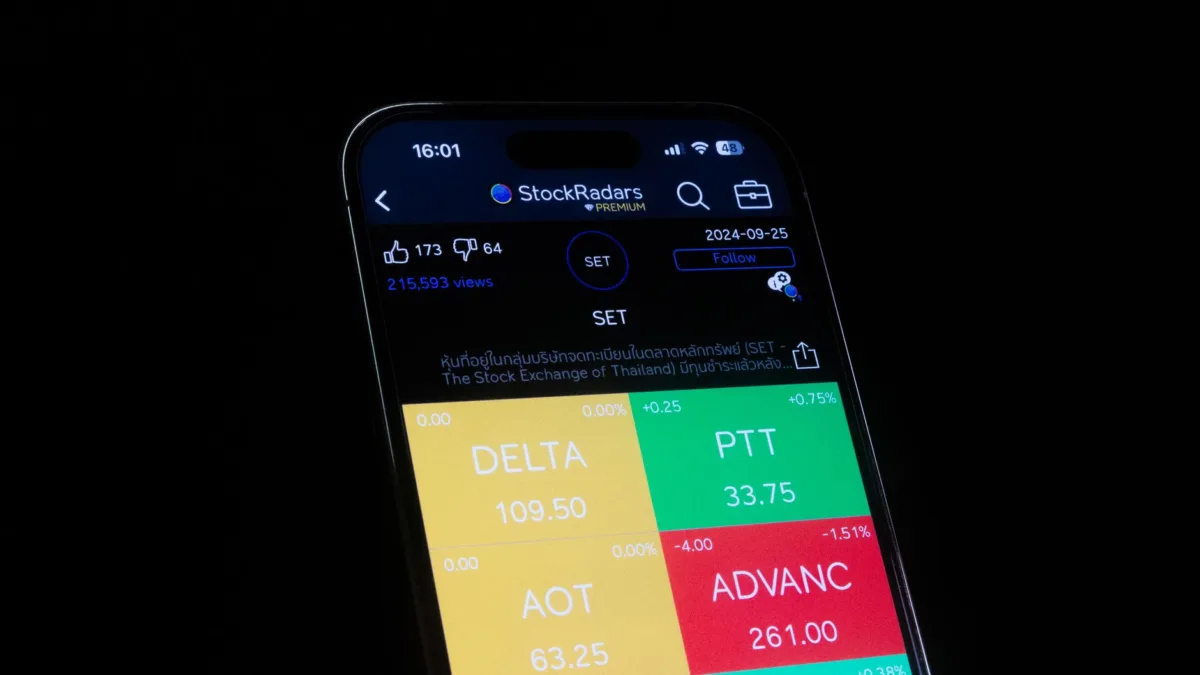
Global financial markets faced a sharp downturn on June 10, 2026, as the Dow Jones Industrial Average plummeted over 900 points, closing below the 50,000 threshold. The sell-off was triggered by a combination of escalating military strikes between the United States and Iran and surging domestic inflation data, which rose to 4.2%.
The Context of Market Volatility
Investors have been grappling with a dual-threat environment characterized by geopolitical instability and persistent economic headwinds. The conflict in the Middle East has reignited fears of supply chain disruptions, particularly regarding oil, which saw an immediate surge in price following statements from leadership regarding potential further retaliation.
Simultaneously, the release of the latest Consumer Price Index (CPI) data revealed inflation at 4.2%, exceeding analyst expectations. This development has put intense pressure on the Federal Reserve to maintain high interest rates, further dampening investor sentiment across major indices, including the S&P 500 and the Nasdaq.
Sector-Specific Pressures
The technology sector, particularly semiconductor manufacturers, bore the brunt of the market decline. A worsening chip sell-off exacerbated the losses, as investors retreated from high-growth assets in favor of safety. Analysts noted that the tech-heavy Nasdaq led the decline as supply chain anxieties compounded fears regarding future earnings reports, such as the upcoming figures from Oracle.
The energy sector saw a contrasting trend as oil prices spiked. However, this gain was largely offset by the broader market retreat, as investors worried that high energy costs would further fuel inflationary pressures, squeezing corporate margins and consumer purchasing power.
Expert Perspectives
Market strategists point to the ‘uncertainty premium’ currently being priced into equities. According to recent trading data, institutional investors have shifted heavily toward defensive positions, signaling a lack of confidence in a near-term resolution to the U.S.-Iran hostilities.
Economists suggest that the 4.2% inflation print serves as a critical indicator that the economy has not yet cooled sufficiently to meet central bank targets. This data point is expected to dominate the discourse in upcoming Federal Open Market Committee meetings, as the balance between curbing inflation and avoiding a recession becomes increasingly precarious.
Future Market Implications
The immediate outlook remains heavily dependent on diplomatic de-escalation in the Middle East and the subsequent volatility in energy markets. Investors are advised to watch for upcoming corporate earnings reports from major firms like Oracle, which will provide a clearer picture of how businesses are navigating the current cost-of-living and supply chain environment.
Looking ahead, market participants should monitor the Federal Reserve’s rhetoric following the latest CPI release, as any shift in policy stance will likely serve as the primary catalyst for the next major market movement. Continued volatility is expected as the intersection of geopolitical risk and macroeconomic instability remains unresolved.