






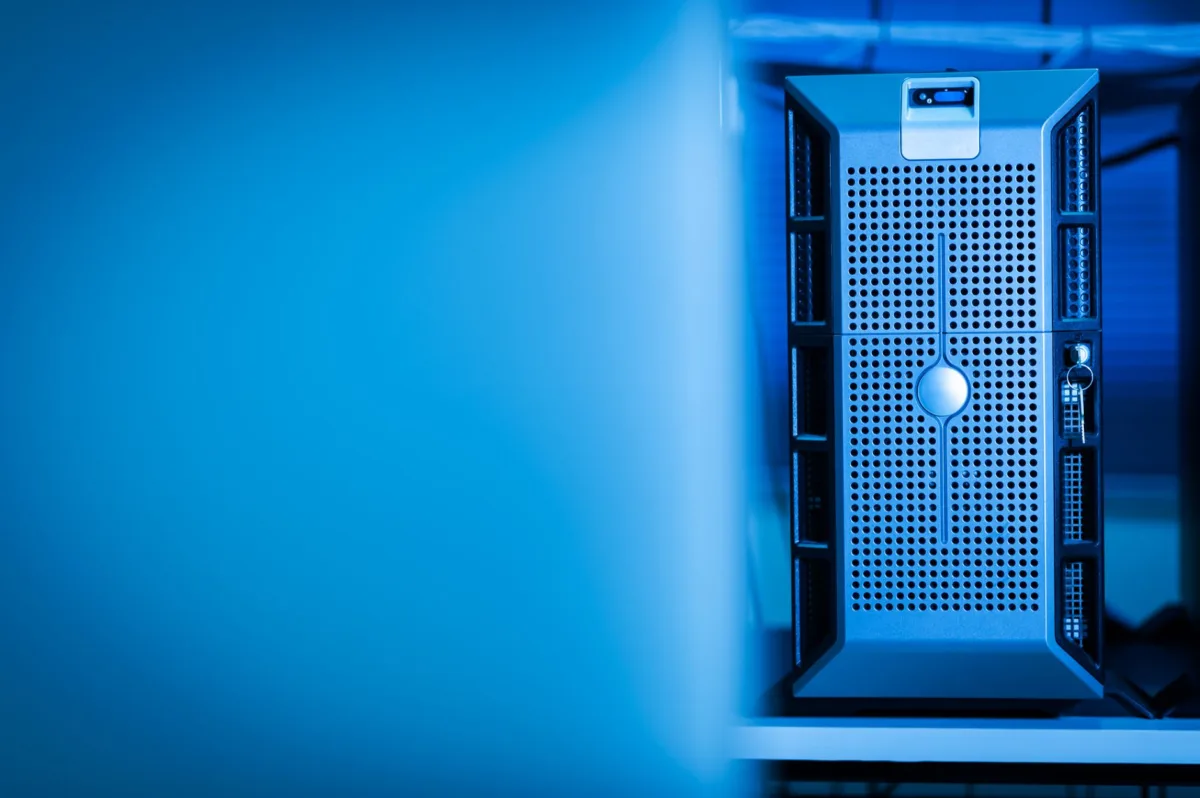
In an unprecedented shift within the global energy landscape, technology giants are increasingly turning to nuclear energy and natural gas to meet the surging electricity demands of artificial intelligence data centers. As of 2024, major tech firms are securing long-term power purchase agreements to ensure reliable, high-capacity energy, effectively bypassing traditional grid constraints to sustain the massive computational requirements of generative AI models.
The Infrastructure Bottleneck
The rapid expansion of AI has transformed electricity from a standard utility into the primary bottleneck for technological growth. According to recent projections from Gartner, global data center electricity consumption is expected to climb by 26% by 2026, forcing operators to seek unconventional energy solutions.
Traditional renewable sources, while environmentally desirable, often lack the 24/7 baseload reliability required for hyperscale data centers. Consequently, industry leaders are pivoting toward the stability of nuclear power and the scalability of natural gas to ensure that server farms remain operational without interruption.
Synergizing Nuclear and Gas
The strategic alliance between nuclear energy and natural gas represents a pragmatic approach to energy security. Nuclear power provides the carbon-free, constant baseload required to maintain consistent uptime, while natural gas acts as a flexible, fast-responding bridge that can scale up during peak demand periods.
Market analysts note that this hybrid model is becoming the gold standard for infrastructure investment. By integrating these two sources, data center operators can hedge against the volatility of the spot energy market while meeting increasingly stringent sustainability targets mandated by investors.
Expert Perspectives and Industry Data
Industry experts emphasize that the current “AI infrastructure supercycle” is unprecedented in its scale. Data from the International Energy Agency indicates that if current growth trends hold, the energy load of the digital sector could rival the total consumption of entire mid-sized nations within the next decade.
“The constraint is no longer the silicon; it is the electron,” noted one industry analyst. This shift is driving a global digital transition that forces stakeholders to rethink energy resilience and the physical location of computational hubs, moving them closer to reliable power generation sites.
Implications for the Future
For the broader energy industry, this trend signals a renewed period of investment in legacy power generation. We are likely to see a surge in small modular reactor (SMR) development and a revitalization of natural gas pipeline infrastructure specifically dedicated to industrial tech parks.
Looking ahead, the primary metric for tech valuation may soon become the energy capacity of a company’s infrastructure portfolio rather than just its software capabilities. Observers should monitor upcoming regulatory approvals for nuclear-adjacent data centers and the impact these massive energy draws will have on local grid pricing for residential consumers.