









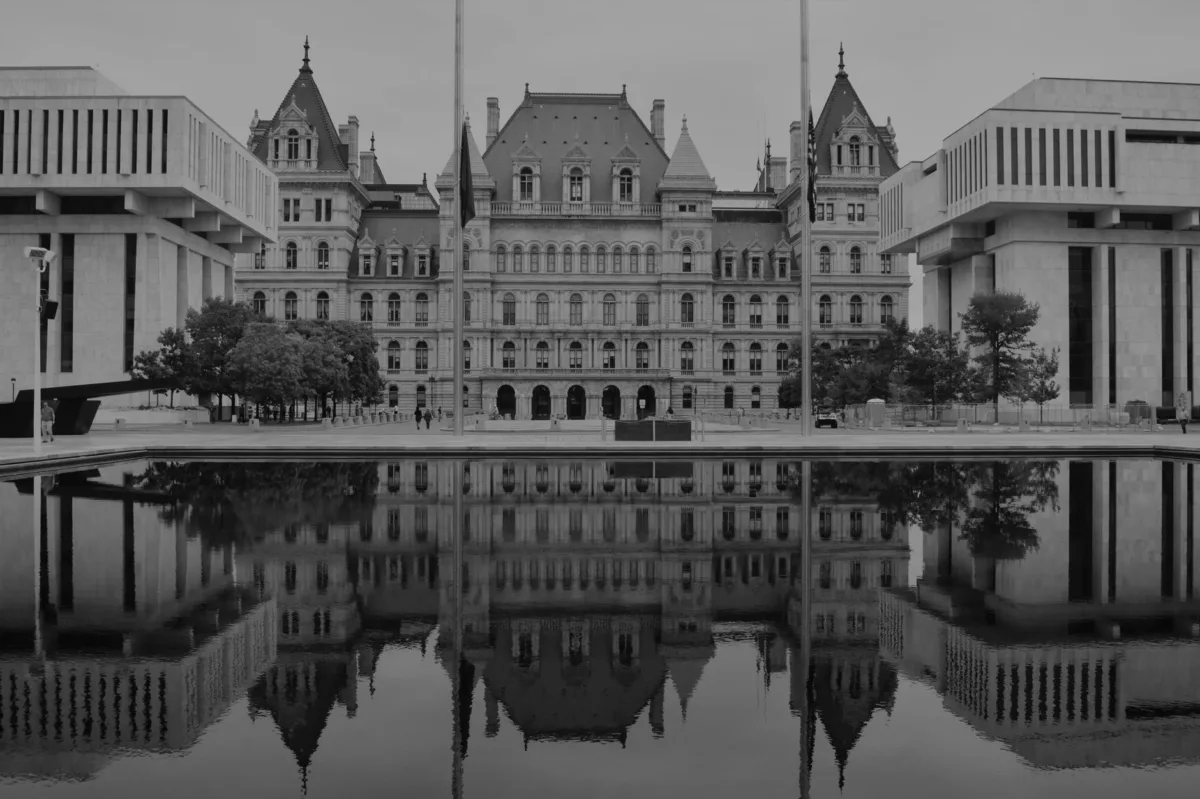
Legislative Maneuvering in Albany
New York Democrats are advancing a series of legislative measures aimed at reshaping the state’s redistricting process and controlling the language of future ballot referenda. This strategic push, unfolding in the final weeks of the legislative session in Albany, seeks to grant the state Legislature greater authority over how electoral maps are drawn and how constitutional questions are presented to voters.
Contextualizing the Redistricting Shift
The movement follows recent Supreme Court rulings that have fundamentally altered the landscape of redistricting across the United States. New York Democratic leaders, including Assembly Speaker Carl Heastie, argue that these federal changes necessitate a more aggressive approach to ensure the state remains competitive. By seeking to eliminate a ban on lines drawn to favor political parties, proponents believe they are leveling the playing field against political counterparts in other states.
Controversy Over Ballot Language
Beyond mapmaking, Democrats are pushing a bill to strip the bipartisan Board of Elections of its long-standing power to determine the wording of ballot questions. Under current law, the Board—comprised of two Democratic and two Republican commissioners—reviews language suggested by the attorney general. If the new measure passes, the Legislature would assume control over these descriptions, a move that critics suggest could lead to biased or misleading ballot summaries.
State Sen. Jack Martins, a Nassau County Republican, has emerged as a vocal opponent, characterizing the effort as a partisan attempt to manipulate the electoral process. Conversely, Senate Deputy Leader Mike Gianaris contends that the Legislature, as an elected body, is the most appropriate entity to define the scope of proposals, noting that the current evenly-divided board can lead to procedural gridlock.
Industry and Policy Implications
The implications of these changes extend far beyond the state capital. If approved by voters in next year’s referendum, the constitutional amendment would effectively authorize mid-decade congressional map changes, potentially shifting the balance of power in New York’s federal delegation by 2028. House Minority Leader Hakeem Jeffries has publicly supported the initiative, framing it as a necessary response to national voting rights challenges.
Simultaneously, the legislative session has seen progress on other fronts, including a proposed one-year moratorium on new artificial intelligence data centers, though environmental legislation regarding packaging has stalled due to cost concerns. As lawmakers prepare for the upcoming election cycle, the focus remains on whether these procedural changes will successfully consolidate power or face significant pushback from voters concerned about transparency and partisan influence.
Moving forward, observers are watching for the final vote counts on the redistricting amendment and whether the proposed ballot language bill gains enough support to bypass traditional bipartisan oversight. The outcome of these legislative efforts will likely set a precedent for how New York navigates the intersection of state constitutional law and national electoral strategy in the years to come.