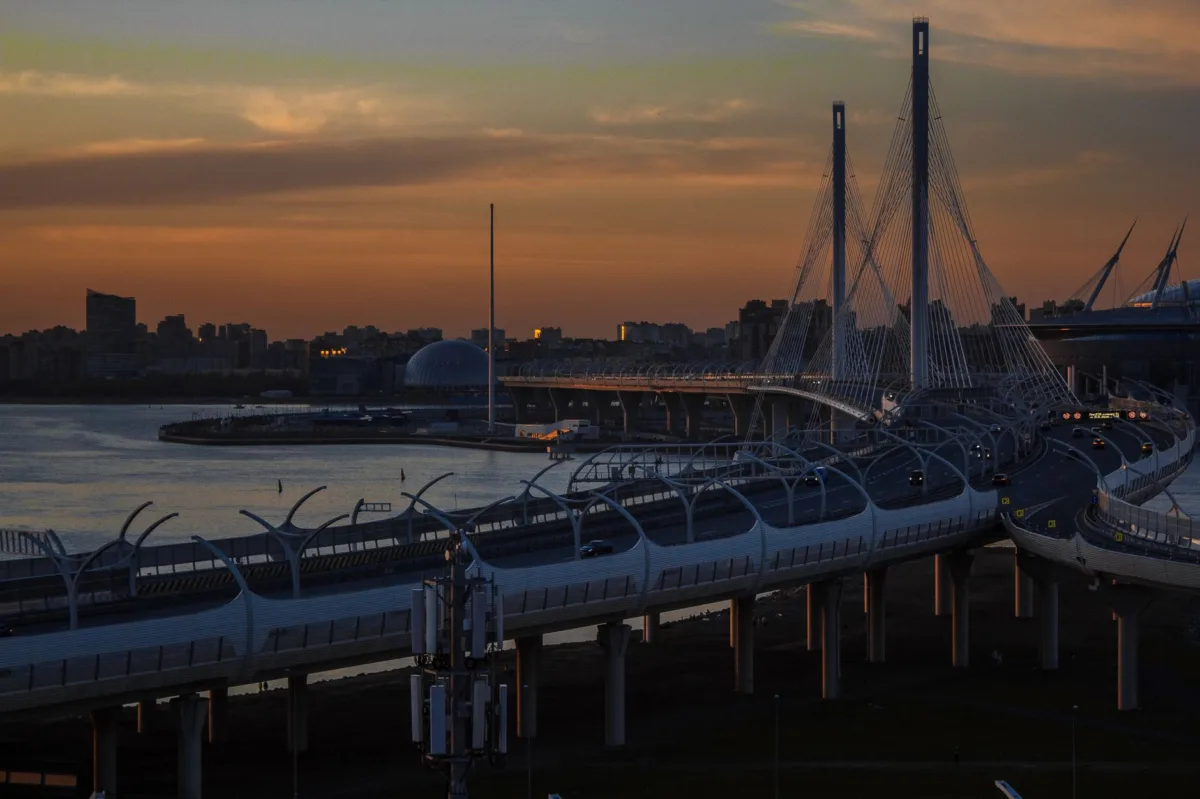










The Canadian government, in coordination with United States officials, announced this week a strategic decision to postpone the opening of the Gordie Howe International Bridge. The massive infrastructure project, which spans the Detroit River to link Windsor, Ontario, and Detroit, Michigan, remains partially incomplete as both nations navigate ongoing bilateral trade frictions and logistical complexities.
A Vital Economic Artery
The Gordie Howe International Bridge is designed to serve as the most significant expansion of the Detroit-Windsor trade corridor in decades. Currently, the Ambassador Bridge handles approximately 25 percent of all Canada-U.S. trade, making it a critical choke point for the automotive, manufacturing, and agricultural industries.
Construction on the bridge began in 2018 with a primary goal of alleviating congestion and streamlining cross-border logistics. The project includes a new port of entry on both sides of the border, featuring state-of-the-art inspection technology to expedite commercial traffic.
Navigating Trade and Policy Headwinds
The delay comes at a sensitive time for North American trade relations. Recent protectionist rhetoric and debates surrounding the United States-Mexico-Canada Agreement (USMCA) have created a complex diplomatic environment for large-scale infrastructure integration.
While officials have cited construction schedules and site integration as the primary technical reasons for the delay, industry analysts suggest that the political climate plays an unspoken role. Trade experts note that major border projects often become leverage points during broader negotiations over tariffs, supply chain security, and national labor standards.
Industry Impact and Economic Stakes
Business leaders on both sides of the border expressed concern over the postponement, citing the urgent need for expanded capacity. Data from the Detroit Regional Chamber indicates that millions of dollars in daily trade are currently subject to the limitations of existing, aging infrastructure.
“The delay represents a significant loss in potential efficiency gains for the automotive sector,” said Dr. Elena Rossi, a senior trade economist. “Supply chains are currently operating on thin margins, and any uncertainty regarding the timeline for new capacity forces companies to maintain higher, more expensive inventory levels.”
Labor unions involved in the project have also raised questions regarding the revised completion timeline. Thousands of workers are currently employed on the site, and the extension of the construction phase requires complex renegotiations of labor contracts and site safety management protocols.
Looking Ahead
As the project enters this extended phase, stakeholders are closely monitoring bilateral discussions in Washington and Ottawa. The next phase of the project will focus on the final integration of automated border processing systems and the completion of the connecting highway infrastructure in Michigan.
Observers should watch for upcoming joint statements from the Windsor-Detroit Bridge Authority and the U.S. Department of Transportation, which are expected to outline a revised, firm opening date by the third quarter of this year. The success of this transition will serve as a bellwether for future cross-border infrastructure cooperation in an increasingly volatile global trade environment.