









The Return of a Devastating Pest
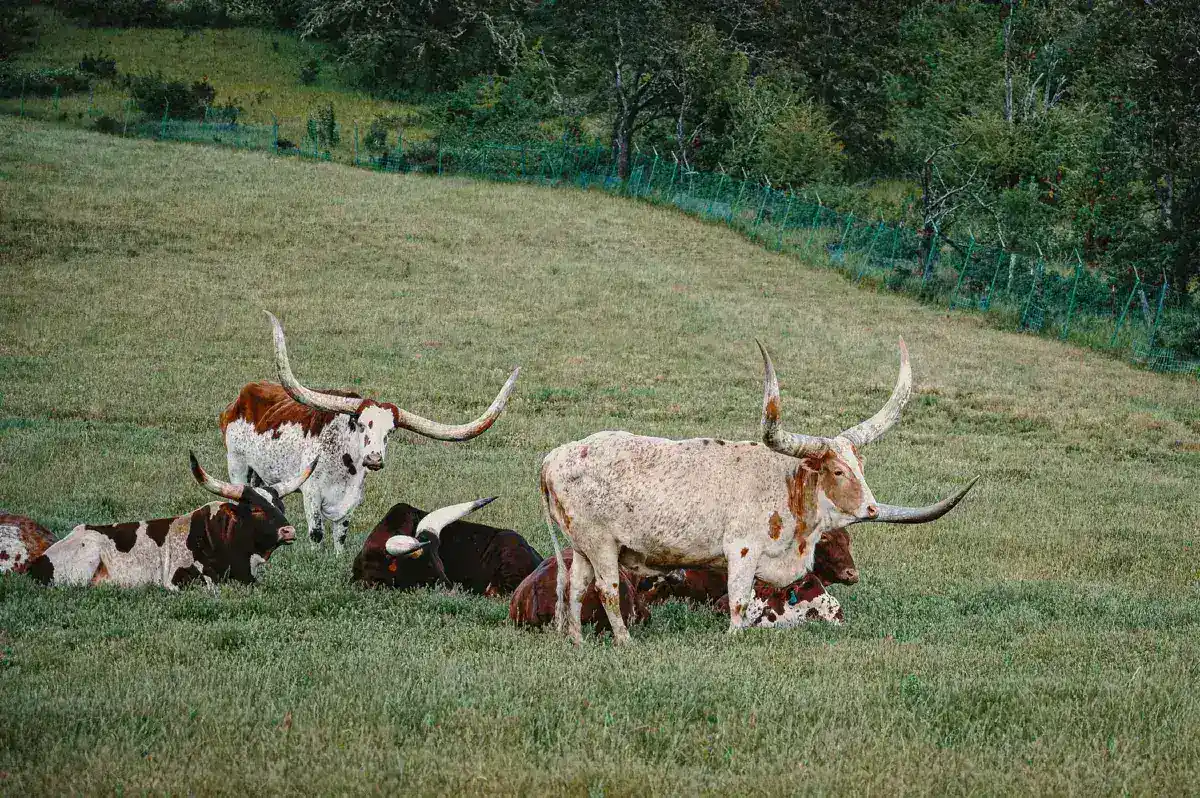
The reappearance of the New World screwworm in Texas has triggered an urgent federal response and a heated political debate, as state officials and federal agencies scramble to contain an outbreak that threatens the state’s multi-billion-dollar cattle industry. The parasite, which feeds on the living tissue of warm-blooded animals, was confirmed in livestock earlier this year, marking a significant return of a pest that was officially eradicated from the United States decades ago.
Understanding the Screwworm Threat
The New World screwworm (Cochliomyia hominivorax) is a fly species that lays eggs in open wounds on animals. Upon hatching, the larvae burrow into the host’s flesh, causing severe tissue damage, secondary infections, and, if left untreated, death. The U.S. successfully eradicated the screwworm in 1966 through the release of sterile male flies, a program that became a global gold standard for agricultural pest control.
Political Fallout and Oversight
As the Texas Department of Agriculture works alongside the USDA to deploy containment measures, political leaders have begun questioning the efficacy of current border security and agricultural inspection protocols. State lawmakers have pointed toward gaps in international agricultural monitoring, while federal officials maintain that the outbreak is being managed within established biosecurity frameworks.
Critics argue that reduced funding for agricultural surveillance and porous borders have allowed the parasite to migrate north from Central and South America. Conversely, supporters of the current administration highlight that the screwworm is highly mobile and that climate-driven migration patterns are often difficult to predict or intercept with traditional containment barriers.
Industry and Economic Impact
The Texas cattle industry, which accounts for over $12 billion in annual economic impact, remains on high alert. Industry groups are urging producers to perform daily inspections of livestock to catch infestations early, as the cost of treatment and potential loss of herd value could be catastrophic for small-scale ranchers. Data from the Texas Animal Health Commission suggests that while the current number of confirmed cases remains in the double digits, the window for containment is rapidly narrowing.
Agricultural economists note that a sustained outbreak could lead to increased costs for veterinary care and mandatory quarantine procedures. These overheads threaten to disrupt supply chains, potentially affecting beef prices if the infestation spreads to major feedlots in the Panhandle region.
Future Implications for Biosecurity
What remains to be seen is how federal and state agencies will adjust their long-term strategies for agricultural border protection. Observers are watching for potential increases in funding for the Sterile Insect Technique (SIT) facilities and enhanced surveillance at ports of entry. As the summer months bring warmer temperatures, the biological activity of the screwworm is expected to peak, testing the resilience of current containment efforts and the ability of stakeholders to move beyond partisan finger-pointing to secure the agricultural supply chain.