







The Incident at Sea
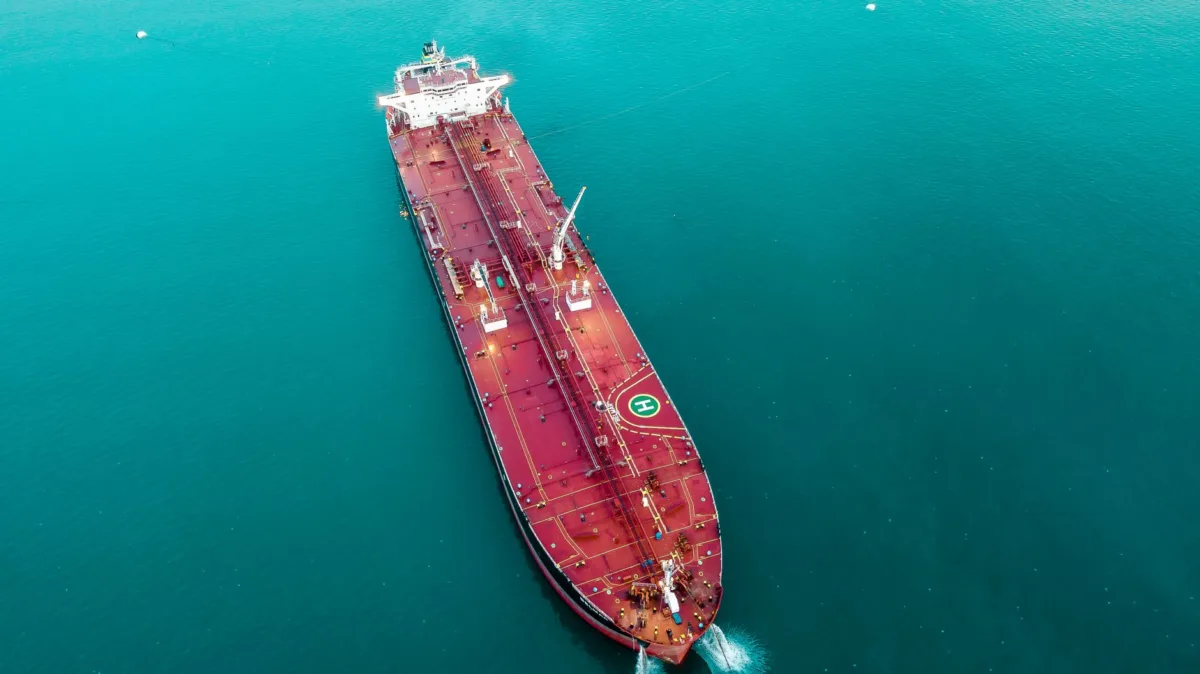
Two Indian seafarers have been confirmed dead and one remains missing following a targeted U.S. military strike on a merchant vessel off the coast of Oman this week, according to reports from the Indian National Shipowners’ Association and local labor unions. The incident, which occurred in the high-traffic waters near the Strait of Hormuz, has triggered an immediate diplomatic crisis between New Delhi and Washington, prompting the Indian government to issue a formal demarche to the U.S. Deputy Chief of Mission.
Context of Regional Maritime Security
The Strait of Hormuz remains one of the world’s most critical maritime chokepoints, through which a significant portion of the global oil supply flows. In recent months, the region has seen a surge in military activity due to heightened tensions, leading to increased patrols by various international naval forces. This specific attack occurred amidst a broader U.S.-led campaign to secure commercial shipping lanes from perceived threats, though this particular strike has raised questions regarding operational intelligence and the safety of neutral merchant crews.
Diplomatic Fallout and Official Response
The Indian Ministry of External Affairs summoned the U.S. Deputy Chief of Mission in New Delhi to lodge a strong protest over the loss of Indian lives. Officials characterized the incident as a grave violation of the safety protocols expected for civilian merchant vessels operating in international waters. The summons reflects India’s growing assertiveness in protecting its maritime workforce, which makes up a substantial portion of the global merchant navy.
Operational Challenges and Industry Impact
Industry analysts point out that the incident highlights the extreme risks faced by crews operating in militarized maritime zones. Maritime security experts suggest that the “fog of war” often leads to misidentification of vessels, particularly in areas where surveillance systems are saturated by both state and non-state actors. With three Indian sailors directly affected, shipping companies are now reviewing their transit routes and insurance premiums for vessels operating in the Arabian Sea.
Data and Safety Concerns
Data from the International Maritime Organization (IMO) indicates that attacks on commercial vessels have reached a multi-year high, complicating the logistics of global trade. Shipowners’ unions are calling for clearer communication channels between naval forces and commercial operators to prevent further casualties. The loss of life in this incident is being cited by labor advocates as a primary failure in de-confliction procedures between allied military forces and civilian merchant ships.
Looking Ahead
Observers are now closely monitoring whether the U.S. will release a detailed investigation into the strike or provide compensation to the families of the deceased. The incident is expected to dominate upcoming bilateral security dialogues, with India likely to demand enhanced safety guarantees for its nationals working on international tankers. Future naval operations in the region will likely face increased scrutiny regarding their adherence to international maritime law and the protection of non-combatant crews.