






The Discovery and Immediate Aftermath
Tensions in the conflict-ridden state of Manipur reached a critical juncture this week as authorities recovered the bodies of six individuals, including women and children, in the Jiribam district. The victims, who belonged to the Naga community, had been abducted over a month prior, sparking widespread outrage and immediate civil unrest across the region.
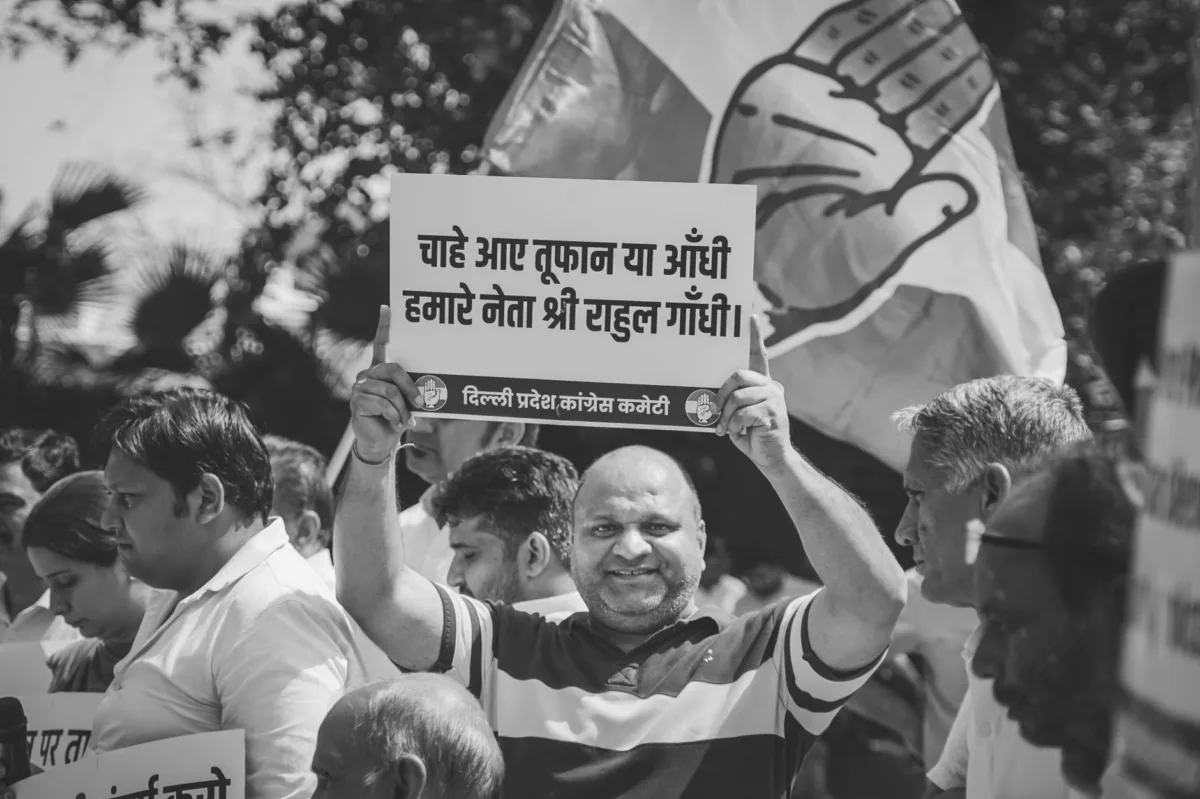
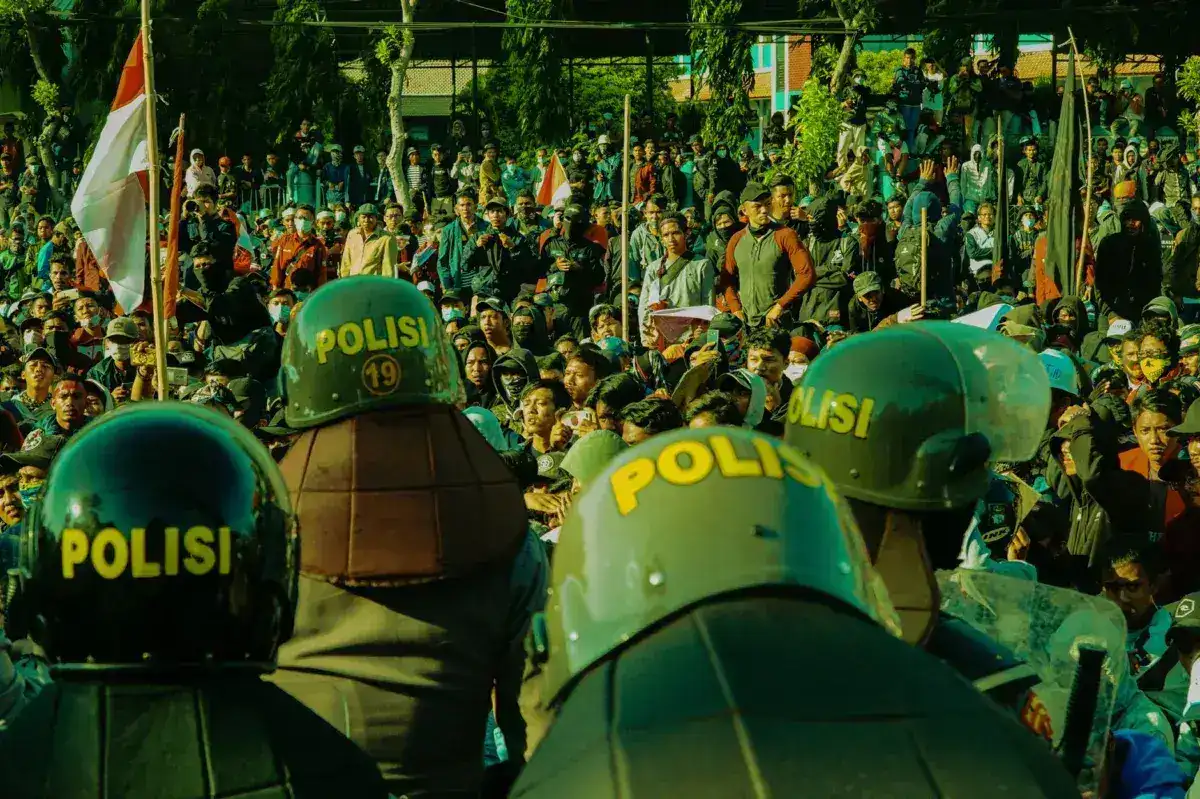
Following the discovery, Naga advocacy groups have initiated a series of protests and called for a state-wide shutdown to express their grief and anger. Demonstrators are specifically demanding the immediate removal of the Deputy Chief Minister, alleging administrative failure in protecting vulnerable populations during the ongoing ethnic turmoil.
Context of the Conflict
Manipur has been engulfed in violent ethnic clashes since May 2023, primarily between the Meitei and Kuki communities. The state has faced prolonged periods of instability, characterized by arson, displacement, and cycles of retaliation that have strained the local law enforcement and administrative machinery.
The kidnapping of these six individuals occurred amidst this broader backdrop of communal strife. The Jiribam district, which had previously remained relatively insulated from the worst of the violence, has become a new flashpoint for militant activity and hostage-taking incidents.
Current Developments and Official Response
The recovery of the bodies occurred just one day after 14 Kuki individuals were released, an event that had initially sparked hope for a de-escalation of tensions. Instead, the discovery of the deceased hostages has intensified calls for a more robust security intervention from both state and federal authorities.
Manipur Chief Minister Khemchand Singh addressed the public yesterday, asserting that the state government will not remain a “mute spectator” to such atrocities. The administration has promised a thorough investigation into the abduction and subsequent murders, though local leaders remain skeptical regarding the timeline for justice.
Expert Perspectives and Data
Security analysts note that the complexity of the Manipur crisis lies in the proliferation of armed groups and the breakdown of traditional inter-community dialogue. Data from humanitarian organizations indicates that thousands remain displaced in relief camps, creating a fertile ground for radicalization and recruitment by fringe factions.
Human rights observers emphasize that the failure to secure the release of hostages alive highlights a systemic gap in intelligence and rapid response capabilities. Without a centralized, neutral mediation process, experts warn that the cycle of violence is likely to persist as trust in state institutions continues to erode.
Implications for the Future
The escalation poses significant challenges for regional stability, as the Naga community’s involvement adds another dimension to an already binary conflict. Observers are now watching closely to see if the central government will impose stricter measures, such as an expansion of the Armed Forces Special Powers Act (AFSPA) or a complete restructuring of the state’s security apparatus.
Investors and regional stakeholders are bracing for further supply chain disruptions and movement restrictions as protest leaders threaten to extend the shutdown if their demands remain unmet. The primary concern moving forward is whether the state can prevent further retaliatory killings, which would threaten to draw in neighboring regions and prolong the humanitarian crisis indefinitely.