







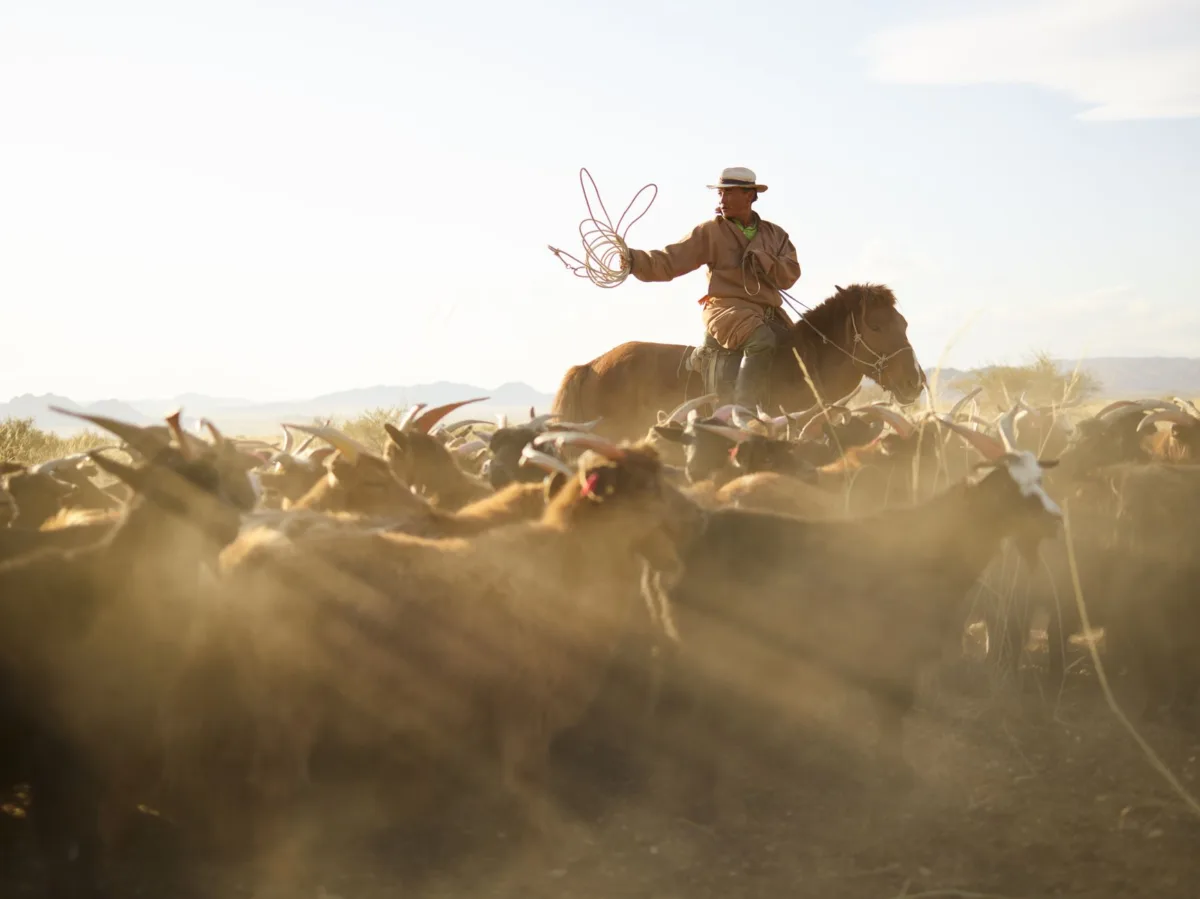
Mongolian veterinary authorities have culled more than 1,200 livestock animals this week following a significant outbreak of foot-and-mouth disease (FMD) in the country’s western provinces. The emergency measure, aimed at preventing the viral spread across the nation’s vital pastoral economy, follows reports of confirmed cases that have triggered strict quarantine protocols and heightened surveillance across affected districts.
Understanding the Threat of Foot-and-Mouth Disease
Foot-and-mouth disease is a highly contagious viral infection that affects cloven-hoofed animals, including cattle, sheep, goats, and swine. While it does not pose a direct threat to human health, it is considered one of the most economically devastating livestock diseases globally due to its rapid transmission rate and the resulting trade restrictions.
In Mongolia, where animal husbandry constitutes a cornerstone of the national economy and traditional nomadic lifestyle, an uncontrolled outbreak can lead to catastrophic losses. The virus causes severe fever, lameness, and blistering in the mouth and on the feet, rendering animals unable to graze or move effectively.
Emergency Response and Containment Strategies
The decision to cull 1,200 animals reflects the severity of the current containment strategy employed by the Mongolian General Authority for Veterinary Services. Officials have established movement restrictions in the western regions, effectively halting the transport of livestock to prevent the pathogen from reaching major distribution hubs.
Local governments are conducting mass vaccinations and disinfecting contaminated zones to break the chain of transmission. According to Xinhua, neighboring provinces have intensified their preparedness measures, increasing border patrols and veterinary inspections to monitor for any signs of infection in previously unaffected herds.
Economic and Industry Implications
The livestock sector accounts for a significant portion of Mongolia’s GDP, with millions of animals serving as the primary source of income for rural households. The loss of 1,200 animals, while localized, sends a ripple effect through the agricultural supply chain, impacting domestic meat prices and potential export markets.
Agricultural economists note that outbreaks of this nature often lead to the imposition of international trade bans on meat products from the affected nation. Mongolia, which has been working to expand its livestock exports to international markets, faces a critical period where the speed of eradication will determine the duration of these trade barriers.
Future Outlook and Monitoring
The coming weeks will be decisive as authorities assess whether the quarantine measures have successfully insulated the rest of the country from the outbreak. Observers are closely watching for updates on the efficacy of the current vaccination campaign and the potential for the virus to cross provincial boundaries.
Industry experts suggest that the long-term solution for Mongolia involves modernizing its veterinary infrastructure and implementing digital tracking systems for livestock movement. Monitoring the effectiveness of these containment efforts will provide a roadmap for future regional disease management strategies in the Central Asian steppes.