






Emerging Trends in Neurological Health
Oncologists and neurologists globally are reporting an uptick in brain tumour diagnoses among younger adults, prompting urgent calls for increased awareness regarding early warning signs. While historically categorized as a condition primarily affecting older populations, recent clinical observations suggest a shift in patient demographics, leading medical professionals to emphasize that persistent neurological symptoms warrant immediate professional evaluation rather than self-medication.
Understanding the Clinical Context
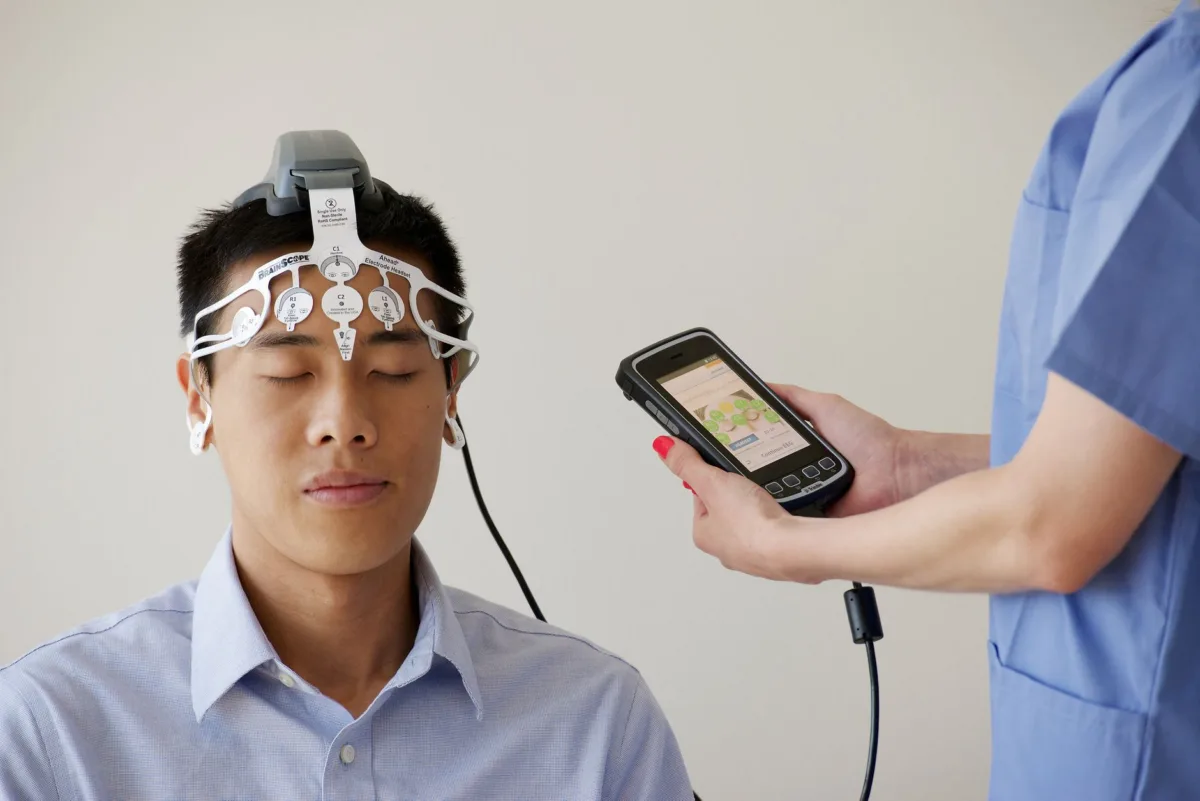
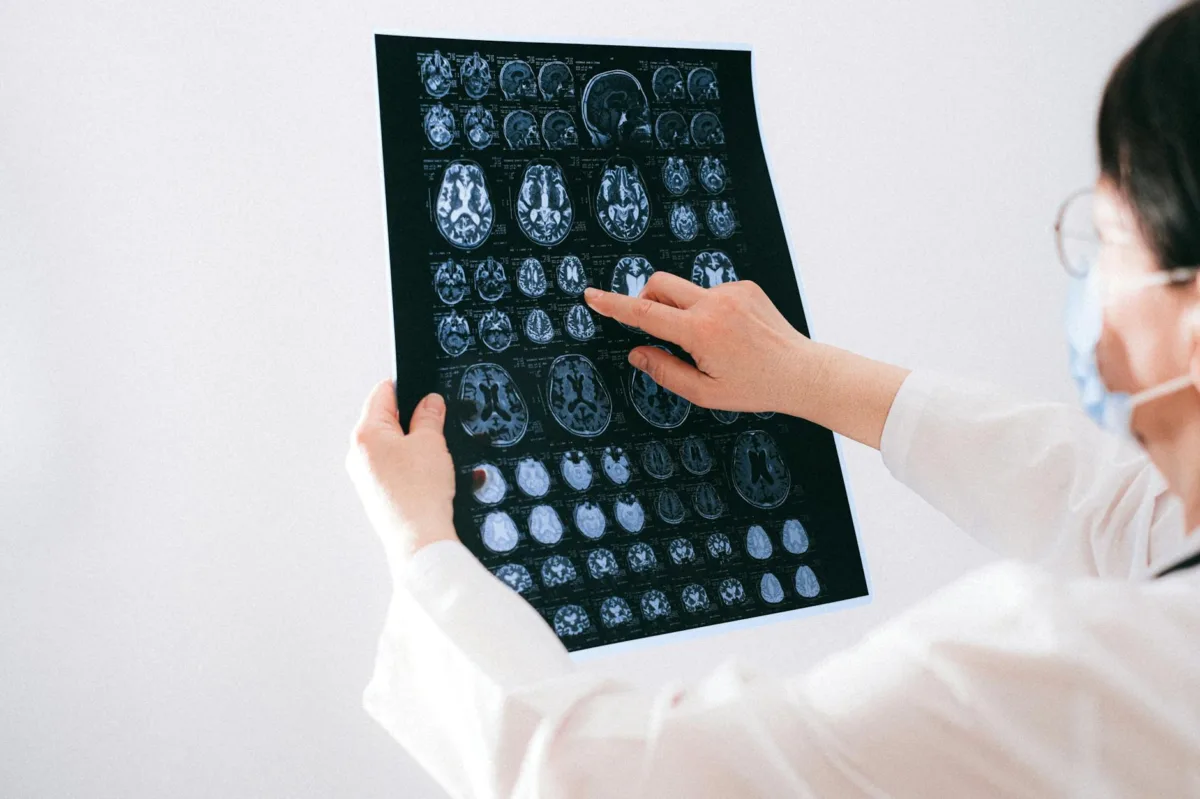
The rise in reported cases has sparked significant discourse within the medical community regarding the intersection of diagnostic technology and environmental factors. Modern neuroimaging techniques, including advanced MRI and CT scans, are now more accessible, allowing clinicians to detect anomalies earlier than in previous decades. However, experts caution that increased detection rates do not fully account for the clinical trend, leading to ongoing research into lifestyle, genetic, and environmental variables that may influence tumour development in younger cohorts.
Identifying Critical Warning Signs
Medical experts highlight that many patients initially dismiss early indicators as routine stress or fatigue. Common symptoms that demand clinical attention include persistent, unexplained headaches that often worsen in the morning or occur alongside nausea and vomiting. Neurologists also point to subtle shifts in cognitive function, such as sudden personality changes, unexplained seizures in individuals without a prior history, and persistent localized weakness or numbness in the limbs.
Dr. Smitha Reddy, a leading neurologist, emphasizes that the danger lies in the normalization of discomfort. ‘Many people rely on over-the-counter painkillers to mask symptoms that are actually signaling a deeper neurological issue,’ she notes. She asserts that diagnostic clarity is essential, as early intervention significantly improves the efficacy of surgical and oncological treatment protocols.
Debunking Persistent Myths
Despite increased medical coverage, public perception remains clouded by misinformation. Experts are actively working to dismantle myths, such as the belief that all brain tumours are terminal or that mobile phone usage is a primary, proven cause of all intracranial growths. By addressing these misconceptions, oncologists hope to reduce the psychological barrier that often prevents younger patients from seeking timely testing.
Implications for Future Diagnostics
This shift in patient demographics necessitates a change in how primary care providers screen younger patients presenting with chronic headaches. As the industry moves forward, health systems may see a greater emphasis on integrated neuro-oncology awareness programs. Observers should look for further data on whether this trend reflects a genuine increase in incidence or an improvement in diagnostic sensitivity, as this distinction will shape future public health policies and preventative screening recommendations for younger adults.