






The Shift in India’s Economic Trajectory
As Prime Minister Narendra Modi approaches the tenure record of India’s first Prime Minister, Jawaharlal Nehru, the nation is reflecting on 12 years of significant economic shifts. Since taking office, the Modi administration has prioritized infrastructure development, digital integration, and aggressive policy reforms designed to cement India’s position as a global economic powerhouse.
Context of a Changing Landscape
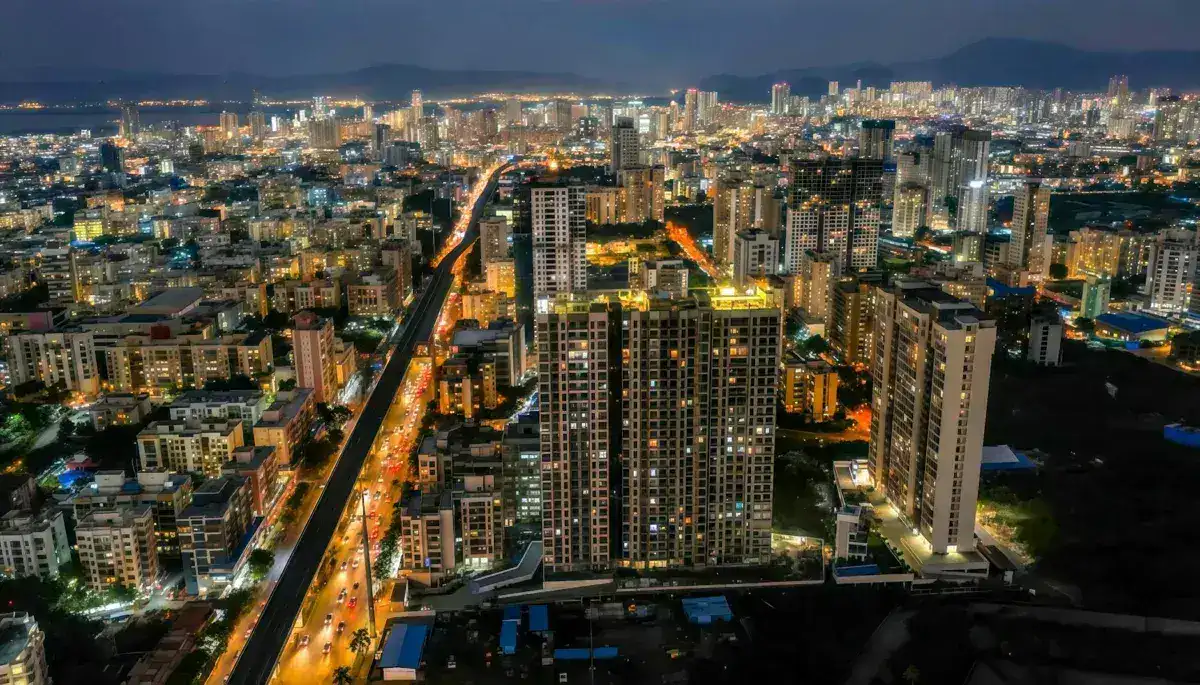
India’s economic landscape has undergone a profound metamorphosis over the last decade. Moving away from traditional bureaucratic processes, the government introduced structural changes such as the Goods and Services Tax (GST) and the Insolvency and Bankruptcy Code (IBC) to streamline business operations. These initiatives were framed as essential steps to move India from an emerging market to a manufacturing and digital hub.
Infrastructure and Digital Expansion
A cornerstone of the current administration’s policy has been the infusion of ‘speed and scale’ into public welfare and infrastructure schemes. Massive investments in national highways, railways, and renewable energy projects have aimed to lower logistics costs and improve connectivity across the subcontinent.
Simultaneously, the ‘Digital India’ initiative has expanded financial inclusion to millions of citizens. According to government data, the rapid adoption of Unified Payments Interface (UPI) has revolutionized the informal economy, digitizing transactions and formalizing a large segment of small-scale commerce that previously operated outside the banking system.
Expert Perspectives on Growth
Economic analysts point to the rise of India’s foreign direct investment (FDI) inflows as a key metric of this 12-year period. While global headwinds have challenged supply chains, India has maintained a resilient growth trajectory, frequently outpacing other major economies in GDP expansion.
Critics, however, highlight that while macro-level growth has been robust, challenges remain regarding employment generation and wealth inequality. The focus on capital-intensive infrastructure, while beneficial for long-term growth, has sparked ongoing debates about the speed at which these benefits trickle down to the labor-intensive sectors of the economy.
Implications for the Future
The transition toward becoming the world’s third-largest economy remains the central objective for policymakers. As the administration enters this historic phase of its tenure, the focus is expected to shift toward sustaining growth amid volatile global energy prices and shifting geopolitical trade alliances.
Observers are closely watching for the next phase of the ‘Make in India’ initiative, specifically regarding semiconductor manufacturing and green energy exports. The coming years will likely determine whether the current infrastructure-led growth model can successfully transition into a high-value manufacturing economy capable of absorbing a massive, youthful workforce.