


A City Transformed by Resilience
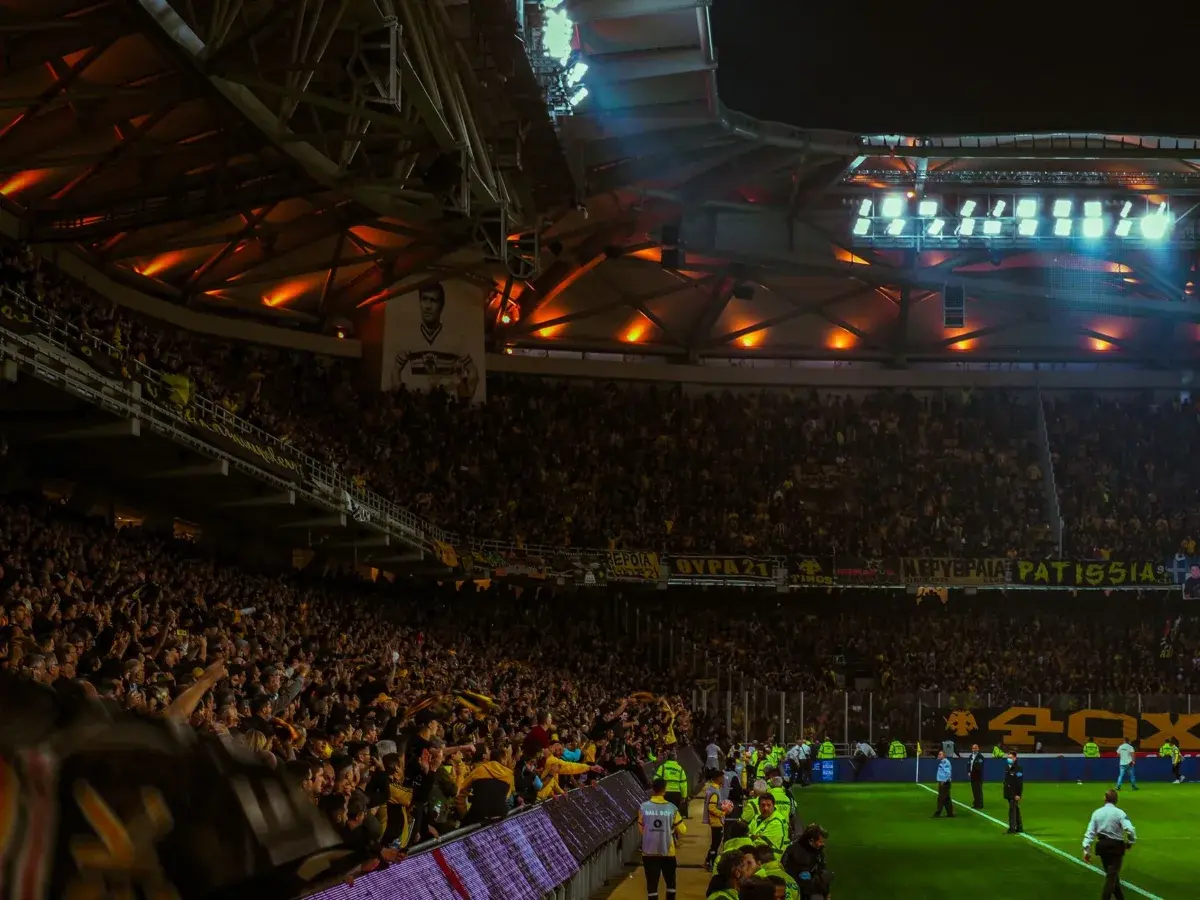
In Utica, New York, the local Bosnian community is preparing for a historic moment this Friday as the Bosnia and Herzegovina national football team takes on Canada in the World Cup. For the roughly 6,000 residents of Bosnian descent in this Rust Belt city, the match represents more than just a sporting event; it is a celebration of national pride and survival following the team’s improbable victory over Italy in a high-stakes playoff. As the city readies for the 3 p.m. kickoff, the anticipation highlights a decades-long narrative of immigration and revitalization that has fundamentally reshaped the Mohawk Valley.
The Roots of a New Community
The Bosnian presence in Utica began in the mid-1990s, following the dissolution of Yugoslavia and the ensuing conflict that displaced millions. Arriving in a city that had suffered a sharp population decline from its mid-century peak, many refugees initially found a landscape marked by industrial decay and boarded-up storefronts. Over the last thirty years, however, this population has grown to represent nearly 10 percent of the city’s total inhabitants, turning East Utica into a vibrant cultural hub.
Economic Revitalization and Cultural Integration
The integration of the Bosnian community has been credited by local officials as a key driver in Utica’s ongoing economic recovery. Former Mayor Rob Palmieri noted that the community’s entrepreneurial spirit has helped reconstruct local neighborhoods and restore a sense of vibrancy to the city’s streets. This influence is visible in local commerce, where establishments like Two Brothers Cafe & Pizzeria blend traditional American fare with Bosnian staples such as burek and cevapi, symbolizing the city’s successful evolution into a modern melting pot.
A Symbol of Identity
The cultural impact of the Bosnian community was further cemented last November with the installation of a sebilj—a traditional wooden fountain modeled after the historic architecture of Sarajevo—in East Utica. This monument serves as a permanent testament to the community’s commitment to their new home and their heritage. For residents like Hanka Grabovica, who arrived in 2001, the transformation of the city from a “war zone” of neglect to a thriving community is a source of immense pride.
Expert Perspectives on a Global Stage
The excitement surrounding the upcoming World Cup match is fueled by the team’s challenging path to qualification. Sandro Sehic, secretary of the Bosnian American Community Association of Utica, points out that the national team’s success is particularly poignant given the lingering political and social divisions still affecting their homeland. By uniting under the national flag, the team provides a rare, unifying experience for Bosnians globally, including those in major hubs like St. Louis and Utica.
Looking Ahead
As the city prepares to pause for the match, with businesses expected to see a sharp decline in productivity as residents gather at venues like the 72 Tavern & Grill, the event serves as a barometer for the community’s cohesion. Looking forward, the continued growth of immigrant populations in Utica, including the notable influx of Karen refugees, suggests that the city’s identity will remain in a state of positive flux. Observers should monitor how these diverse communities continue to influence municipal policy and local economic development in the coming decade.