


A City Transformed by Resilience
In Utica, New York, the Bosnian American community is preparing for a landmark event this Friday as Bosnia and Herzegovina faces Canada in the World Cup. This moment of international athletic pride resonates deeply within a city that has been significantly reshaped by the arrival of approximately 6,000 Bosnian refugees since the mid-1990s, who now constitute nearly 10 percent of the local population.
From Rust Belt Decline to Cultural Revival
When the first wave of refugees arrived in the 1990s following the breakup of Yugoslavia, they encountered a city struggling with a declining population and crumbling infrastructure. Many residents, such as Hanka Grabovica, who arrived in 2001, initially compared the state of the city to the war-torn regions they had fled. However, over the past three decades, this influx of immigrants has been credited with sparking a tangible economic and social revitalization in the Mohawk Valley.
Economic Impact and Community Integration
The transformation is most visible in East Utica, a neighborhood historically tied to Italian American heritage that has evolved into a vibrant hub of Bosnian culture. Former Mayor Rob Palmieri, who served from 2012 to 2024, noted that the Bosnian community played a pivotal role in reconstructing parts of the city. This revitalization is further immortalized by the recent installation of a traditional Bosnian sebilj fountain, a symbolic landmark that underscores the community’s permanent integration into the city’s identity.
Entrepreneurship and the Local Economy
Local businesses have become the primary intersection of these cultures. Current Mayor Mike Galime highlights establishments like Two Brothers Cafe & Pizzeria as symbols of this entrepreneurial spirit, where traditional Bosnian staples such as burek and cevapi are served alongside American classics. This culinary blending reflects a broader trend of immigrant-led business growth that has helped stabilize the local tax base and fill vacant storefronts that once marred the city’s landscape.
A Moment of National Pride
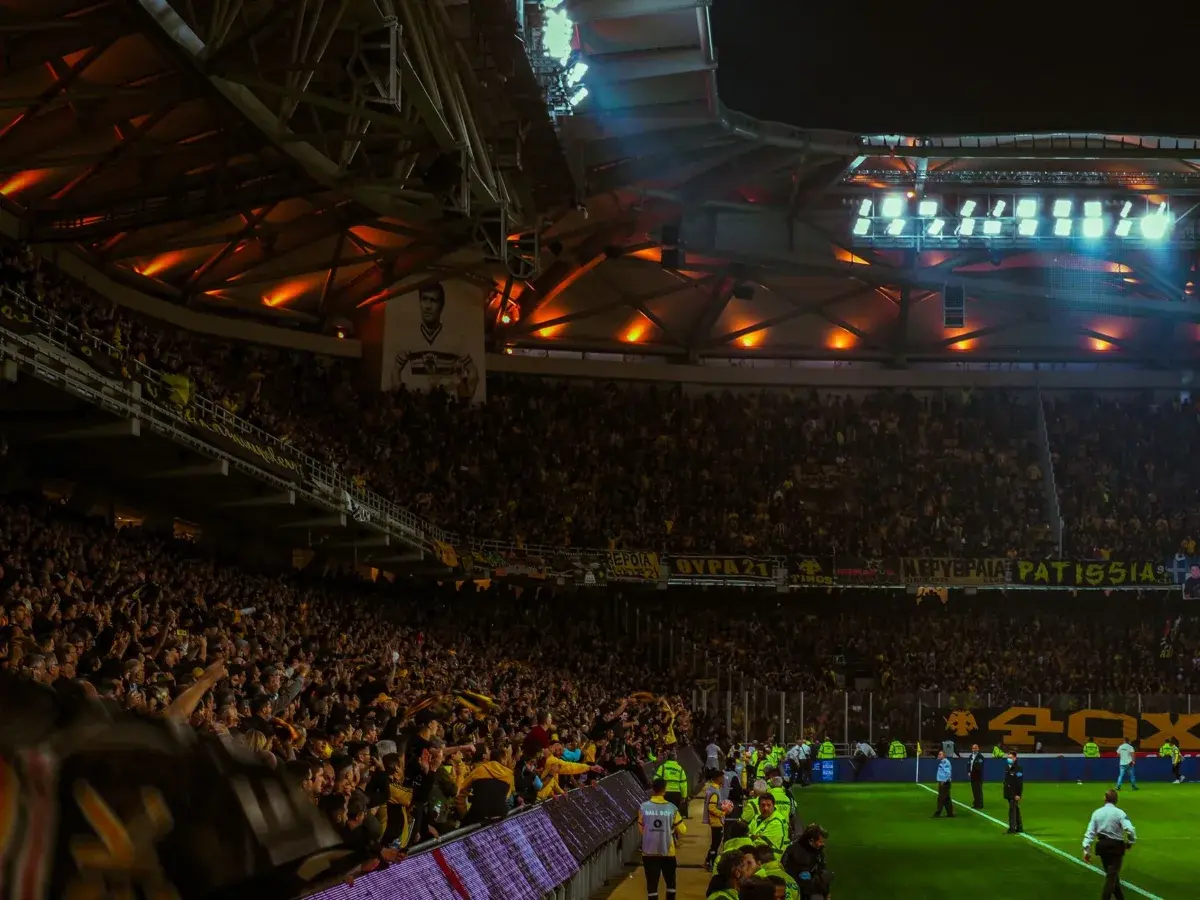
The anticipation surrounding Friday’s match is palpable, fueled by the team’s improbable qualification after a victory over four-time champion Italy. For the Bosnian diaspora, this match transcends sports, serving as a rare point of unity for a nation that remains socially and politically fractured. In Utica, the Bosnian American Community Association has organized large-scale viewing events, though city officials expect the excitement to permeate virtually every corner of the town.
Looking Toward the Future
As the city prepares for the match, the focus remains on how these cultural hubs will continue to evolve in the coming years. With other immigrant populations, such as the Karen refugees from Burma, also contributing to the city’s demographic shift, Utica serves as a case study for how refugee resettlement can serve as a catalyst for urban renewal. Observers will be watching to see if this model of integration can be sustained as the community looks toward the next generation of Bosnian Americans, who are increasingly engaging with both their heritage and their American identity.