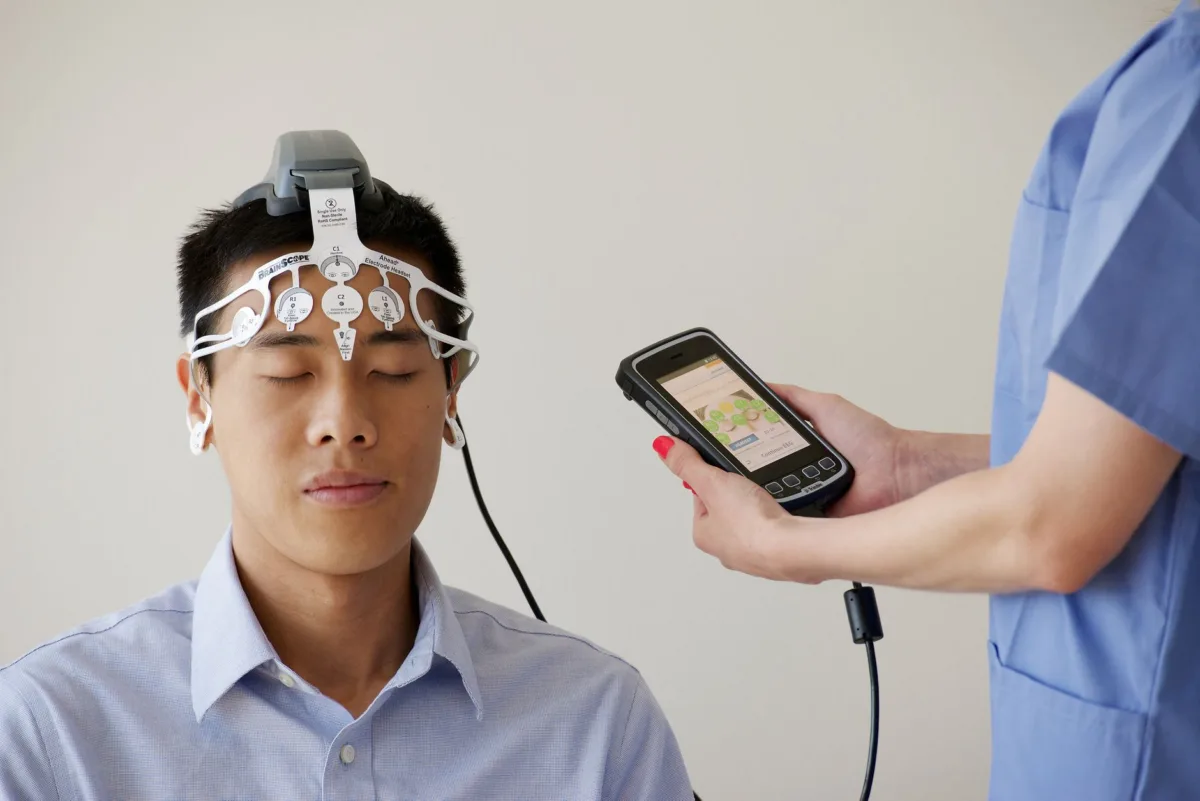







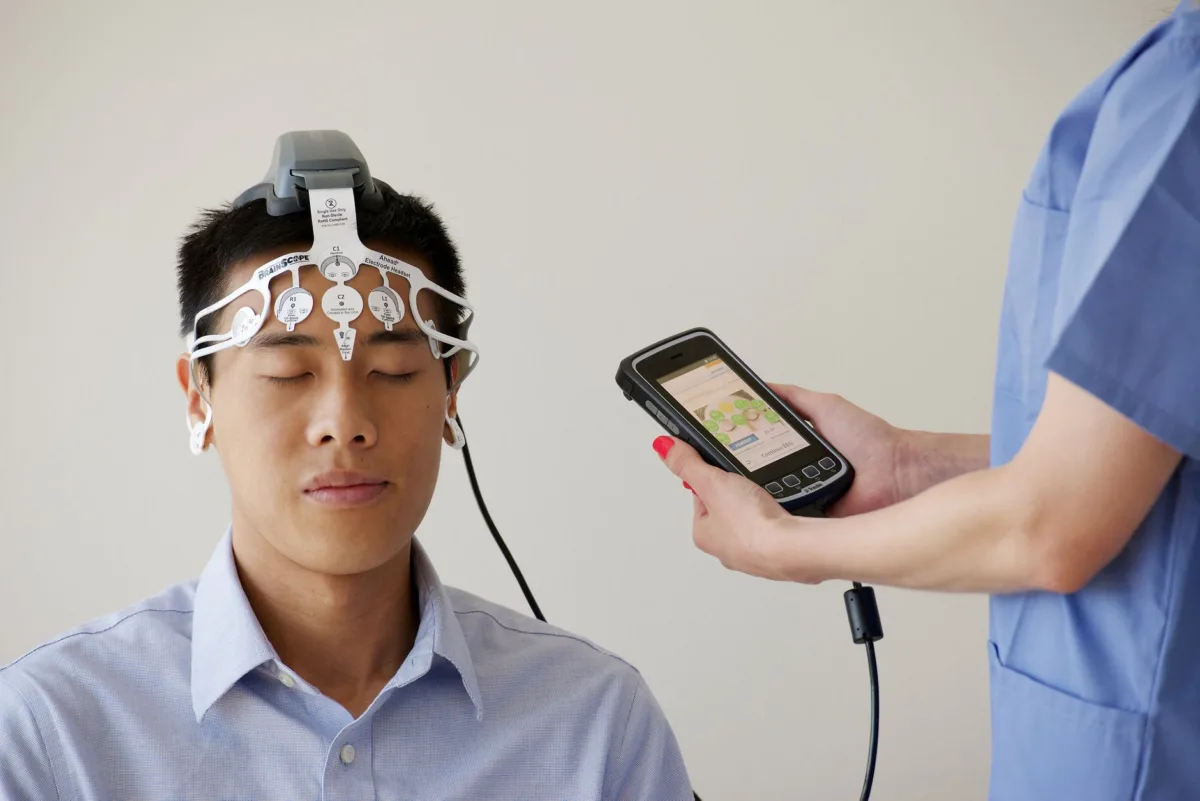
A Breakthrough in Neurological Intervention
Researchers investigating neuro-modulation techniques have identified significant efficacy in using Deep Brain Stimulation (DBS) to treat patients suffering from severe, treatment-resistant Obsessive-Compulsive Disorder (OCD). The study, which observed clinical outcomes across a multi-year period, demonstrates that targeted electrical impulses delivered to specific brain regions can substantially reduce the debilitating symptoms that often leave patients unresponsive to traditional psychotherapy or medication.
Obsessive-Compulsive Disorder is a chronic mental health condition characterized by intrusive, repetitive thoughts and compulsive behaviors. For an estimated 10% to 20% of patients diagnosed with the condition, standard evidence-based treatments—such as Selective Serotonin Reuptake Inhibitors (SSRIs) and Cognitive Behavioral Therapy (CBT)—fail to provide adequate relief.
Understanding the Mechanism of Stimulation
DBS involves the surgical implantation of electrodes into specific areas of the brain, connected to a pulse generator placed beneath the skin, typically near the collarbone. By delivering regulated electrical currents, the device modulates abnormal neural activity associated with the obsessive loops inherent in OCD.
Recent clinical findings highlight that this intervention functions as a “pacemaker for the brain,” effectively resetting the circuitries that govern reward processing and behavioral control. Unlike earlier iterations of psychosurgery, DBS is reversible and adjustable, allowing clinicians to fine-tune the stimulation parameters based on individual patient feedback.
Clinical Perspectives and Data
Data from the latest research indicates that a majority of participants reported a marked decrease in the severity of their symptoms within six months of device activation. According to clinical metrics, patients experienced a significant reduction in time spent on compulsive rituals and a corresponding improvement in overall functional capacity.
“The ability to target the specific neural circuitry responsible for compulsive behaviors represents a paradigm shift in psychiatry,” noted one lead researcher associated with the study. While the procedure is considered invasive, the risk-to-benefit ratio for those with severe, life-altering symptoms is increasingly viewed as favorable by the medical community.
Implications for Future Mental Healthcare
The successful application of DBS suggests a broader movement toward precision medicine in psychiatry, where treatments are tailored to the physical biological markers of mental illness. For the medical industry, this signals an urgent need for standardized protocols and improved access to neurosurgical interventions for psychiatric conditions.
Patients and providers should monitor upcoming longitudinal studies that aim to determine the long-term durability of these results and the potential for expanding DBS applications to other treatment-resistant disorders. As the technology evolves, the integration of real-time data tracking and AI-driven adjustments to stimulation intensity remains the next frontier in improving patient outcomes.