








The Global Stage Opens in Mexico
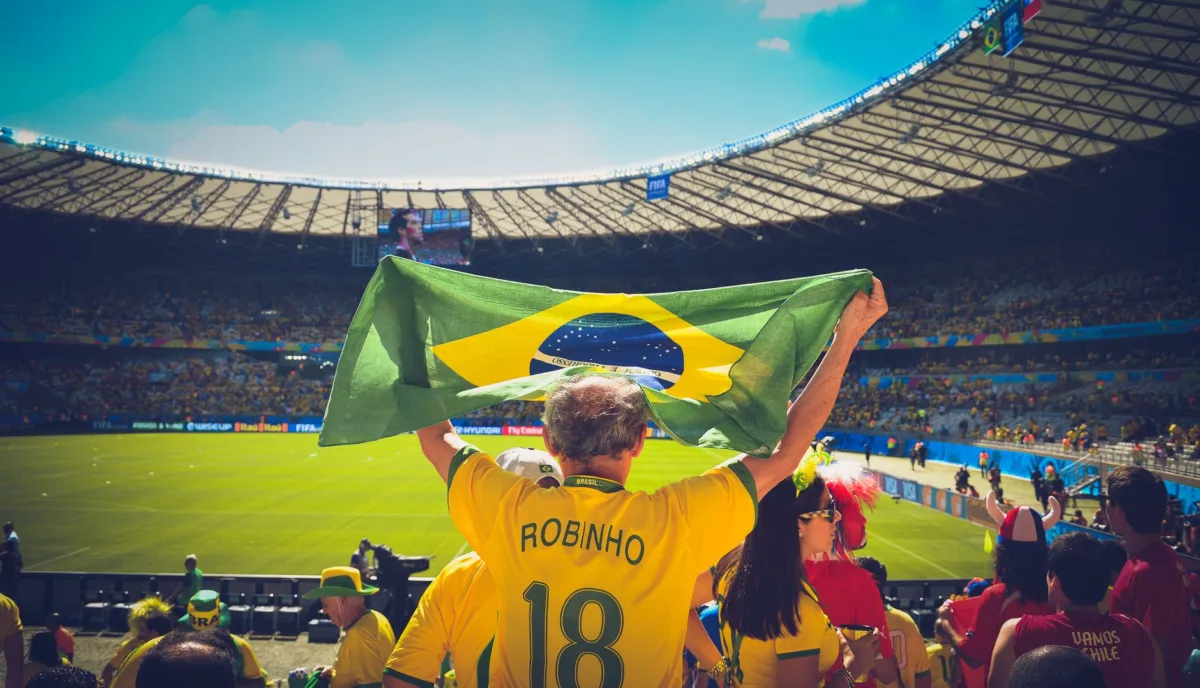
The 2026 FIFA World Cup officially commenced on June 11 in Mexico City, as a capacity crowd at the Estadio Azteca witnessed a high-energy opening ceremony featuring global music icons Shakira, J Balvin, and Belinda. The event marked the start of the first-ever three-nation tournament, co-hosted by Mexico, the United States, and Canada, signaling the beginning of a month-long celebration of international football.
A Legacy of Hosting
This tournament holds historical significance as Mexico becomes the first nation to host or co-host the World Cup for the third time, having previously held the honor in 1970 and 1986. FIFA’s decision to expand the tournament to 48 teams has necessitated a massive logistical undertaking across 16 host cities. The opening ceremony served not only as a cultural showcase but as a logistical milestone for a tournament that aims to be the most accessible in the sport’s history.
Performances and Cultural Fusion
The ceremony blended traditional Mexican heritage with contemporary global pop culture. Shakira, a veteran of World Cup performances, headlined the event, joined by Latin urban sensation J Balvin and pop star Belinda. The choreography highlighted the cultural diversity of the host nations, utilizing vibrant costumes and advanced lighting technology to transform the pitch into a stage for thousands of performers.
Expert Perspectives on Tournament Scale
Industry analysts note that the 2026 edition represents a significant shift in FIFA‘s commercial strategy. Dr. Aris Thorne, a sports economist, observed that the expansion to 48 teams increases the potential for record-breaking broadcast revenue and ticket sales. “The scale of this tournament is unprecedented, shifting the economic impact from a single host nation to a regional North American model,” Thorne stated during the opening festivities.
Societal Tensions and Security
Despite the celebratory atmosphere, the event was not without friction. Reports from the BBC and other outlets highlighted localized protests near the stadium, where activists voiced concerns regarding the tournament’s environmental impact and the allocation of public funds. Local authorities implemented a robust security detail, ensuring that the ceremony proceeded without disruption to the scheduled proceedings.
The Road Ahead
The immediate focus for tournament organizers now shifts to the sustainability of the infrastructure across the 16 host cities. With the tournament moving between three countries, travel logistics and cross-border fan movement remain the primary variables for success. Observers will be watching how the host nations manage the intense travel demands placed on both teams and supporters over the coming weeks.