









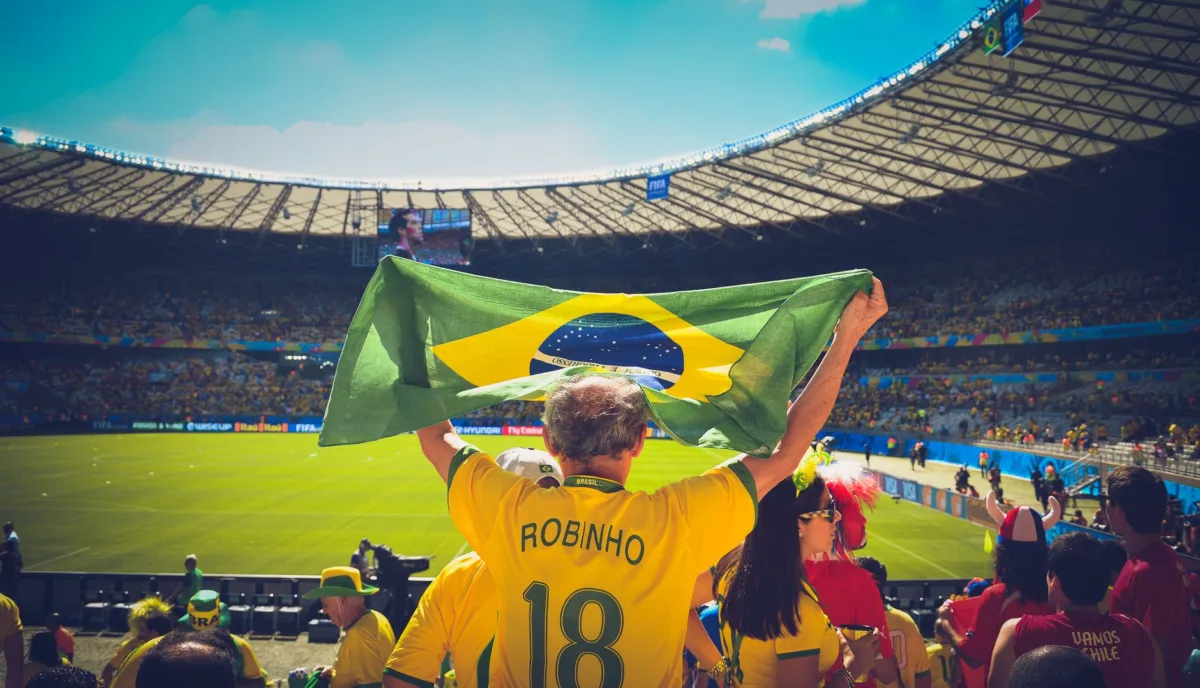
A Global Stage in the Heart of Mexico
Mexico City officially inaugurated the 2026 FIFA World Cup on Thursday, transforming the iconic Estadio Azteca into a vibrant epicenter of global sports culture. The opening ceremony featured high-profile performances from international music icons Shakira and Burna Boy, setting the tone for a tournament that spans three host nations. While the festivities celebrated the spirit of international unity, the event also drew attention to local social tensions as demonstrators gathered outside the stadium to voice concerns regarding domestic policy.
The Context of a Tri-Nation Tournament
The 2026 World Cup marks a historic milestone as the first time the tournament is hosted across three countries: Mexico, the United States, and Canada. FIFA expanded the competition to 48 teams, necessitating a massive logistical undertaking across 16 host cities. Mexico City’s selection for the opener honors its rich football heritage, as the Estadio Azteca becomes the first venue in history to host opening matches in three separate World Cup tournaments (1970, 1986, and 2026).
Spectacle Meets Social Realities
Inside the stadium, the atmosphere remained electric as tens of thousands of fans cheered for the Mexican national team, known as El Tri. The production highlighted Mexican cultural identity, blending traditional dance with modern stadium technology to create a visual display of national pride. However, the scene outside the arena provided a stark contrast to the celebratory mood within.
Reports from major news outlets, including the BBC, confirmed that protesters utilized the global spotlight to draw attention to ongoing socioeconomic grievances. The presence of these demonstrations underscores the complex intersection of major sporting events and local political climates. Despite the external friction, the match proceeded as planned, with El Tri securing a morale-boosting victory that electrified the home crowd.
Industry and Economic Implications
For FIFA, the successful execution of the opening ceremony is critical to maintaining momentum for the expanded 48-team format. Industry analysts suggest that the tournament will generate record-breaking revenue from broadcast rights and commercial sponsorships. However, the logistical burden on host cities remains a primary concern for organizers and local governments alike.
Tourism boards in Mexico expect a significant influx of international visitors, projecting that the World Cup will provide a substantial boost to the hospitality and service sectors. Small businesses in Mexico City are already reporting increased demand, though experts warn that the true economic legacy depends on sustainable post-tournament infrastructure utilization. The challenge for organizers will be balancing the massive influx of capital with the need to minimize disruption for local residents.
Looking Ahead to the Knockout Stages
As the tournament progresses, observers are tracking how security protocols and transit infrastructure handle the high volume of international travelers. The successful debut in Mexico City sets a high bar for the remaining host cities in Canada and the United States. FIFA officials are now shifting their focus toward maintaining venue integrity and operational efficiency as the group stages transition into the high-stakes knockout rounds. Stakeholders will be watching closely to see if the collaborative efforts between the three host nations continue to run smoothly throughout the month-long competition.