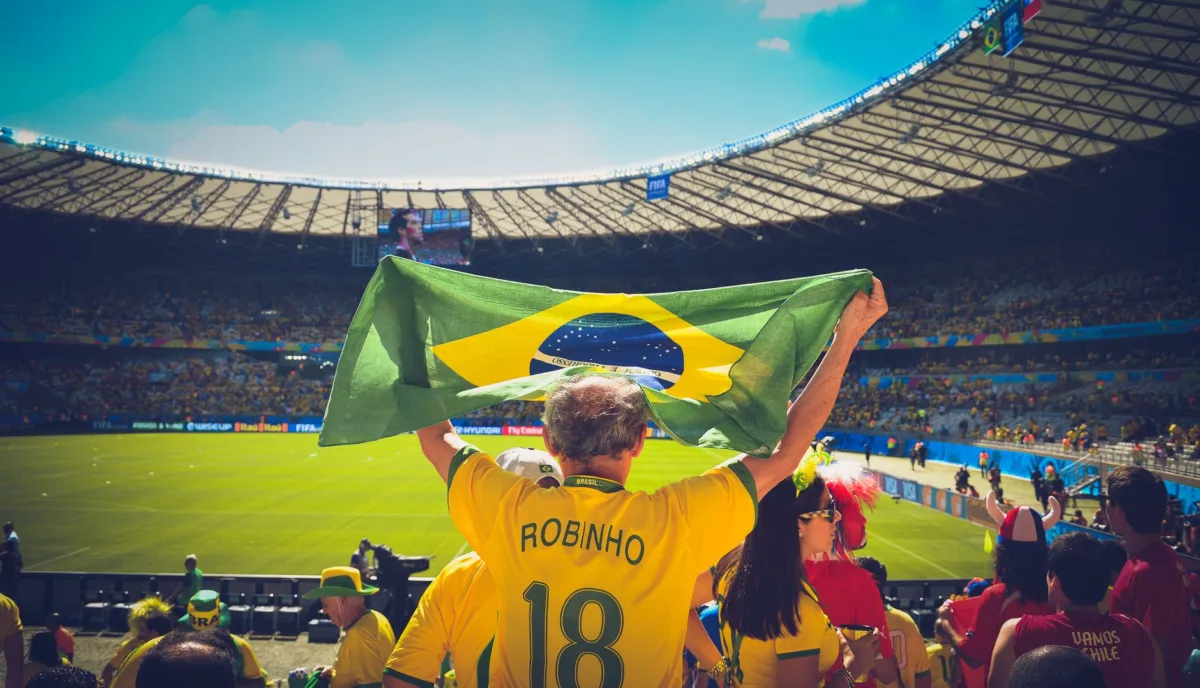










The 2026 FIFA World Cup officially commenced on June 11 in Mexico City, as a capacity crowd at the Estadio Azteca witnessed a vibrant opening ceremony headlined by international music icons Shakira, J Balvin, and Belinda. The event marked the beginning of a historic tournament hosted jointly by Mexico, the United States, and Canada, signaling the start of the first-ever 48-team World Cup format.
A Historic Expansion and Global Stage
This year’s tournament represents a significant shift in FIFA’s operational strategy, expanding from 32 to 48 teams. The opening ceremony served as a cultural bridge, showcasing the rich heritage of the host nation while emphasizing the global unity that the sport aims to foster.
While the festivities celebrated the spirit of international football, the event also drew attention to the complexities of hosting such a massive spectacle. Reports from the BBC and other international outlets noted that the celebration took place alongside localized protests near the stadium, highlighting the social and economic tensions that often accompany large-scale global sporting events.
Stellar Performances and Cultural Fusion
The ceremony moved away from traditional pageantry, opting for a high-energy fusion of Latin pop and global rhythms. Shakira, a veteran of past World Cup stages, anchored the performance with a set that energized the 80,000-plus fans in attendance. J Balvin and Belinda provided further stylistic variety, underscoring the tournament’s commitment to reflecting modern musical trends.
Beyond the music, the visual production utilized advanced projection technology to map the stadium floor with imagery reflecting the three host nations. The choreography involved thousands of local performers, emphasizing the collaborative effort required to stage the largest tournament in FIFA history.
Expert Perspectives on the 2026 Format
Industry analysts have pointed to the 2026 World Cup as a potential turning point for the commercial viability of the sport in North America. With more matches than ever before, FIFA expects record-breaking broadcast revenue and ticket sales.
However, sports economists caution that the logistical burden of coordinating matches across three countries remains a significant challenge. The expansion to 48 teams requires increased travel for players and fans, creating new variables in team performance and tournament fatigue that have not been present in previous iterations of the competition.
Implications for the Future of Football
The success of the opening ceremony in Mexico sets the tone for the month-long tournament, but the real test lies in the operational success of the expanded format. With matches scheduled across 16 cities in North America, the tournament will serve as a stress test for international travel infrastructure and security protocols.
As the tournament progresses, observers will be watching closely to see how the increased number of teams impacts the competitiveness of the group stages. If the expanded format produces high-quality matches and maintains global engagement, it could solidify the current structure for future decades of FIFA competition.