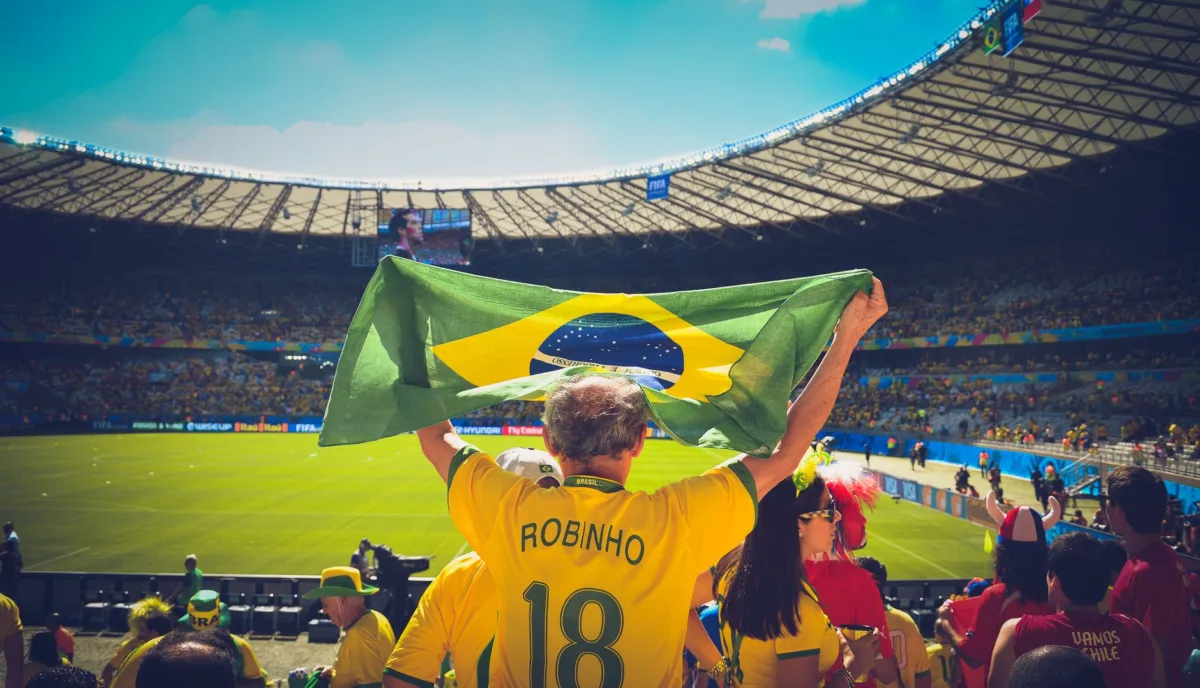










The Growing Financial Chasm in International Sports
As FIFA prepares for the 2026 World Cup, the organization has unveiled a record-breaking prize pool that underscores the massive financial disparity between football and other major international sporting events, such as the T20 Cricket World Cup. While global sports revenue continues to surge, the distribution of wealth remains starkly uneven, highlighting how broadcast rights, commercial sponsorships, and market reach dictate the economic reality for athletes and national federations across different disciplines.
Contextualizing the Economic Landscape
The FIFA World Cup remains the most lucrative single-sport tournament in the world, consistently drawing billions of viewers and generating unprecedented commercial interest. In contrast, the T20 World Cup, while experiencing rapid growth in markets like India and the United States, operates within a different economic framework that relies heavily on regional broadcast dominance. Understanding these figures requires looking at the total revenue generated by the governing bodies, where FIFA’s global reach provides a financial foundation that few other organizations can replicate.
The Mechanics of Prize Money
FIFA’s commitment to the 2026 tournament includes substantial increases in prize money, reflecting the expanded format of the competition. Reports indicate that the total payout structure not only covers the champions but also provides significant financial incentives for every participating nation, including those that exit during the group stages. These payments are often distributed to national football associations, which then reinvest the funds into grassroots programs and infrastructure.
Expert Perspectives on Revenue Distribution
Financial analysts suggest that the gap is primarily driven by the ‘global footprint’ of the sports involved. FIFA’s ability to secure multi-billion dollar deals across Europe, the Americas, and Asia creates a revenue stream that dwarf the figures currently seen in cricket. According to recent industry data, FIFA’s payments to clubs for releasing players during the World Cup also set a benchmark for how professional organizations are compensated for their contribution to the international calendar.
The Broader Implications
For the sports industry, these figures signal a shift toward greater professionalization and higher stakes for national teams. Smaller nations are increasingly viewing success in these tournaments as a vital source of funding, which in turn fuels the growth of their domestic leagues. However, the concentration of wealth in football may create a widening gap, making it difficult for less-funded sports to compete for the same level of sponsorship and media attention.
Future Trends to Monitor
As the 2026 World Cup approaches, observers should watch how these record-breaking payouts influence the investment strategies of developing nations in the sport. Furthermore, the potential for cricket to bridge this financial divide through expanded global audiences will be a key metric for sports economists over the next decade. The coming years will likely define whether these financial disparities continue to grow or if emerging sports markets can successfully challenge the dominance of the traditional football economy.