










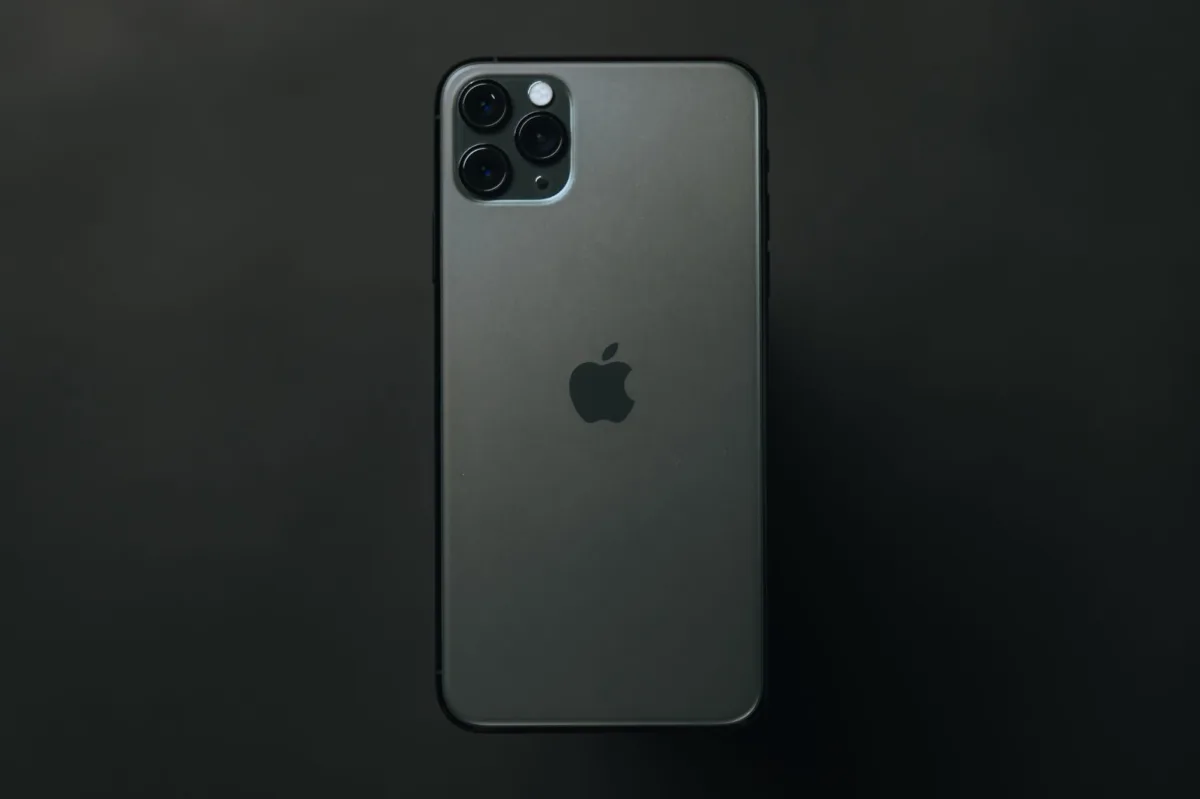
Apple is expected to unveil its next-generation flagship, the iPhone 18 Pro, in September 2026, continuing its established annual cycle of premium hardware releases. Industry reports suggest the device will launch alongside the standard iPhone 18 and 18 Pro Max, debuting with the latest iOS 27 operating system and significant advancements in artificial intelligence integration via an upgraded Siri.
The Evolution of the iPhone Ecosystem
For nearly two decades, Apple has leveraged its September event to dictate trends in the global smartphone market. The upcoming iPhone 18 series arrives as the company faces increasing pressure to differentiate its hardware through proprietary AI capabilities rather than just raw processing speed.
Reports indicate that the integration of iOS 27 is central to this strategy. By embedding advanced generative AI directly into the operating system, Apple aims to provide a more intuitive user experience that distinguishes its ecosystem from competitors reliant on third-party integrations.
Design Shifts and Aesthetic Updates
Leaked design schematics suggest that Apple will refine the build quality of the iPhone 18 Pro, potentially introducing new chassis materials to improve durability while maintaining a lightweight profile. Among the most discussed rumors is the addition of a ‘Dark Cherry’ colorway, which analysts believe could drive consumer interest during the initial launch phase.
Hardware upgrades are expected to extend beyond aesthetics. Industry sources point toward significant improvements in the camera array, focusing on sensor sensitivity and computational photography. These enhancements are designed to maintain Apple’s competitive edge in professional-grade mobile videography and low-light imaging.
Performance and Power Efficiency
Battery technology remains a critical focal point for the iPhone 18 Pro. Industry analysts expect Apple to utilize higher-density battery cells to support the increased power demands of localized AI processing. This transition is vital to ensuring that the device maintains its reputation for all-day battery life despite the heavier computational load.
According to supply chain data, the company is prioritizing thermal management systems to prevent performance throttling. This focus on internal engineering reflects a broader trend among high-end smartphone manufacturers to balance performance output with power efficiency.
Strategic Implications for the Smartphone Industry
The launch of the iPhone 18 Pro will serve as a bellwether for the mobile industry’s shift toward AI-centric hardware. As consumer upgrade cycles lengthen, Apple’s ability to offer tangible, software-driven improvements will be key to sustaining its market share in premium segments.
For the Indian market and other emerging regions, the pricing strategy for the iPhone 18 Pro will be closely watched. Analysts suggest that local manufacturing initiatives may influence the final retail price, though the high cost of components for the Pro series is expected to keep it firmly in the premium luxury bracket.
Looking ahead, observers should monitor the rollout of iOS 27’s AI features during the beta phase this summer. These software capabilities will likely define the long-term value proposition of the iPhone 18 series, signaling whether Apple can successfully transition its hardware into a more autonomous personal assistant.


