








Tensions in West Asia reached a critical breaking point today as the Iranian government officially announced the complete closure of the Strait of Hormuz to all vessel traffic. This escalation follows a series of direct U.S. military strikes conducted in the region, triggering an immediate and volatile reaction in global energy markets.
A Chokepoint of Global Energy
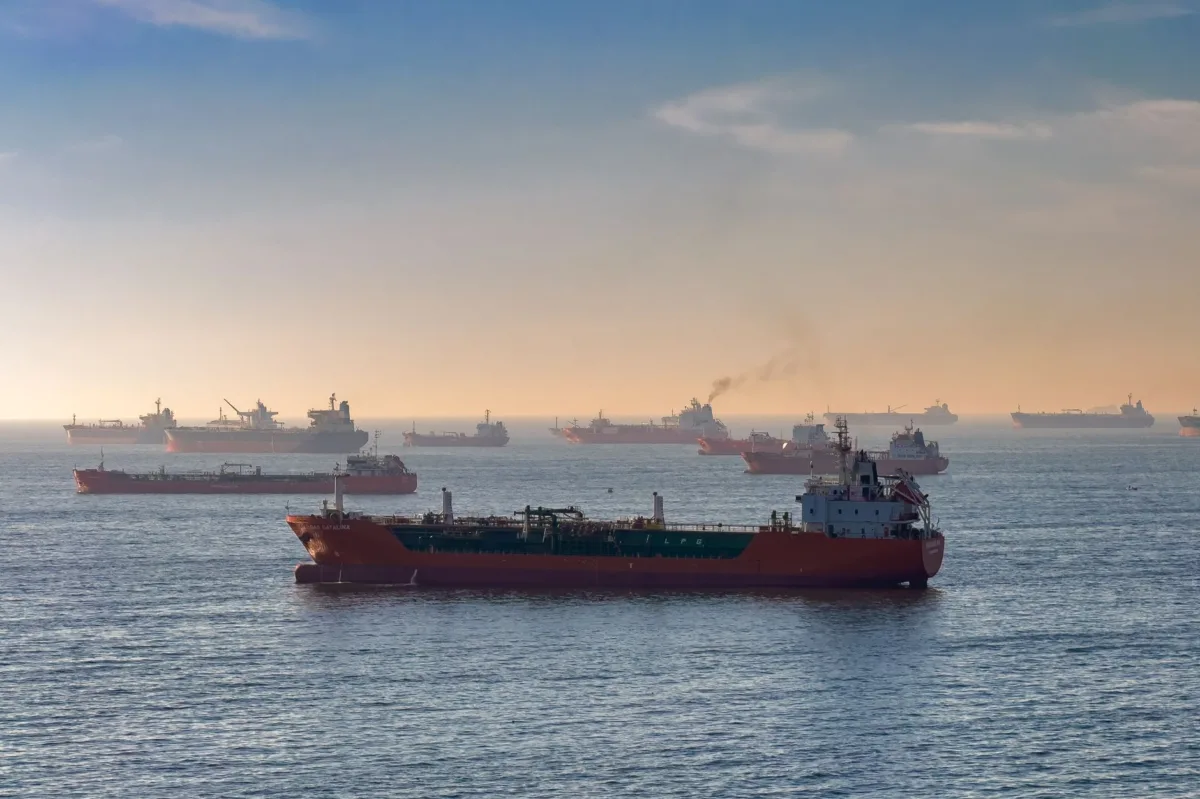
The Strait of Hormuz serves as the world’s most vital maritime oil chokepoint, facilitating the transit of approximately 21 million barrels of oil per day, according to the U.S. Energy Information Administration. Roughly one-third of the world’s liquefied natural gas and 20 percent of global oil consumption pass through this narrow waterway separating the Persian Gulf and the Gulf of Oman.
Historically, the strait has been a flashpoint for geopolitical friction, but a total closure is considered an extreme measure. Previous threats to block the passage have been interpreted as diplomatic signaling, yet the current military engagement signals a transition into a direct kinetic conflict.
Immediate Market Volatility
Global financial markets reacted sharply to the news, with crude oil prices surging by more than two percent within hours of the announcement. Commodity analysts suggest that the market is pricing in a sustained disruption, as alternative routes for oil tankers are either non-existent or logistically prohibitive.
Energy sector experts warn that the closure creates an unprecedented supply shock. If the disruption persists, the ripple effects will likely manifest in rising fuel costs and inflationary pressures across global supply chains. Insurance premiums for vessels operating in the broader region are also expected to skyrocket, effectively freezing commercial shipping even outside the immediate blockade zone.
Military Escalation and Strategic Risks
The decision to close the strait comes in the wake of renewed U.S. military strikes against targets linked to Iranian regional interests. Tehran has publicly declared that it will target any vessel attempting to navigate the strait, effectively militarizing a global commercial artery.
Defense analysts are now monitoring the potential for a wider regional conflict. The U.S. Fifth Fleet, based in Bahrain, remains on high alert, with observers questioning how the international community will respond to the restriction of international waters. The closure forces a complex strategic calculus for global powers, balancing the need to maintain maritime freedom of navigation against the risk of triggering a full-scale war.
What Lies Ahead
The primary concern for global stakeholders is the duration of the closure. If the standoff remains unresolved, the international community may face pressure to organize naval escorts for commercial vessels, significantly increasing the risk of direct naval confrontations between Western powers and Iranian forces.
Markets will be closely watching for any diplomatic backchannels or third-party mediation efforts aimed at de-escalating the situation before energy reserves are depleted. Observers should monitor upcoming statements from the UN Security Council and major oil-producing nations, as these will indicate whether the current blockade is a temporary tactical move or the beginning of a prolonged strategic siege.


